
K-Beauty and Atopic Dermatitis: An Honest Guide for Sensitive Skin
Last updated 8 July 2026
I have had atopic dermatitis, known in German as Neurodermitis, since I was a child. My décolleté, back and stomach have always been the most affected: I cannot put anything on those areas except pharmacy-grade base products. This guide is what I have learned about navigating K-Beauty with sensitive, reactive skin, backed by peer-reviewed research and years of trial and error. The short version: the barrier-first philosophy at the heart of K-Beauty is well suited to atopic skin, but the trending 10-step version is not. Fewer, simpler, fragrance-free products win every time.
What atopic dermatitis does to your skin barrier
Atopic dermatitis is not simply dry or itchy skin. It is a chronic inflammatory condition driven by immune dysregulation and a structurally compromised skin barrier. Two things happen at the molecular level that explain why people with atopic dermatitis react to ingredients others tolerate easily.
First, filaggrin. Loss-of-function mutations in the filaggrin gene (FLG) are the strongest genetic risk factor for atopic dermatitis. Filaggrin is a structural protein essential for the integrity of the stratum corneum. Without it the skin loses moisture and becomes permeable to irritants and allergens that healthy skin keeps out.
Second, ceramide deficiency. The stratum corneum of atopic skin shows significantly reduced ceramide levels, particularly ceramide subfractions NP, AP and EOP. Ceramides are the structural lipids that form the mortar between skin cells. When they are reduced, the barrier becomes porous. TNF-alpha and cytokine IL-4 actively suppress ceramide synthesis in affected skin, creating a self-reinforcing inflammatory cycle.
The elevated skin pH in atopic skin also promotes Staphylococcus aureus colonization which further worsens inflammation. Ingredients that further disrupt pH or barrier integrity have a compounding negative effect in atopic skin that they would not have in healthy skin.
Why K-Beauty trends can be risky for atopic skin
K-Beauty has a genuinely strong philosophy at its core: barrier-first hydration, gentle cleansing and minimal irritants. Korean dermatology has produced serious research on ceramides, centella asiatica, beta-glucan and other barrier-supporting actives. The underlying science is solid.
The problem is commercialization. The 10-step routine was an American marketing invention. Korean dermatologists in practice recommend far fewer products, selected specifically for each person's skin needs.
For someone with atopic dermatitis, layer after layer of essences, serums, ampoules, toners and sheet masks is exactly the approach that pushes compromised skin into overreaction. More products means more potential allergens, more barrier disruption and more cumulative irritation. The filaggrin-deficient barrier does not filter these out. It absorbs them.
This does not mean K-Beauty is wrong for atopic skin. It means the minimal targeted approach, which is how Korean dermatologists actually use it, is the one that works. Two to four well-chosen fragrance-free products, not ten.
The overconsumption problem: perioral dermatitis
Perioral dermatitis is an inflammatory condition appearing as red bumps or pink patches around the mouth, sometimes extending to the nose and eye area. It is directly linked to product overuse in people committed to their skincare routines.
I developed it. My sister developed it. Neither of us had it before we started using multiple layered K-Beauty products consistently.
Published triggers include topical steroid overuse, active skincare ingredient overuse, heavy or occlusive products and cosmeceuticals. An Australian study found that applying foundation on top of moisturizer and night cream resulted in a 13-fold increased risk for perioral dermatitis (Acevedo-Fontanez et al., JAAD 2026). Fragrances, petrolatum, paraffin bases and isopropyl myristate have all been identified as causative factors.
The most important step in treating perioral dermatitis is not adding more products. It is simplifying the routine and removing common triggers. When I was diagnosed I stopped essentially everything for several months. The only product that stayed in my routine was sunscreen, and I used ISDIN because I already knew my skin tolerated it. Starting over from almost nothing was the only way through.
If you are using multiple K-Beauty products on sensitive or atopic skin and notice small red bumps or persistent redness around your mouth, stop layering immediately and see a dermatologist. Do not try to treat perioral dermatitis with more products.
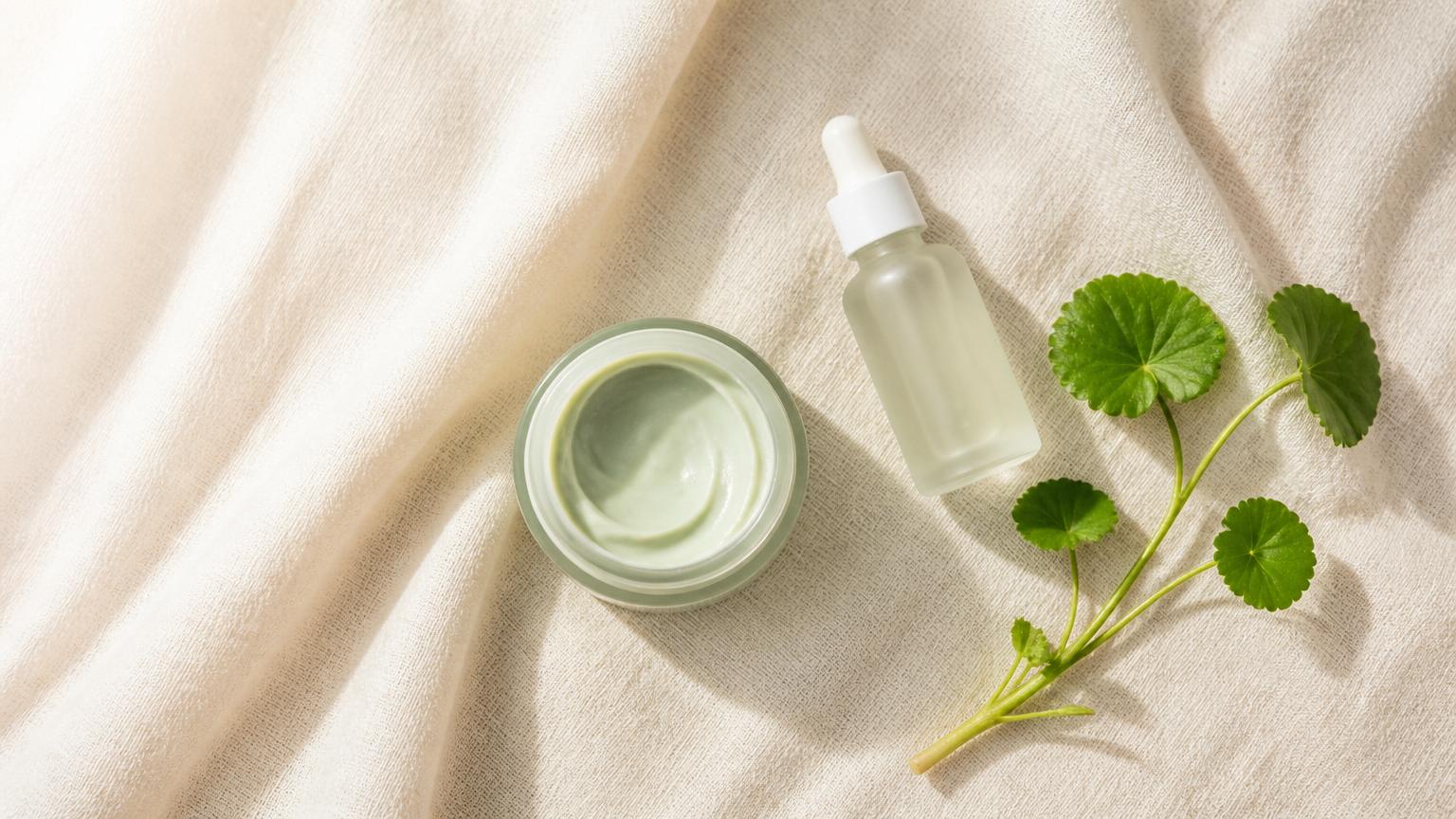
K-Beauty ingredients that work well for atopic skin
The following ingredients have both scientific backing for use on atopic or sensitive skin and a track record of working without triggering reactions. All should be in fragrance-free formulations.
| Ingredient | Why it works |
|---|---|
| Ceramides (NP, AP, EOP) | Directly replenish what atopic skin lacks. Meta-analysis (PMC10162745) confirms significant TEWL reduction and SCORAD improvement. |
| Centella Asiatica / Madecassoside | Anti-inflammatory via NF-kB inhibition. A 2020 study found madecassoside cream significantly reduced sensitivity scores after four weeks. |
| Beta-Glucan | Immunomodulatory. Calms inflammatory signaling without suppressing immune function. Well tolerated in atopic populations. |
| Panthenol (Pro-Vitamin B5) | Soothing, wound-healing, anti-inflammatory. Widely recommended by dermatologists for eczema-prone skin. |
| Allantoin | Anti-irritant and cell renewal support. Low sensitization potential even in compromised barriers. |
| Sodium Hyaluronate | Hydration without irritation. Well tolerated across all skin types including atopic. |
| Niacinamide at 2 to 4 percent | Barrier strengthening via ceramide synthesis. Anti-inflammatory. Keep to lower concentrations during active flares. |
| Glycerin | Core humectant. One of the safest and most effective ingredients for atopic skin. Works synergistically with ceramides and hyaluronic acid. |
Best-evidenced ingredients for atopic and sensitive skin.
Ingredients to approach with caution or avoid
These are not universally problematic ingredients. Several have strong evidence for healthy skin. For atopic dermatitis specifically the risk of reaction is elevated, and in several cases it is documented in published research.
| Ingredient | Why to approach carefully |
|---|---|
| Fragrance (Parfum) | The number one trigger for atopic flares per the National Eczema Association. Non-negotiable: fragrance-free only. |
| High-concentration rice extract above 20 percent | IgE-mediated rice allergy is documented in atopic dermatitis (Yokohama City University, 1,006 AD patients). Personal experience: immediate rash from a 30 percent rice formulation. |
| Essential oils | Common contact allergens even at low concentrations. Lavender, tea tree, eucalyptus and citrus oils appear in K-Beauty botanical blends and are documented flare triggers. |
| Denatured alcohol (Ethanol denat.) | Disrupts the acid mantle and strips barrier lipids. Common in lighter K-Beauty toners. |
| Formaldehyde-releasing preservatives | DMDM Hydantoin, Quaternium-15, Imidazolidinyl Urea. On the National Eczema Association Ecz-clusion list. |
| High-dose vitamin C above 10 percent | Requires low pH to work, which irritates a compromised barrier. Ascorbyl glucoside is gentler but less potent. |
| AHAs and BHAs at meaningful concentrations | Glycolic, lactic and salicylic acid disrupt barrier function. Only during stable periods, always with prior hand testing. |
| Dense botanical extract blends | Ginseng, mugwort and propolis are frequent triggers in atopic-sensitive individuals. Multiple plant extracts multiply the potential allergens. |
Why snail mucin is the exception
Snail mucin is the one K-Beauty ingredient I have been able to use without any problem on any part of my body at any time, including during periods when my dermatitis is active. Given everything above about my reactivity, that is not a small thing.
The research offers a plausible explanation. Snail secretion filtrate contains glycoproteins, allantoin, glycosaminoglycans and antimicrobial peptides. A 2010 study found snail mucin filtrate helped restore the skin barrier in subjects with eczema specifically. The antimicrobial properties matter because Staphylococcus aureus colonization worsens atopic flares and snail mucin has documented activity against S. aureus in vitro. The anti-inflammatory compounds address the same pathways dysregulated in atopic dermatitis.
One important nuance: snail mucin contains antigens that cross-react with house dust mite allergens. Between 5 and 30 percent of the global population is allergic to house dust mites, and this is a particularly common allergen in atopic dermatitis. If you are strongly dust mite-sensitive, discuss snail mucin with your dermatologist before using it.
The formulation also matters. Snail mucin in a fragrance-free minimal-ingredient product is very different from snail mucin in a product also containing essential oils, botanical blends and parfum. The ingredient alone is not the whole answer.
How to test products safely with atopic skin
My dermatologist's protocol has stayed consistent for years and I have not found anything better. Test everything on your hands first. Not your forearm. Not your neck. Your hands. Leave it for at least three to five days. If a reaction is going to happen it will show there.
Apply the product to the back of one hand only once daily for 3 to 5 days. Compare daily with the untreated hand. Any redness, itching, dryness or texture change is a signal to stop. No reaction after 5 days means the product is reasonably safe to try on the face starting with a small area.
Do not test on armpits, décolleté or other frequently affected body areas. These zones are more reactive and a reaction there is harder to manage than one on the hand.
Introduce one new product at a time with at least a week between additions. If you add multiple products simultaneously and react you will not know which one caused the problem.
Sheet masks deserve a specific mention. They involve 15 to 20 minutes of prolonged contact between skin and product. For atopic skin this extended contact time significantly raises the risk of reaction compared to a product absorbed in seconds. If you want to use sheet masks, hand-test the product first and choose only fragrance-free minimal-formula options.
My minimal atopic-safe K-Beauty routine
Minimal means the smallest number of products that gives your skin what it actually needs without overwhelming a barrier that is already compromised. When my skin is healthy and stable I do use a fuller routine. Every product has been hand-tested first, introduced one at a time and earned its place through weeks of observation.
Morning: a rinse with water or a very gentle low-pH cleanser with no surfactants and no fragrance. A ceramide-based moisturizer or a snail mucin essence if tolerated. Sunscreen as the final step. Skip actives in the morning entirely during any active or uncertain period.
Evening: gentle cleanse. One targeted active on stable skin nights: niacinamide 2 to 4 percent, a centella-based serum or snail mucin. Ceramide moisturizer. If skin shows any signs of stress skip the active and use the moisturizer only.
Before introducing anything new ask: is my skin currently stable? No itching, no unusual redness, no flaking? If yes you can test something new. If no, wait. Adding new products during a flare almost always makes things worse.
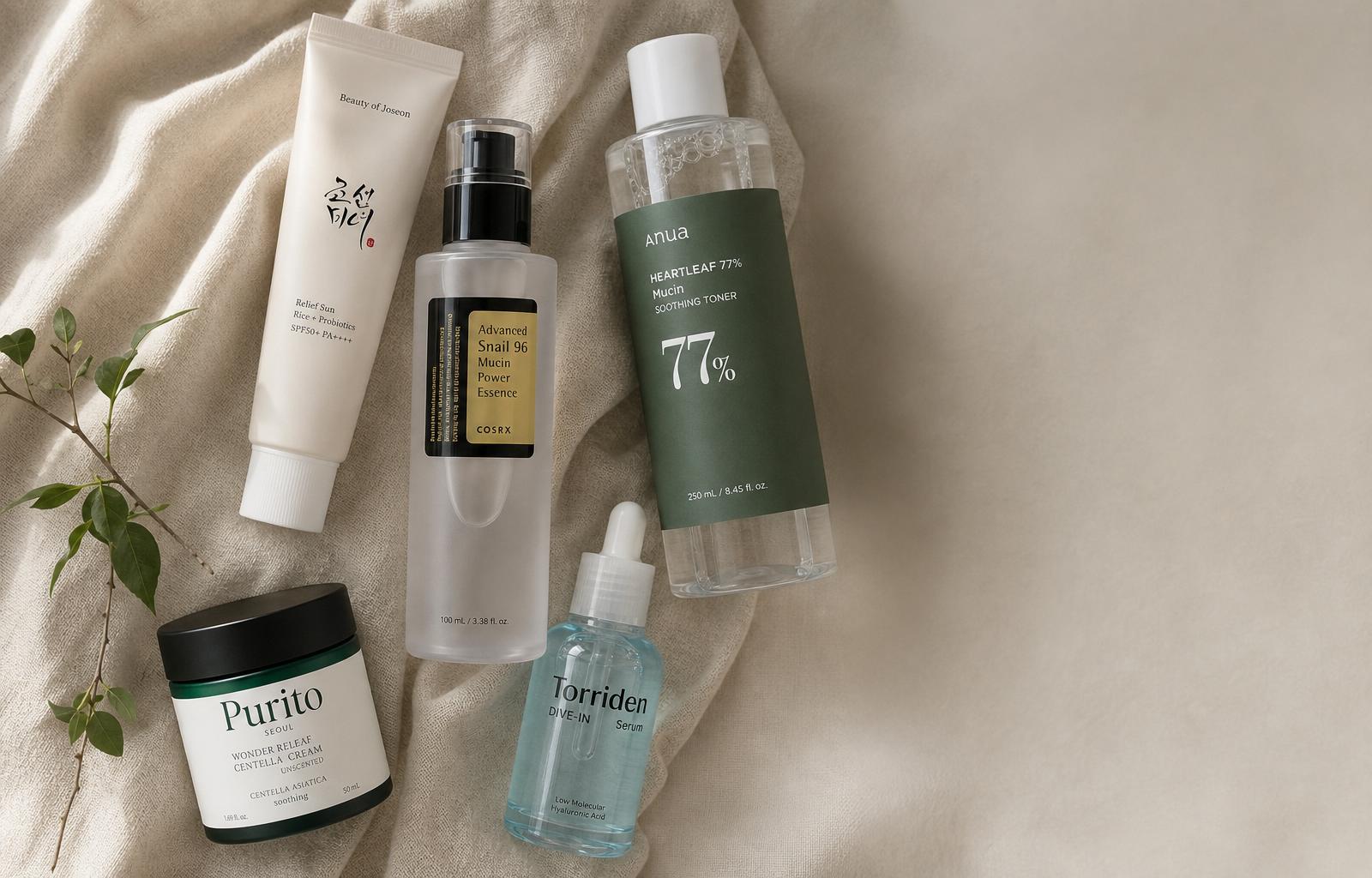
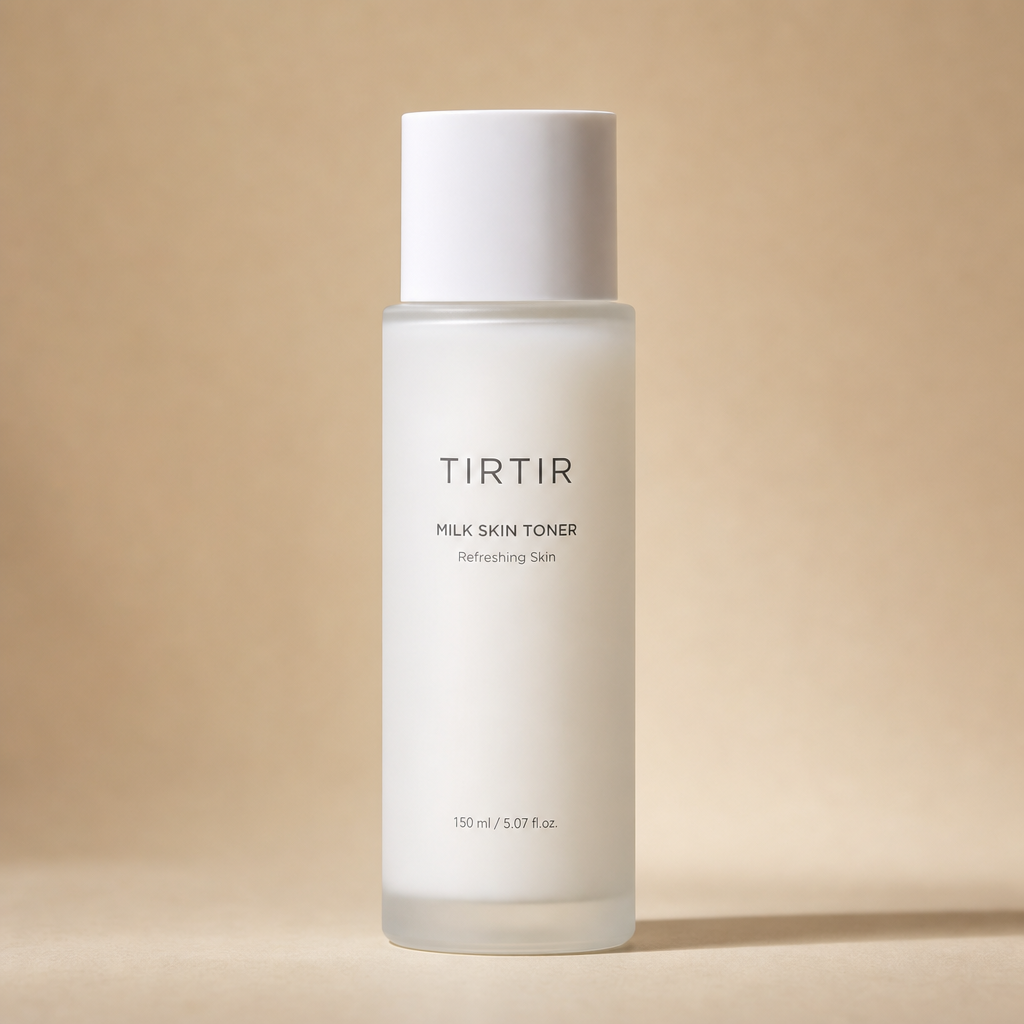
What I currently use when my skin is well. Cleansing: Anua Heartleaf Pore Control Cleansing Oil. Oil cleansing works well for my skin as a first cleanse and the heartleaf extract is gentle and anti-inflammatory. Toner: TIRTIR Milk Skin Toner, niacinamide at 2 percent with a long list of barrier-supporting actives. Serum: COSRX Advanced Snail 96 Mucin Power Essence, the one K-Beauty product I can use anywhere on my body at any time. Niacinamide treatment: COSRX The Niacinamide 15 Face Serum, used carefully and introduced slowly. Moisturizer: Medeca Cica Cream, centella-based, fragrance-free, well suited to sensitive skin. Eye care: COSRX Snail Mucin Peptide Eye Cream. Sunscreen: ISDIN, not K-Beauty but the product I returned to after perioral dermatitis because I needed one I already knew was completely safe.
I avoid fragrance, high rice concentrations and heavy botanical ampoules without exception. Everything in this routine got there through the hand test first. Nothing was assumed safe based on general reputation alone.
If you develop perioral dermatitis, stop all products immediately except sunscreen and your most basic moisturizer. Do not try to calm it with more skincare. See a dermatologist. The instinct to add soothing products makes it worse. Treatment is subtraction, not addition. This is a medical condition, not a skincare problem you can solve with better products.
Peer-reviewed sources
1. The Efficacy of Moisturisers Containing Ceramide for Atopic Dermatitis: Systematic Review and Meta-Analysis. PMC10162745.
2. Atopic Dermatitis and the Stratum Corneum: The Role of Filaggrin in Barrier Function. PMC3805301.
3. Skin Barrier Dysfunction in Chronic Dermatoses. PMC12304493.
4. A probable involvement of rice allergy in severe type of atopic dermatitis in Japan. Yokohama City University. PubMed PMID 1476019.
5. Acevedo-Fontanez LA et al. Periorificial dermatitis: Pathophysiology, diagnosis, and management. Journal of the American Academy of Dermatology, May 2026.
6. Snail mucin for eczema: 2010 barrier restoration study and 2019 moisturizing study. Medical News Today.
7. Snail mucin antigens and cross-reactivity with house dust mite allergens. Meta Dermatology.
8. National Eczema Association. Ecz-clusion list of ingredients to avoid in atopic dermatitis.
9. Perioral Dermatitis: Triggers and Treatments. ERLY Dermatology 2026.
10. Korean Skincare for Eczema: K-Beauty ingredient evidence for atopic skin. Knok Global 2026.
This guide is written from personal experience and peer-reviewed research. It is not medical advice. Always consult a dermatologist for your individual situation.
Products that fit an atopic-friendly routine
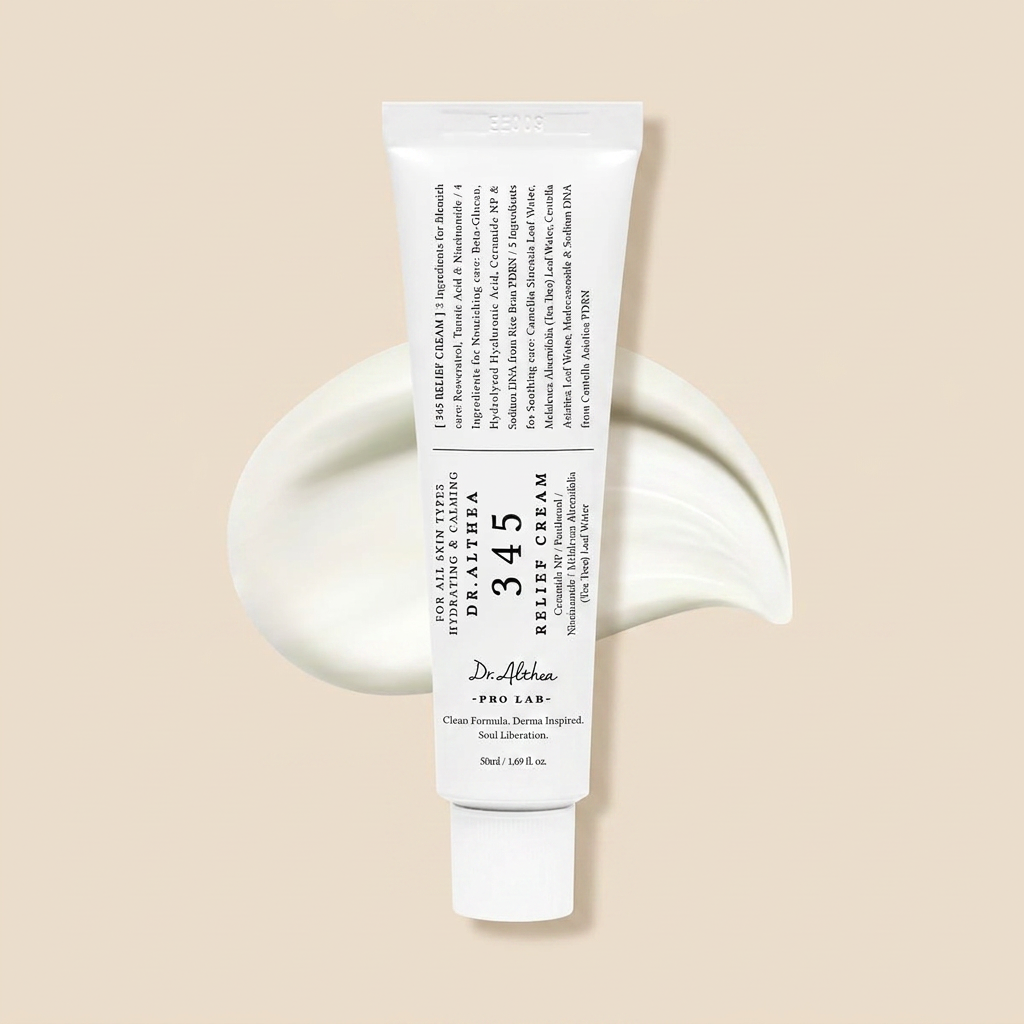
Dr. Althea 345 Relief Cream focuses on barrier repair with ceramides, panthenol and madecassoside, formatted for reactive, easily-irritated skin.
Purito Wonder Releaf Centella Serum Unscented is a truly fragrance-free calming serum you can layer daily without triggering flares.
Reader favorites
The products from this guide our readers click most.
Swipe for more →
Reader favorite
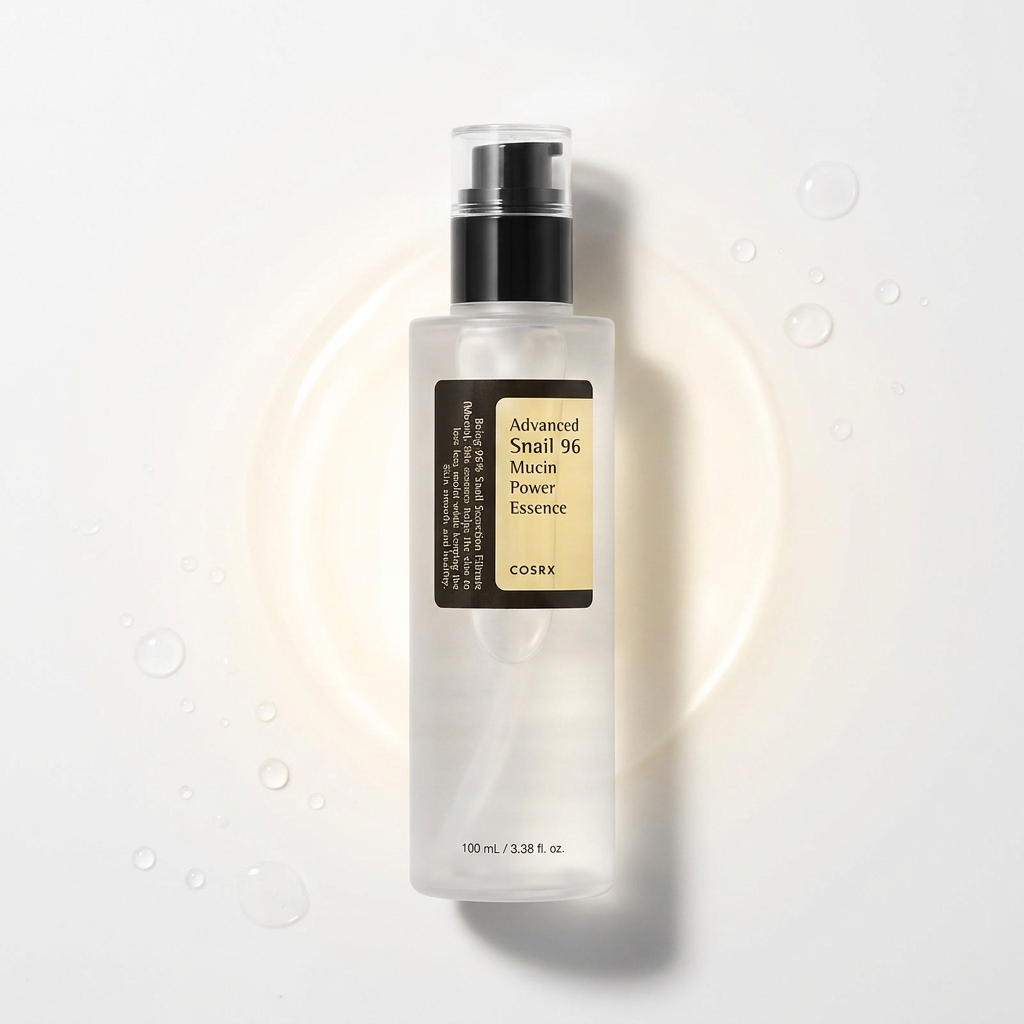
COSRX Advanced Snail 96 Mucin Power Essence
The viral 96% snail mucin essence. Fades post-acne marks, hydrates, and supports barrier repair. Arguably the most-reviewed K-beauty product on Amazon.
Reader favorite
Dr Althea 345 Relief Cream
Barrier repair cream with centella complex, calming and richly hydrating.
Reader favorite
TIRTIR TIRTIR Milk Skin Toner
A milky, hydrating Korean toner with niacinamide, rice bran, and peptides to soften and brighten skin.
Frequently asked
Products in this guide
Prices, ratings and short verdicts from our database, linked to the full product page.
COSRX
Advanced Snail 96 Mucin Power Essence
from €22.00
The viral 96% snail mucin essence. Fades post-acne marks, hydrates, and supports barrier repair. Arguably the most-reviewed K-beauty product on Amazon.
Dr Althea
345 Relief Cream
from €30.00
Barrier repair cream with centella complex, calming and richly hydrating.
TIRTIR
TIRTIR Milk Skin Toner
from €25.00
A milky, hydrating Korean toner with niacinamide, rice bran, and peptides to soften and brighten skin.
Keep reading
- Ingredient science: Snail Mucin
- Ingredient science: Centella Asiatica (Cica)
- Ingredient science: Niacinamide
- Ingredient science: Beta-Glucan
- Ingredient science: Rice Extract
- Korean skincare for sensitive skin
- Korean skincare for redness
- COSRX Advanced Snail 96 Mucin Power Essence review
- Build my routine
- Check ingredient conflicts
Tool
Build your routine
Pick skin type, concern and budget. Get a step-by-step routine with real products.
Tool
Check ingredient conflicts
Safe to combine, separate AM/PM, or skip. Clear verdicts for any two ingredients.