
Korean Skincare for Redness: Calm Reactive Skin in 4 Weeks
Last updated 8 July 2026
Korean skincare is famous for its centella asiatica (Cica) products for a reason. Korean derms have been treating barrier-stressed, easily flushed skin with the same ingredient family for decades. If your face goes red in heat, after a glass of wine, or for no reason at all, this is the routine that calms it.
The anti-redness 5-step routine
1. Lukewarm cream cleanser. No foam, no scrub, no hot water.
2. Soothing centella toner. Look for centella asiatica extract, madecassoside, or asiaticoside in the top 5 ingredients.
3. Cica or madecassoside ampoule. The active. Apply morning and night.
4. Ceramide moisturiser. A thicker layer than you think you need.
5. Mineral or hybrid SPF 50 in the morning. Zinc oxide is least likely to flush.
The actives that genuinely calm redness
Madecassoside: the most studied component of centella, reduces redness and supports barrier repair.
Panthenol (provitamin B5): instant calming and long-term barrier support.
Heartleaf (Houttuynia cordata): the trendy Korean alternative to centella, also strong anti-inflammatory.
Beta-glucan: reduces visible flushing within hours of application.
Tranexamic acid in low doses: helps with post-inflammatory redness from old breakouts.
What to drop while you reset
Physical scrubs. They cause micro-tears that worsen flushing.
Strong retinol. Reintroduce only after 4 to 6 weeks of barrier calm.
Vitamin C at 15% or higher. Drop to 5 to 10% derivatives like sodium ascorbyl phosphate.
Fragranced products. Essential oils are the most common hidden irritant in K-Beauty.
The 4-week reset plan
Week 1: just the 5 steps above. Nothing else.
Week 2: continue. Your redness should be visibly less by day 10.
Week 3: add a hydrating sheet mask twice a week.
Week 4: reintroduce one targeted active at a time, two nights apart, watching for reactions.
Beyond Cica: Korea's Other Soothing Stars
While Centella Asiatica is the hero, Korean formulas are rich with other botanicals proven to calm skin. Look for Artemisia, also known as Mugwort, a traditional herb prized for its anti-inflammatory properties. It helps reduce visible redness and soothe the hot, uncomfortable feeling that often comes with irritation. Products like the I'm From Mugwort Essence are excellent examples of single-ingredient formulas that deliver potent results.
Another key ingredient is Houttuynia Cordata, or Heartleaf, which is particularly good for red and acne-prone skin. It contains flavonoids that provide antioxidant and anti-inflammatory benefits, helping to cool and clarify the complexion. You will often find it in lightweight toners and serums, such as the Anua Heartleaf 77% Soothing Toner, designed to hydrate without clogging pores.
Do not overlook the power of mushrooms and fermented ingredients. Beta-glucan, a polysaccharide derived from oats, yeast, or mushrooms, is a phenomenal hydrator and skin soother. It is even more effective at binding moisture than hyaluronic acid, helping to repair a compromised skin barrier from within. It reduces the look of redness by deeply hydrating and protecting the skin.
Gentle Application: How You Apply Matters
How you touch your face can be as important as the products you choose. For skin prone to redness, minimise friction at all costs. Always pat products into the skin using your fingertips or palms rather than rubbing them in. This gentle pressing motion enhances absorption without stimulating extra blood flow or causing mechanical irritation.
Pay attention to temperature during your routine. Cleanse with lukewarm water, never hot, as high heat dilates capillaries and can worsen persistent redness. After cleansing, gently press your face dry with a soft microfibre towel. An even better option is to let your skin air dry until it is just damp, then apply your first hydrating toner to lock in moisture.
You can adapt the famous '7 Skin Method' for reactive skin. We recommend a gentler '3 Skin Method' using a calming, alcohol-free toner. You simply pat in a light layer, wait 30 seconds for it to sink in, and repeat the process two more times. This builds up deep, lasting hydration that strengthens the skin barrier without the risk of over-saturation or irritation.
Where to Invest in Your Anti-Redness Routine
When building a routine on a budget, it helps to know where your money makes the most impact. You can afford to save on your cleanser. Its main job is to clean your skin without stripping it, and many affordable gel or milk cleansers from brands like COSRX or Round Lab do this beautifully. A cleanser stays on your skin for less than a minute, so its soothing benefits are limited.
Your treatment step is where you should invest. This means prioritising serums and ampoules with high concentrations of calming actives like Centella, Artemisia, or Beta-glucan. These formulas are designed to penetrate deeply and deliver a potent dose of their key ingredients. A well-formulated serum like the Skin1004 Madagascar Centella Ampoule is worth the price because it works on repairing the source of redness over time.
For moisturisers, your choice depends on your skin type. If you have oily, red skin, a mid-range gel cream may be all you need. If your skin is dry and reactive, investing in a richer barrier cream with ceramides can be a very smart move, as it will seal in your serum and provide lasting protection against environmental triggers.
| Product Category | Save or Splurge? | KABEAU's Reasoning |
|---|---|---|
| Oil & Foam Cleansers | Save | On the skin for less than a minute. Focus on finding a gentle, low-pH formula. |
| Hydrating Toners | Save | Many affordable options effectively provide a base layer of hydration. Look for simple, fragrance-free formulas. |
| Serums & Ampoules | Splurge | This is your main treatment. Invest here for high concentrations of calming actives that create long-term change. |
| Moisturisers | Depends | Invest in a ceramide-rich cream for dry skin. Save with a simple gel-cream for oily skin. |
| Sunscreen | Splurge | UV exposure is a major redness trigger. A cosmetically elegant mineral sunscreen you will wear daily is a non-negotiable investment. |
Integrating Actives: Anti-Ageing Without the Flare-Up
Many people with redness are hesitant to use potent anti-ageing actives like Vitamin C or retinoids. You can successfully incorporate them by using a 'sandwich' method and focusing on supporting your skin barrier. For a retinoid, try applying a layer of simple moisturiser first, then the retinoid, and then another layer of moisturiser on top. This buffers the active and reduces potential irritation.
Timing and frequency are also critical. Use your calming, hydrating products every morning and reserve your active ingredients for your nighttime routine. Start by using your chosen active just one or two nights a week, with 'rest days' in between focused solely on barrier repair. This gives your skin time to adapt and minimises the chance of a reaction.
Alternatively, explore gentler active ingredients. Bakuchiol is a plant-derived ingredient that offers benefits similar to retinol with a much lower risk of irritation and redness. For Vitamin C, choose a derivative like Sodium Ascorbyl Phosphate, which is more stable and less acidic than pure L-Ascorbic Acid, making it a safer bet for sensitive, reactive skin.
Products that help calm redness
Purito Wonder Releaf Centella Serum Unscented is a go-to calming serum with madecassoside and centella extracts, no fragrance or essential oils.
Dr. Althea 345 Relief Cream seals it in with ceramides, panthenol and centella, reinforcing the barrier so redness returns less often.
Reader favorites
The products from this guide our readers click most.
Swipe for more →
Frequently asked
Products in this guide
Prices, ratings and short verdicts from our database, linked to the full product page.
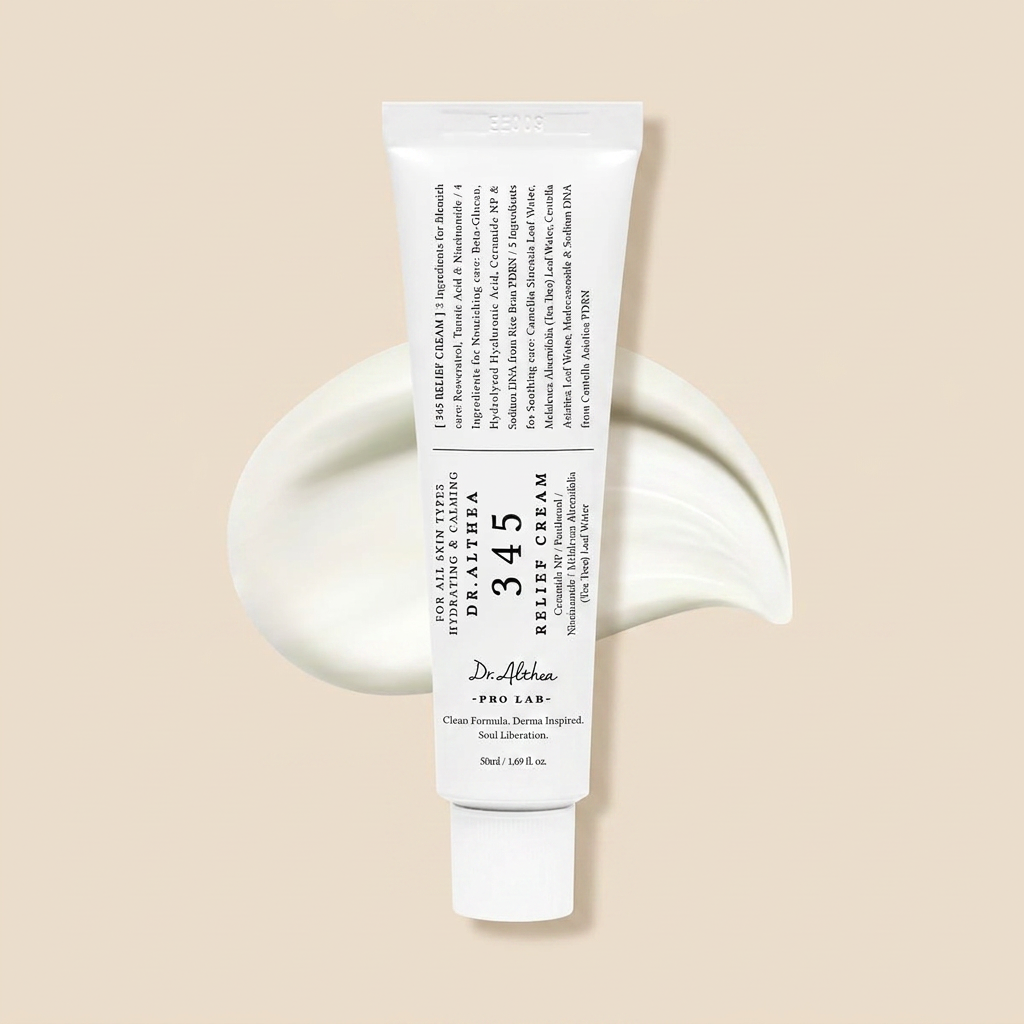
Dr Althea
345 Relief Cream
from €30.00
Barrier repair cream with centella complex, calming and richly hydrating.
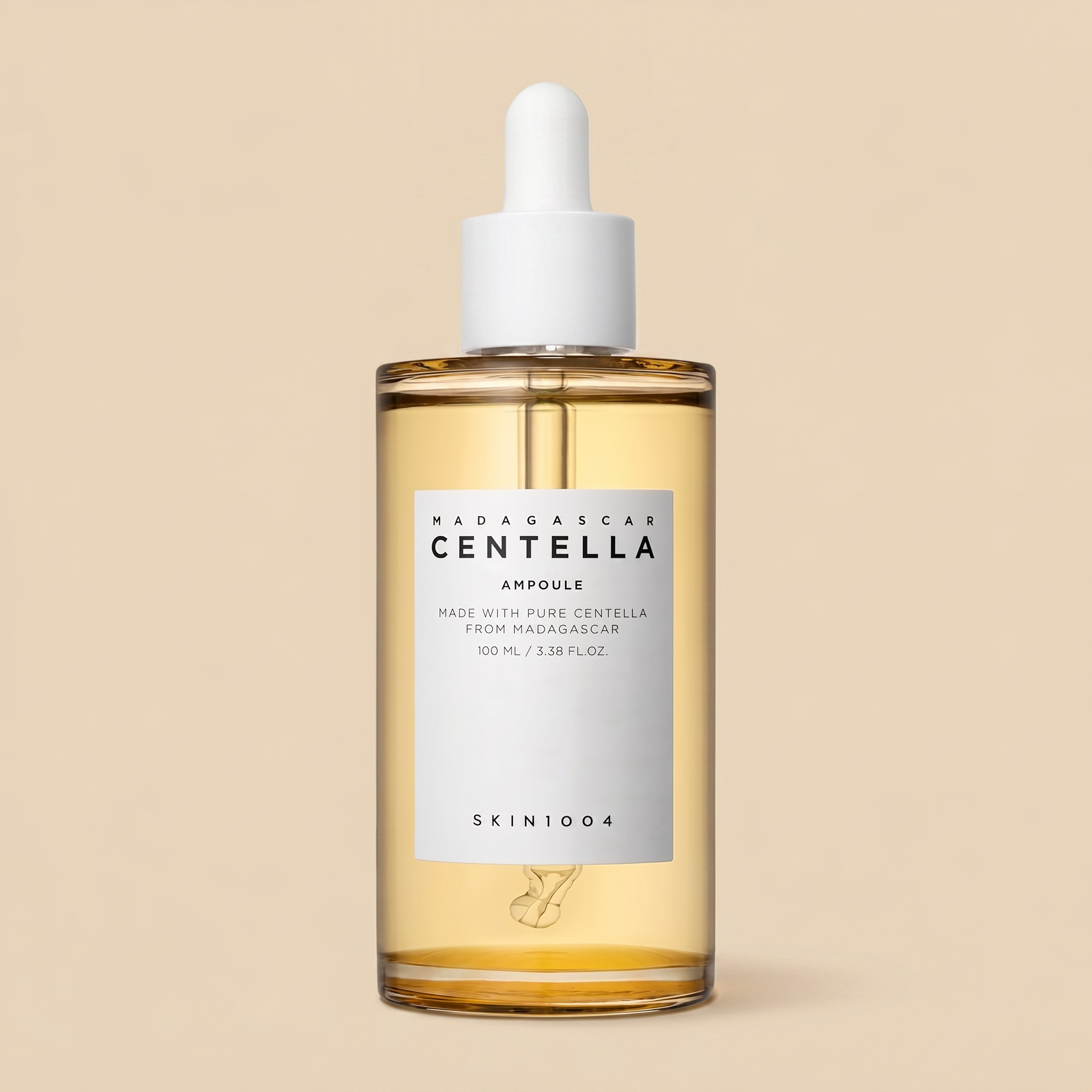
SKIN1004
Madagascar Centella Ampoule
from €20.00
100% Madagascar Centella Asiatica ampoule. One ingredient, one job: calm angry, reactive, breakout-prone skin.
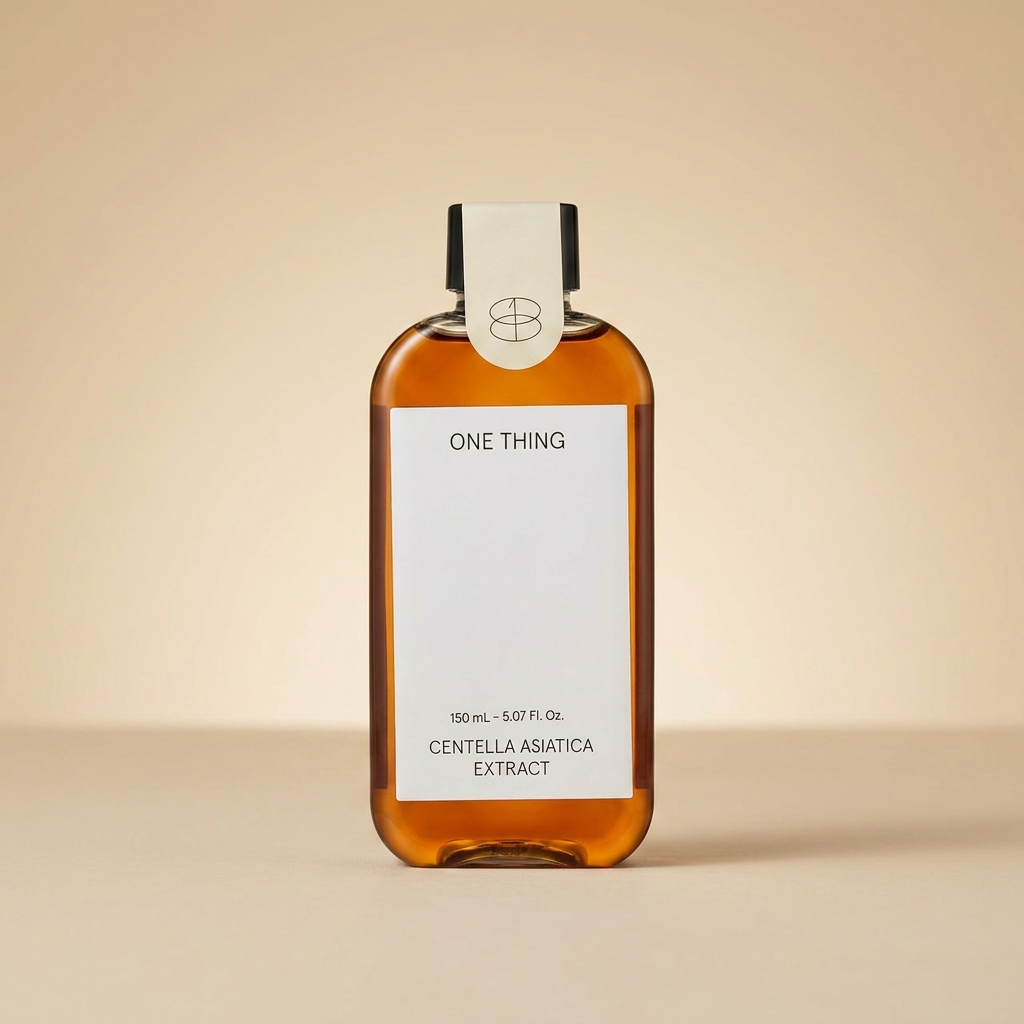
One Thing
Centella Asiatica Extract
from €13.00
Single ingredient centella extract, used as toner, mist or essence booster.
Keep reading
Tool
Build your routine
Pick skin type, concern and budget. Get a step-by-step routine with real products.
Tool
Check ingredient conflicts
Safe to combine, separate AM/PM, or skip. Clear verdicts for any two ingredients.