

Korean Skincare for Sensitive Skin: Barrier First, Actives Later
Last updated 8 July 2026
Sensitive skin is rarely sensitive forever. Most of the time it is a compromised barrier reacting to too much product, too many actives, or the wrong cleanser. The Korean approach strips the routine back to calming basics, rebuilds the barrier, and only then layers in actives. Within a few weeks the reactivity itself starts to fade.
The 5-step sensitive-skin routine
1. Cream or milk cleanser (AM + PM). Fragrance-free, low pH, no SLS. At night, swap for a gentle cleansing oil if you wear sunscreen or makeup.
2. Calming toner. Heartleaf, centella or madecassoside. Press into damp skin, no cotton pads.
3. Barrier serum or essence. Look for panthenol, ceramides, beta-glucan or madecassoside.
4. Rich, fragrance-free moisturiser. Ceramides and squalane do the heavy lifting here.
5. Mineral or hybrid SPF 50 (AM only). Hydrating, fragrance-free, with zinc oxide if your skin tolerates it well.
Ingredients that genuinely soothe
Centella asiatica (cica) and madecassoside: calm redness and support healing.
Heartleaf (Houttuynia cordata): the gentlest go-to for reactive, flushed skin.
Panthenol and allantoin: barrier-soothing all-rounders, well-tolerated by almost everyone.
Ceramides: rebuild the barrier, which is the actual fix for chronic sensitivity.
Beta-glucan: hydrating and calming at the same time, gentler than hyaluronic acid for very reactive skin.
What to avoid while you rebuild
Added fragrance and essential oils, the most common hidden triggers in K-Beauty.
Alcohol-denat high in toners and essences.
Physical scrubs and high-percent acids. Pause both for at least 4 weeks.
More than one new product at a time. Introduce one, wait 2 weeks, then add the next.
When to add actives back in
Wait until your skin has been calm and reaction-free for 3 to 4 weeks straight.
Reintroduce one active at a time, starting with the gentlest: niacinamide 2 to 5%, then azelaic acid, then a low-strength retinal or retinol if you want it.
Use new actives 2 nights a week for the first month. If your skin stays calm, build to 3 to 4 nights.
Stop and reset to the 5-step routine the moment redness or stinging comes back.
The Art of Gentle Cleansing: Technique Matters
A proper cleansing routine is the foundation of calm skin. Many people with sensitive skin fear oil cleansing, but it is actually an incredibly gentle way to dissolve makeup, sunscreen, and sebum without stripping the skin. The key is to find a formula that emulsifies properly, turning milky with water and rinsing clean without leaving a greasy film.
When choosing a first cleanser, look for simple oil blends, such as those based on grapeseed or jojoba oil, with gentle emulsifiers. After massaging the oil onto a dry face, add lukewarm water to your hands and continue massaging. This emulsification step is what lifts away impurities, so take your time and enjoy the process before rinsing thoroughly.
Your second, water-based cleanser should have a low pH, typically between 5.0 and 6.0, to respect your skin's natural acid mantle. Harsh, high-pH cleansers can strip protective lipids and are a very common cause of skin sensitivity and tightness. Look for cleansers formulated with mild, coconut-derived surfactants instead of Sodium Lauryl Sulfate (SLS).
Your technique is just as important as the product. Always use lukewarm, never hot, water, as high temperatures can exacerbate redness and irritation. After cleansing, gently pat your face dry with a clean, soft towel. Aggressive rubbing creates friction and can easily trigger a reaction in sensitised skin.
Strategic Hydration: How to Layer for Barrier Repair
Hydration is more than just a single cream. For skin with a compromised barrier, layering multiple light, watery products can deliver deeper and more lasting hydration than one heavy product. This method allows you to infuse your skin with soothing and moisture-binding ingredients at every step of your routine.
Start by applying your first hydrating product, usually a toner or essence, to skin that is slightly damp from cleansing. Damp skin is more permeable, allowing the product to absorb more effectively instead of just sitting on the surface. You can gently press the product into your skin with your palms for a few seconds to aid absorption.
Follow the 'thinnest to thickest' rule for ordering your products. A watery first essence would come first, followed by a slightly more viscous hydrating toner, and then a serum or ampoule. Products with a lighter, more fluid consistency penetrate the skin more easily, so they should always be applied before richer creams that are designed to seal everything in.
This multi-step approach is also a great way to incorporate different beneficial ingredients. For instance, you could use a toner with Centella Asiatica for calming, followed by a serum with Panthenol (Pro-Vitamin B5) for barrier support. This targets multiple aspects of skin health in one routine, building resilience layer by layer.
Navigating Sunscreens: Mineral vs. Chemical Filters
Daily sunscreen use is non-negotiable for all skin, but especially for sensitive types. UV radiation weakens the skin's barrier, worsens inflammation, and can make skin even more reactive. Finding a sunscreen that you can wear comfortably every single day is one of the best things you can do for your skin's long term health.
Mineral sunscreens, also called physical sunscreens, are often the preferred choice for very reactive skin. They use mineral filters like Zinc Oxide and Titanium Dioxide. These ingredients sit on top of the skin's surface and act like a mirror, reflecting harmful UV rays. Zinc Oxide is particularly prized for its additional soothing and anti-inflammatory properties.
Chemical sunscreens work differently. They contain organic compounds that absorb UV radiation and convert it into a small amount of heat that is then released from the skin. While many modern chemical formulas are very elegant and lightweight, certain filters (like Oxybenzone or Avobenzone) can sometimes cause stinging or allergic reactions in sensitised individuals.
The traditional trade-off was that mineral sunscreens could feel heavy or leave a white cast, while chemical ones felt more cosmetically elegant. Thankfully, Korean brands have innovated extensively. You can now find micronised mineral sunscreens that blend beautifully or chemical sunscreens that use newer, larger-molecule filters which are much less likely to cause irritation.
| Filter Type | How It Works | Pros for Sensitive Skin | Potential Cons |
|---|---|---|---|
| Mineral (Physical) | Sits on skin, reflects UV rays | Very low irritation potential; Zinc Oxide is calming | Can leave a white cast on some skin tones; may feel heavier |
| Chemical | Absorbs UV rays, converts to heat | Often lightweight, invisible finish; broad formulation variety | Some older filters can cause stinging or allergic reactions |
Common Pitfalls to Avoid on Your Healing Journey
When your skin is reactive, it is tempting to try every soothing product you can find, but introducing too many new things at once is a common mistake. If a reaction occurs, you will have no way of knowing which product was the culprit. Always introduce new products one at a time, patch-testing for a few days before applying it to your entire face.
Another frequent error is being overzealous with 'gentle' exfoliants. Products containing low-strength PHAs or fruit enzymes are often marketed for sensitive skin, but any exfoliation can be too much for a barrier that is actively compromised. Put all exfoliants, even mild ones, on hold until your skin feels consistently calm and hydrated for several weeks.
Remember that skincare is only one piece of the puzzle. Lifestyle habits can significantly impact skin sensitivity. Long, hot showers can strip the skin's protective oils, and a lack of sleep or high stress levels can trigger inflammatory responses in the body that show up on your skin. Pay attention to these external factors as you work on your routine.
Finally, avoid the temptation of physical scrubs, cleansing brushes, or abrasive washcloths. These tools create micro-tears in the skin's surface, further damaging an already weakened barrier and leading to more redness and irritation. Your hands are the best tools you have for a truly gentle skincare routine.
Product picks worth checking
Dr. Althea 345 Relief Cream is a fragrance-free, ceramide-rich barrier cream built for reactive skin, a solid pick when redness flares.
Purito Wonder Releaf Centella Serum Unscented layers calming centella under moisturizer without any essential oils or fragrance.
d'Alba First Spray Serum is a lightweight, refillable hydration mist that plays well with a sensitive-skin routine, spritz between steps or over the day.
Reader favorites
The products from this guide our readers click most.
Swipe for more →
Frequently asked
Products in this guide
Prices, ratings and short verdicts from our database, linked to the full product page.
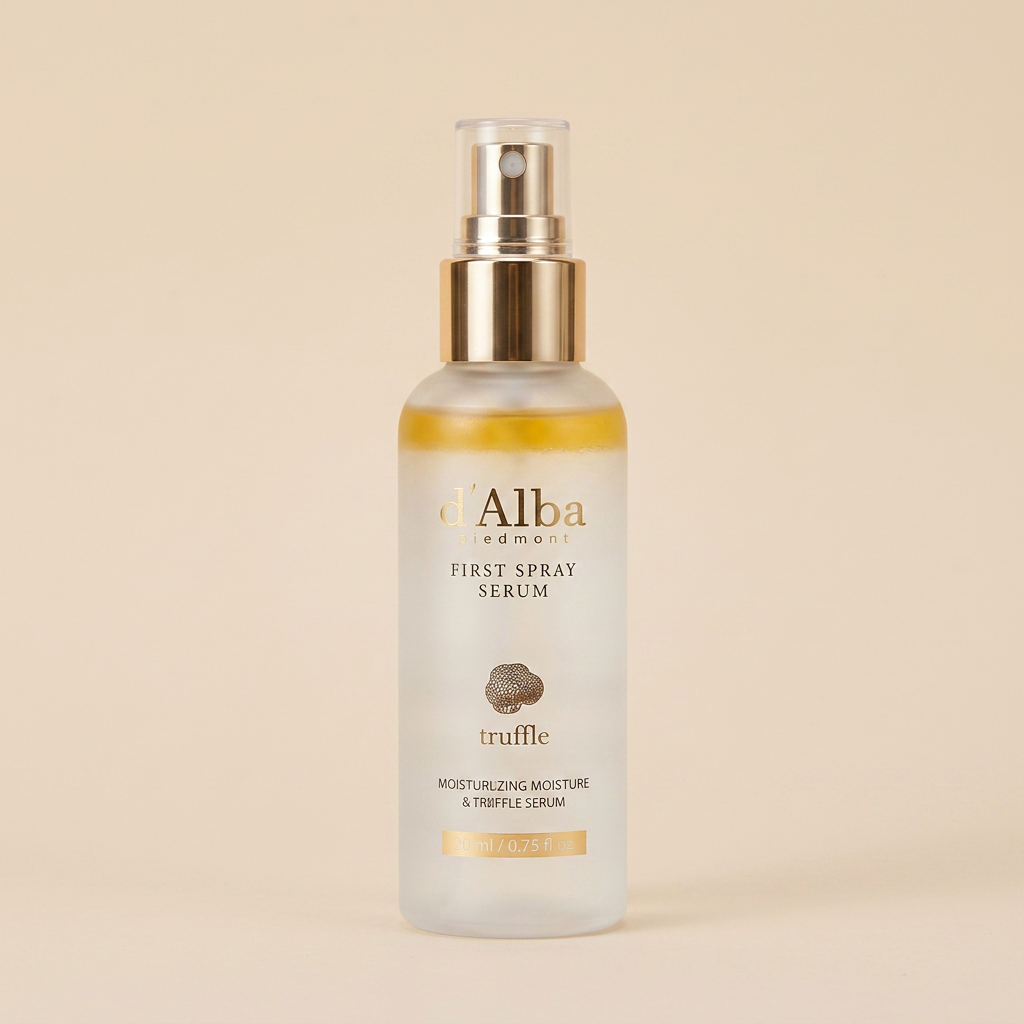
d'Alba Piedmont
d'Alba First Spray Serum
A cult double-layer mist-serum with Italian white truffle extract and squalane that hydrates and adds a soft glow, shake and spray for a quick pick-me-up any time of day.
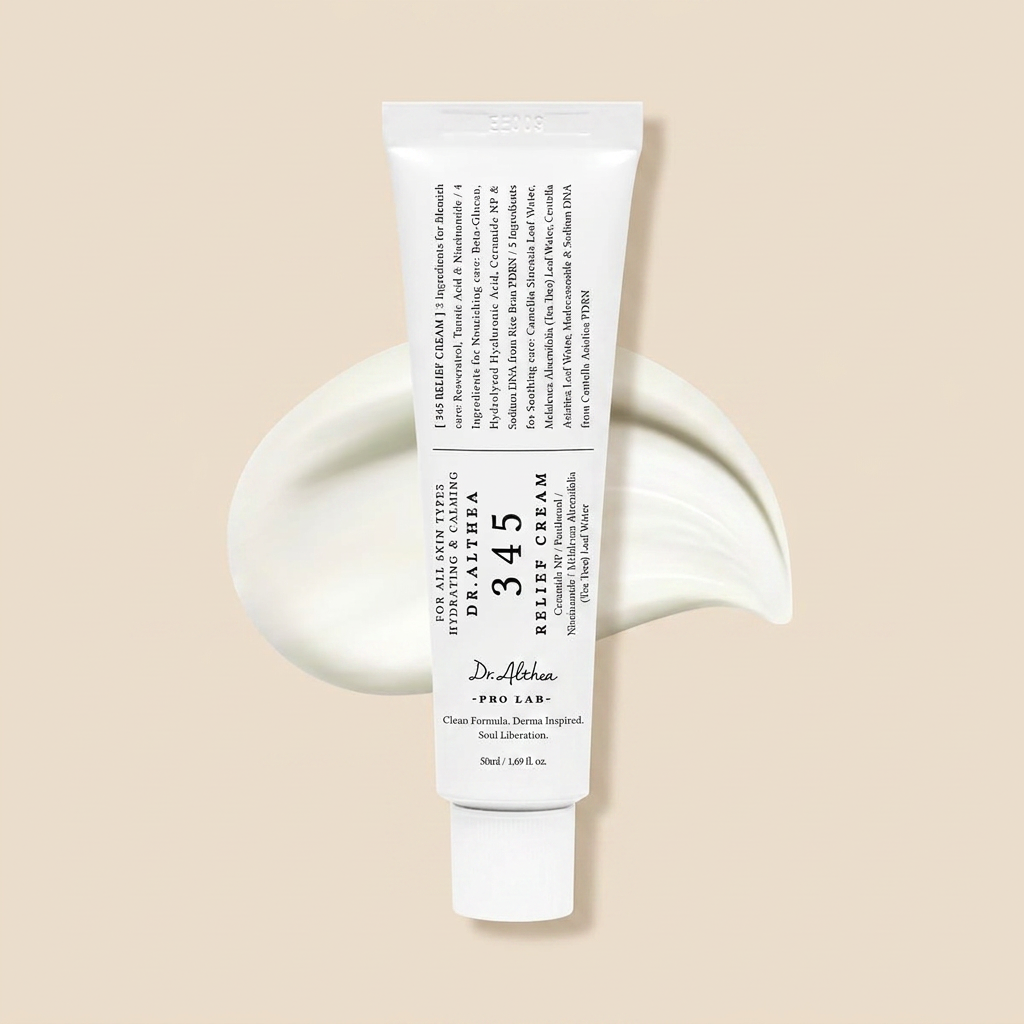
Dr Althea
345 Relief Cream
from €30.00
Barrier repair cream with centella complex, calming and richly hydrating.
Keep reading
Tool
Build your routine
Pick skin type, concern and budget. Get a step-by-step routine with real products.
Tool
Check ingredient conflicts
Safe to combine, separate AM/PM, or skip. Clear verdicts for any two ingredients.