

Best Korean Cleansers 2026: Oil, Gel and Cream Picks for Every Skin Type
Last updated 20 October 2026
Most skin problems start with cleansing, and most can be fixed there. Korean cleansers follow the double cleanse method: oil dissolves sunscreen and sebum, then a gentle cleanser made with water finishes the job. These are the best Korean cleansers worth buying in 2026.
Top picks from this guide
Best oil cleanser overall: Banila Co Clean It Zero Original
A sherbet balm that melts on contact and emulsifies with water. Rinses clean without an oily film.
Removes long wear sunscreen and waterproof makeup in one pass.
Around 18 to 24 EUR for 100 ml. Lasts 3 to 4 months.
Best for: normal, combination and dry skin. Sensitive users should patch test the fragrance.
Best oil cleanser for oily skin: Beauty of Joseon Radiance Cleansing Balm
Lighter than Banila Co and quicker to rinse. Made with a rice bran oil base that leaves very little residue.
Fragrance free and gentle enough for daily use, even on skin prone to acne.
Around 15 to 18 EUR for 100 ml.
Best for: oily and oily combination skin, skin prone to acne, and anyone sensitive to fragrance.
Best low-pH gel cleanser: COSRX Low pH Good Morning Gel Cleanser
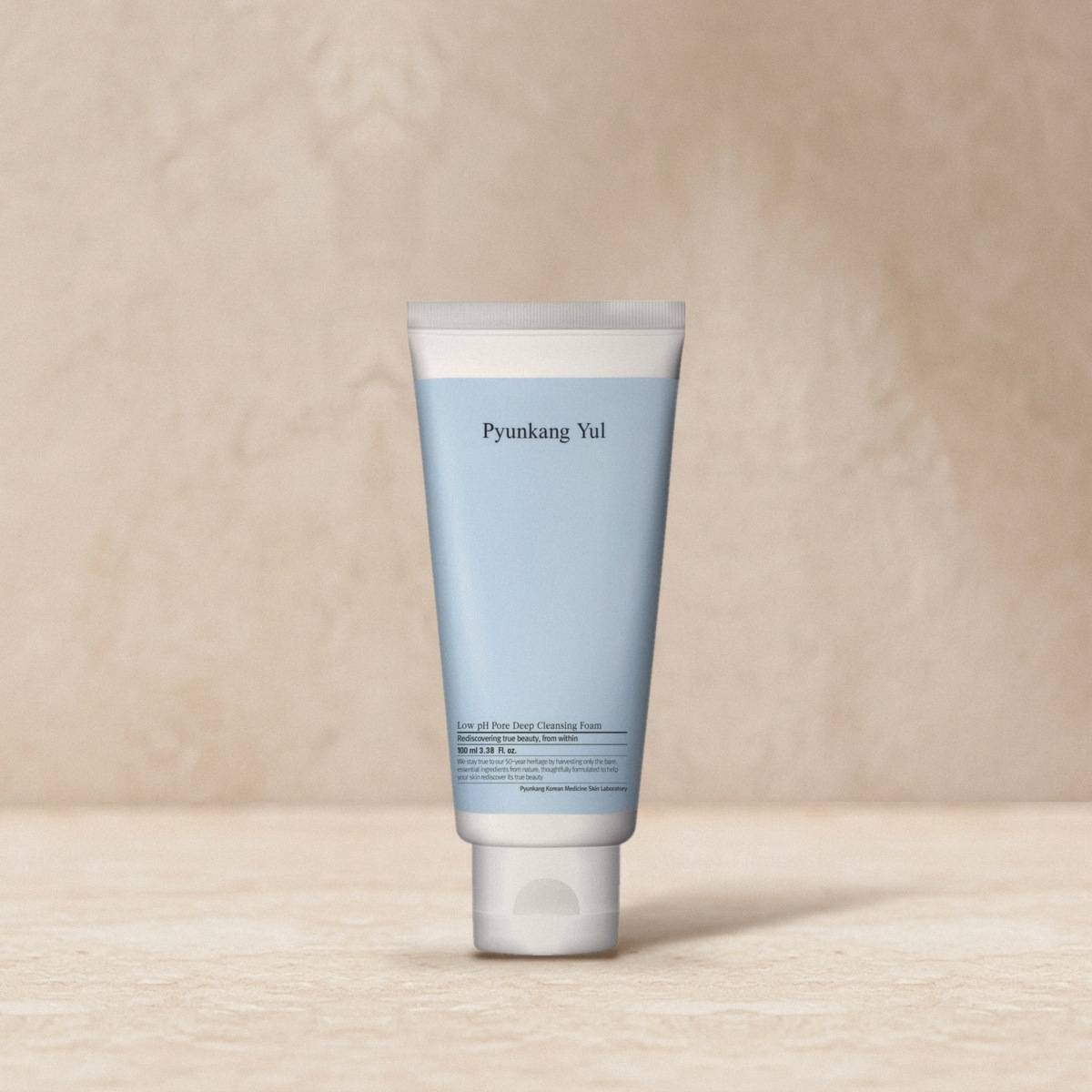
Best cream cleanser for dry skin: Pyunkang Yul Low pH Pore Deep Cleansing Foam
Despite the name, this creamy cleanser barely foams. Leaves dry skin comfortable without that squeaky feeling.
A minimal, fragrance free formula with around 10 ingredients total.
Around 14 to 18 EUR for 150 ml.
Best for: dry, mature skin and anyone sensitive to fragrance.
Best for acne-prone skin: Some By Mi AHA-BHA-PHA 30 Days Miracle Cleansing Foam
A mild foam cleanser with three acids, at a strength low enough for morning and night use without irritation.
Pair with the matching toner if you are doing a 30 day acne reset.
Around 12 to 16 EUR for 100 ml.
Best for: oily, congested skin and skin prone to acne.
How to double cleanse
Step 1: massage oil cleanser onto dry skin for 60 seconds. Add a splash of water to emulsify, then rinse.
Step 2: lather a coin sized amount of gel or cream cleanser. Work it over your skin for 30 to 45 seconds, then rinse with lukewarm water. Never use hot water.
Pat dry without rubbing. Apply your next product within 60 seconds, while skin is still slightly damp.
Other cleanser textures
Oils, gels and creams are the core of Korean cleansing, but other textures have their uses. Cleansing waters use tiny micelle molecules and are especially gentle. Use one for a quick morning refresh, light makeup removal, or a first cleanse if your very sensitive skin finds oils too heavy. Apply to a cotton pad and swipe over your face. Most formulas need no rinsing.
Cleansing milks are creamy emulsions with a lotion texture that cleanse without foaming. They are richer than cleansing water and often gentler than foaming cleansers. A good choice for dry, mature or compromised skin. They remove impurities and leave a light layer of nourishing lipids to comfort the skin barrier.
Enzyme powder cleansers offer gentle exfoliation. Water activates the powder, which contains enzymes such as papain from papaya or bromelain from pineapple to break down dead skin cells. The polish is very mild, but limit use to two or three times a week to avoid overexfoliation, especially on sensitive skin.
Cleansing sticks are solid cleansing balms in twist up tubes, handy for travel because they cannot spill. Apply directly to a dry face, then massage and rinse. Wipe the top after each use to keep it hygienic.
Ingredients to look for
Surfactants do the cleaning and are the most important part of a cleanser made with water. Look for gentle surfactants derived from plants, such as Coco-Betaine, Decyl Glucoside or Potassium Cocoyl Glycinate. They clean effectively without being harsh. Avoid formulas with Sodium Lauryl Sulfate (SLS) high on the ingredient list; it can strip many skin types.
A good Korean cleanser also soothes and hydrates. Glycerin and Hyaluronic Acid are humectants: they draw water into the skin to keep it plump during cleansing. Calming botanical extracts such as Centella Asiatica, often called Cica, Green Tea and Licorice Root help reduce redness and irritation before it starts.
Some cleansers use low concentrations of exfoliating acids to improve texture and clarity. Salicylic Acid, a BHA, gets into pores and helps manage oil. Lactic Acid, an AHA, and Gluconolactone, a PHA, gently exfoliate the surface. Because the cleanser stays on your skin for only a minute or two, the effects are mild and build over time. This makes it a good way to introduce acids.
Cleansing mistakes to avoid
Hot water is a common mistake. It may feel luxurious, but it can strip essential lipids and damage your moisture barrier. Skin can become dehydrated and tight, and may produce more oil to compensate. Always use lukewarm water to rinse and emulsify.
Scrubbing too hard can cause irritation and inflammation, especially around the delicate eye area. Use your fingertips in gentle circles for about 60 seconds. That gives the cleanser time to dissolve makeup and sebum without physically stressing your skin.
Rinse thoroughly. Oil cleanser residue can contribute to clogged pores, while leftover foaming cleanser can dry out skin. Check the places where product collects: your hairline, jaw and around your nostrils.
Always emulsify oil balms and cleansers. After massaging onto a dry face, add a little warm water and massage again until the oil turns milky. This lets the oil and dissolved grime rinse away with water without leaving a greasy film.
Pairing cleansers with actives
If you use prescription retinoids such as tretinoin, vitamin C at high concentrations, or strong chemical exfoliants, keep cleansing gentle and supportive. On nights you use these actives, avoid adding more stress to your skin. Too much cleansing can compromise the barrier and make treatment products more irritating.
Choose the gentlest cleanser you can find for a routine with strong actives. Try a creamy wash that does not foam, a cleansing milk or a basic gel cleanser with a low pH. Pairing a retinoid with an AHA or BHA cleanser is often too much and can cause redness, peeling and sensitivity. Keep it simple.
If your routine is simple and has no separate exfoliating step, a mild acid or enzyme cleanser can fill that gap. A cleanser with PHA or an enzyme powder wash a few times a week can improve radiance and texture through gentle resurfacing, without adding another serum or toner.
Reader favorites
The products from this guide our readers click most.
Swipe for more →

Reader favorite
Beauty of Joseon Radiance Cleansing Balm
A rice- and ginseng-infused oil cleansing balm that melts SPF and makeup without stripping. K-beauty oil-cleanse staple.

Reader favorite
COSRX Low pH Good Morning Gel Cleanser
A low-pH gel cleanser with a touch of BHA and tea tree. The original gateway K-beauty AM cleanser.
Reader favorite
Pyunkang Yul Low pH Pore Deep Cleansing Gel
Low pH gel that lifts sebum without tightening.

Reader favorite
Some By Mi AHA BHA PHA 30 Days Miracle Toner
Triple acid toner for acne and texture in 30 days.
Frequently asked
Yes, at night if you wear sunscreen or makeup. In the morning, a single gentle gel cleanser or just water is enough for most skin.
Use COSRX Low pH Good Morning Gel daily, paired with Some By Mi AHA-BHA-PHA Cleansing Foam two to three nights a week for active congestion.
Yes. They are often better than foaming cleansers. Oil dissolves sebum and rinses away without residue, while harsh foaming triggers more oil production.
Between 4.5 and 5.5, the same as healthy skin. Most Korean cleansers with a low pH fall in this range and protect the barrier.
Allow 60 seconds for each step. Massage your oil cleanser for about one minute to dissolve sunscreen, makeup and sebum thoroughly. Rinse, then massage your cleanser made with water for another minute. This gives the ingredients time to work without stripping your skin.
Yes. It is especially useful for very oily skin or after a heavy, occlusive cream the night before. For most people, one cleanse with a gentle gel or foam made with water is enough to freshen skin in the morning.
It is common and usually harmless. Emulsified oil can get into your eyes during washing and cause temporary cloudiness. It should rinse away with water and should not sting. If it stings or the cloudiness persists, the formula's emulsifiers or fragrance may be irritating your eyes. Consider trying a different product.
The main difference is form and packaging. Balms are solid at room temperature, come in jars and melt into oil with body heat. They cannot spill, which makes them handy for travel. Cleansing oils are liquid and usually come in pump bottles. Both dissolve oily impurities as the first step of a double cleanse.
A good Korean oil cleanser or balm can remove most everyday eyeliner and mascara without trouble. For stubborn waterproof formulas, a dedicated eye makeup remover with two phases may work faster and need less rubbing around the delicate eye area.
Products in this guide
Prices, ratings and short verdicts from our database, linked to the full product page.
Beauty of Joseon
Radiance Cleansing Balm
from €18.00★ 4.0 (60)
A rice- and ginseng-infused oil cleansing balm that melts SPF and makeup without stripping. K-beauty oil-cleanse staple.
COSRX
Low pH Good Morning Gel Cleanser
from €13.00★ 4.1 (43)
A low-pH gel cleanser with a touch of BHA and tea tree. The original gateway K-beauty AM cleanser.
Pyunkang Yul
Low pH Pore Deep Cleansing Gel
from €12.00★ 3.9 (53)
Low pH gel that lifts sebum without tightening.
Some By Mi
AHA BHA PHA 30 Days Miracle Toner
from €18.00
Triple acid toner for acne and texture in 30 days.
KABEAU is independent, with no paid placements. As an Amazon Associate we earn from qualifying purchases. We cross-check INCI lists, read current customer reviews on Olive Young, YesStyle and Stylevana, and flag interactions through our ingredient conflict database. Prices and stock come from our daily-refreshed product catalogue.
Last updated 20 October 2026 by the KABEAU editorial team.
Keep reading
Tool
Build your routine
Pick skin type, concern and budget. Get a step-by-step routine with real products.
Tool
Check ingredient conflicts
Safe to combine, separate AM/PM, or skip. Clear verdicts for any two ingredients.