
Best Korean Moisturizers 2026: Gel, Cream and Barrier Picks
Last updated 8 July 2026
A good Korean moisturizer is the bridge between every other step in your routine and a face that stays comfortable until tomorrow. Korean moisturizers tend to be lighter and more humectant-heavy than Western ones, which is why they layer so well. Here are the best picks for 2026.
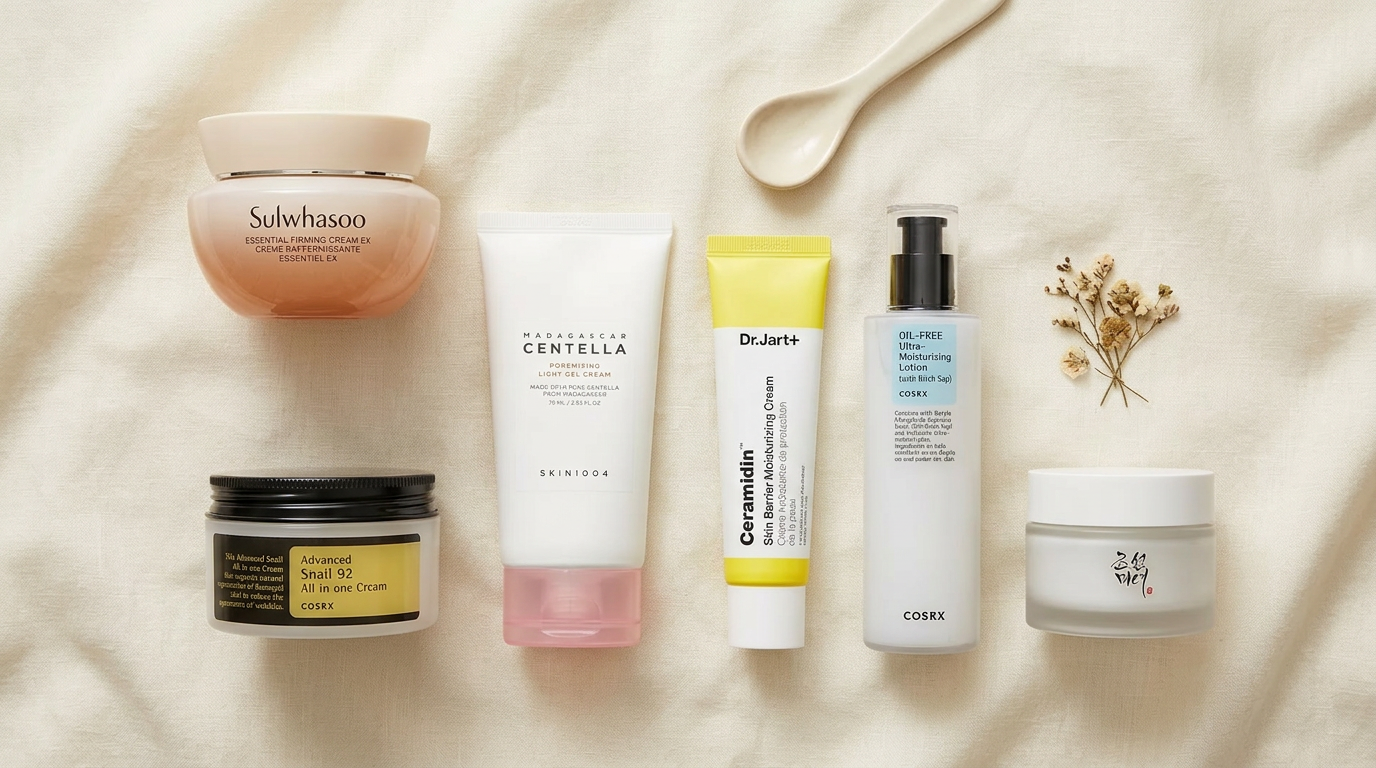
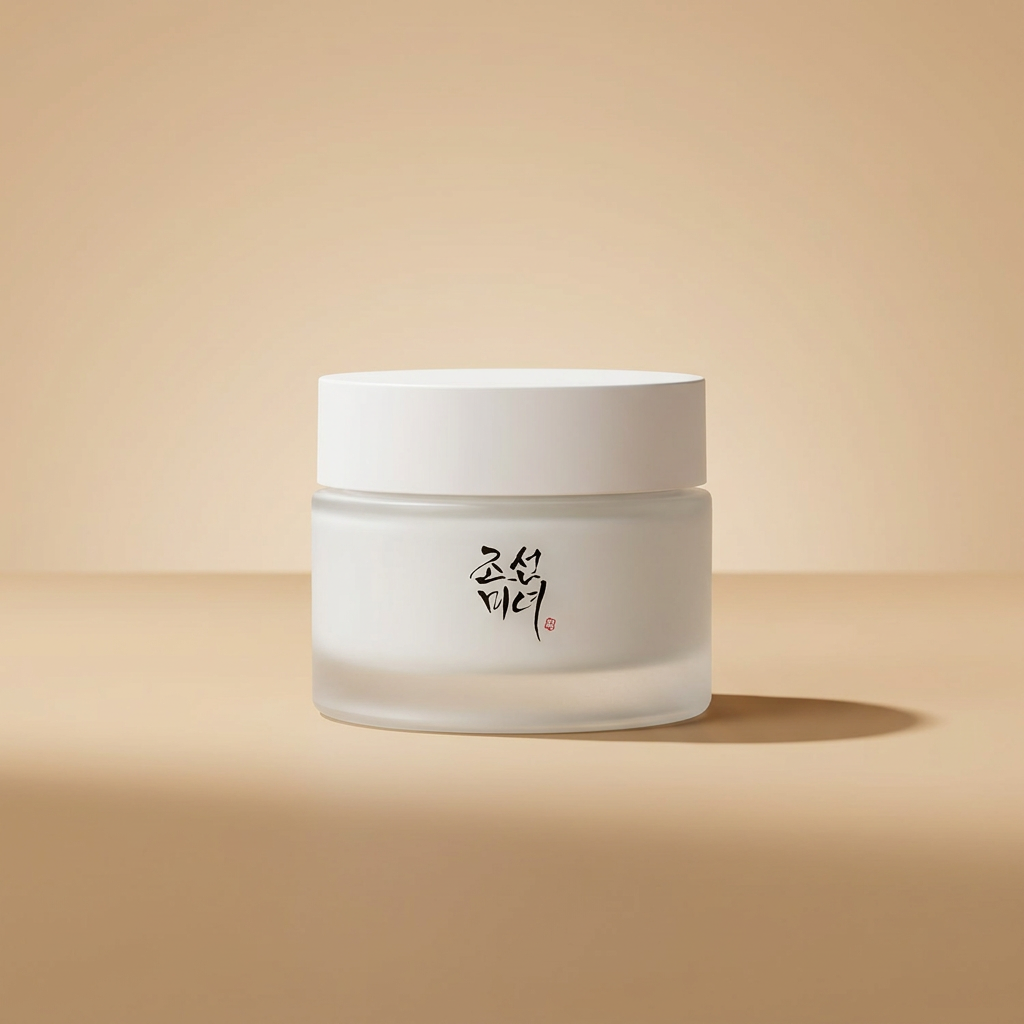
Best overall: Beauty of Joseon Dynasty Cream
Lightweight cream-gel hybrid, peptides, niacinamide, ginseng and squalane in a balanced base.
Gives a soft glow, plays well under makeup, suits almost every skin type from normal to dry.
Around 20 to 24 EUR for 50 ml.
Best for: normal, combination, lightly dry, mature skin.
Best for oily skin: COSRX Oil-Free Ultra-Moisturizing Lotion with Birch Sap
Watery gel lotion built on birch sap instead of water. Zero greasy feel, fast absorption.
Hydrates without weight, which is what most oily skin actually needs.
Around 18 to 22 EUR for 100 ml.
Best for: oily, oily-combination, acne-prone skin.
Best for dry skin and barrier repair: Dr. Jart+ Ceramidin Cream
5-Cera complex (ceramide 1, 2, 3, 6 II, NP), genuine barrier-repair levels of ceramide.
Rich without being greasy, the gold standard for tight, flaky, winter-cracked skin.
Around 30 to 38 EUR for 50 ml. Worth it if your skin is truly dry.
Best for: dry, very dry, eczema-prone, post-procedure skin.
Best for sensitive skin: SKIN1004 Madagascar Centella Light Cream
Centella asiatica leaf water at 73% as the base, plus madecassoside and panthenol.
Calming without occlusive heaviness. The best moisturizer if your face flushes easily.
Around 18 to 22 EUR for 75 ml.
Best for: sensitive, reactive, rosacea-prone skin.
Best snail mucin classic: COSRX Advanced Snail 92 All In One Cream
92% snail secretion filtrate. The cult cream that put snail mucin on the global map.
Hydrates, softens, and helps fade post-acne marks over 6 to 8 weeks of consistent use.
Around 22 to 28 EUR for 100 ml.
Best for: anyone with post-breakout marks, dehydrated skin, or interest in slow-glow skincare.
Best premium pick: Sulwhasoo Essential Comfort Firming Cream
Hanbang (traditional Korean herbal) formula, pine mushroom and ginseng, dense luxurious cream texture.
The most beautiful moisturizer experience in K-Beauty. Visible plumping after 4 weeks.
Around 90 to 130 EUR for 75 ml. A treat, not a daily essential.
Best for: mature skin, special occasion routines, anyone who values texture and ritual.
The Science of Hydration: Humectants, Emollients, and Occlusives
To choose the right moisturizer, it helps to understand the three types of ingredients that make them work. First are humectants, which act like magnets for water. They pull moisture from the deeper layers of your skin and the air, bringing it to the surface. Common humectants in K-Beauty include hyaluronic acid, glycerin, beta-glucan, and propolis extract. Gel moisturizers and watery lotions are typically very rich in humectants.
Next are emollients. Think of these as skin smoothers. They are oils and lipids that fill in the tiny gaps between skin cells, making the surface feel soft and flexible. Emollients help reduce rough texture and can restore a supple feel to flaky skin. Ingredients like squalane, plant oils (such as jojoba or macadamia), ceramides, and fatty acids are all excellent emollients.
Finally, we have occlusives. These ingredients create a protective seal over the skin's surface. This barrier prevents the water drawn in by humectants from evaporating away, a process known as transepidermal water loss (TEWL). Richer, thicker creams rely on occlusives like shea butter, petrolatum, lanolin, and beeswax. For a product to offer long-lasting moisture, it usually needs a balance of all three ingredient types.
Advanced Ingredients: Peptides and Ferments in Korean Moisturizers
Beyond basic hydration, many Korean moisturizers feature advanced ingredients to target specific concerns like fine lines and dullness. Peptides are a great example. These are short chains of amino acids that act as messengers, signaling your skin cells to perform certain functions. For instance, some peptides encourage the skin to produce more collagen, which can improve firmness and bounce over time. Look for ingredients like copper tripeptide-1 or acetyl hexapeptide-8 in formulas targeting skin elasticity.
Fermented ingredients are another pillar of Korean skincare, prized for creating a more potent and easily absorbed product. The fermentation process breaks down ingredients into smaller, skin-friendly molecules and can even produce new beneficial compounds like amino acids and antioxidants. You will often see fermented rice water (Saccharomyces Ferment Filtrate) or fermented soybean extract used to brighten skin tone, refine texture, and support a healthy skin microbiome. These are often found in watery creams and emulsions that feel very light on the skin.
Technique Matters: Getting the Most From Your Moisturizer
How you apply your moisturizer can be just as important as which one you choose. For maximum absorption, always apply it to slightly damp skin. After cleansing and applying your toner or essence, do not wait for your face to completely dry. The residual moisture helps the moisturizer spread easily and trap hydration more effectively.
A common mistake is using too much product, which can lead to a sticky feeling, pilling, or even clogged pores for some skin types. A pea-sized amount is usually sufficient for the entire face. Warm it between your fingertips for a moment, then gently press and pat it into the skin instead of rubbing vigorously. This gentle pressing motion aids absorption and avoids stretching the skin, especially around the delicate eye area.
Consider the 'moisture sandwich' technique for very dry skin or when using potent active ingredients like retinoids. This involves layering your products strategically. You would apply a light, hydrating toner or serum first, follow with your active treatment if using one, and then seal everything in with your chosen moisturizer. For extremely dry conditions, you can even apply a light layer of moisturizer both before and after your active step to buffer potential irritation.
Troubleshooting: Why Your Moisturizer Is Pilling
Pilling, when your skincare rolls up into little flakes or balls, is a common and frustrating issue. It often happens when products in your routine are not compatible. The most frequent cause is layering products that are heavy in silicones (like dimethicone) on top of watery gels or serums. The silicone forms a film that can be disturbed by subsequent layers, causing the product to ball up.
Your application technique can also be a factor. If you apply your next skincare step too quickly, before the previous one has had a chance to absorb, you are more likely to experience pilling. Give each layer, especially serums and essences, at least a minute to sink in. Similarly, rubbing products into the skin rather than gently patting can disrupt the delicate film they form, leading to those annoying little rolls.
The amount of product you use is also key. Applying too thick a layer of any single product, particularly a primer or heavy cream, increases the likelihood of pilling. To fix the issue, try simplifying your routine, allowing more time between steps, and using a patting motion for application. If it persists, identify which product combination is the culprit through a process of elimination.
| Common Cause | Solution | Example Product Combo to Avoid |
|---|---|---|
| Silicone-heavy formulas | Pat instead of rub; use silicone-free products underneath. | A heavy dimethicone-based sunscreen over a sticky hyaluronic acid serum. |
| Applying layers too quickly | Wait 60 seconds between each step for products to absorb. | Applying a thick cream immediately after a watery essence. |
| Using too much product | Use a pea-sized amount of moisturizer or serum. | A large dollop of gel-cream that never fully absorbs. |
| Incompatible textures | Use products with similar bases (e.g., water-based with water-based). | Layering a facial oil directly over a film-forming gel. |
More moisturizers worth knowing
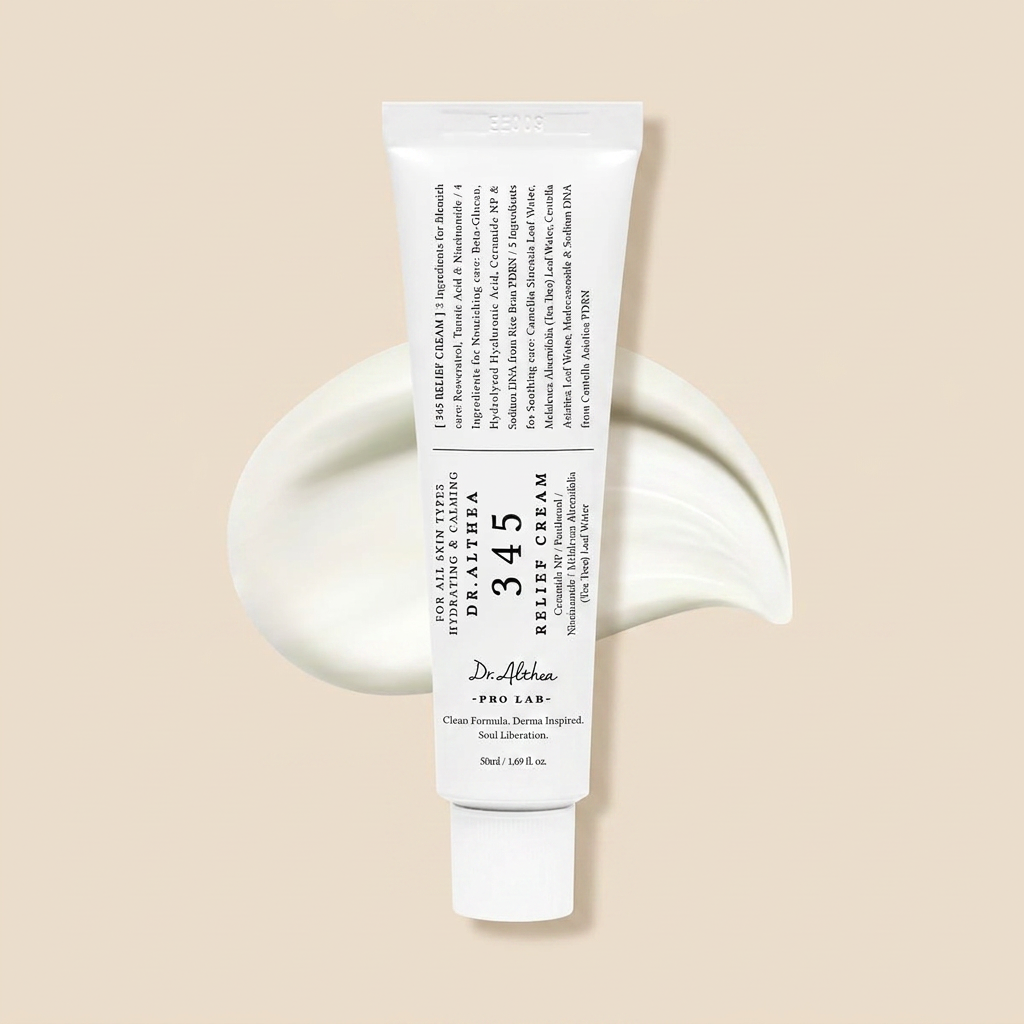
Dr. Althea 345 Relief Cream is a barrier-focused cream for sensitive, reactive skin, ceramides and panthenol lead the formula.
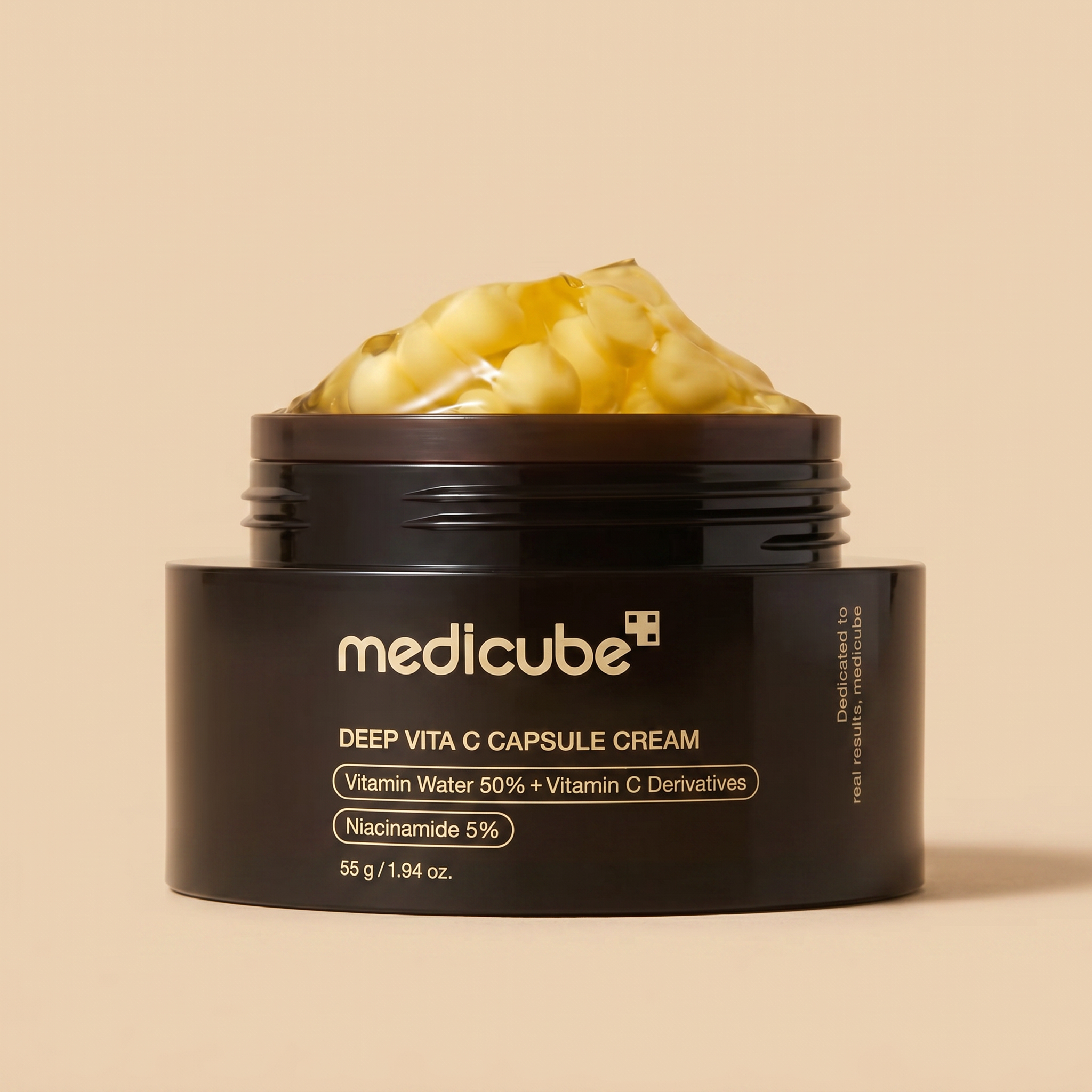
Medicube Deep Vita C Capsule Cream layers brightening vitamin C into a moisturizer texture, useful if you want glow without a separate serum step.
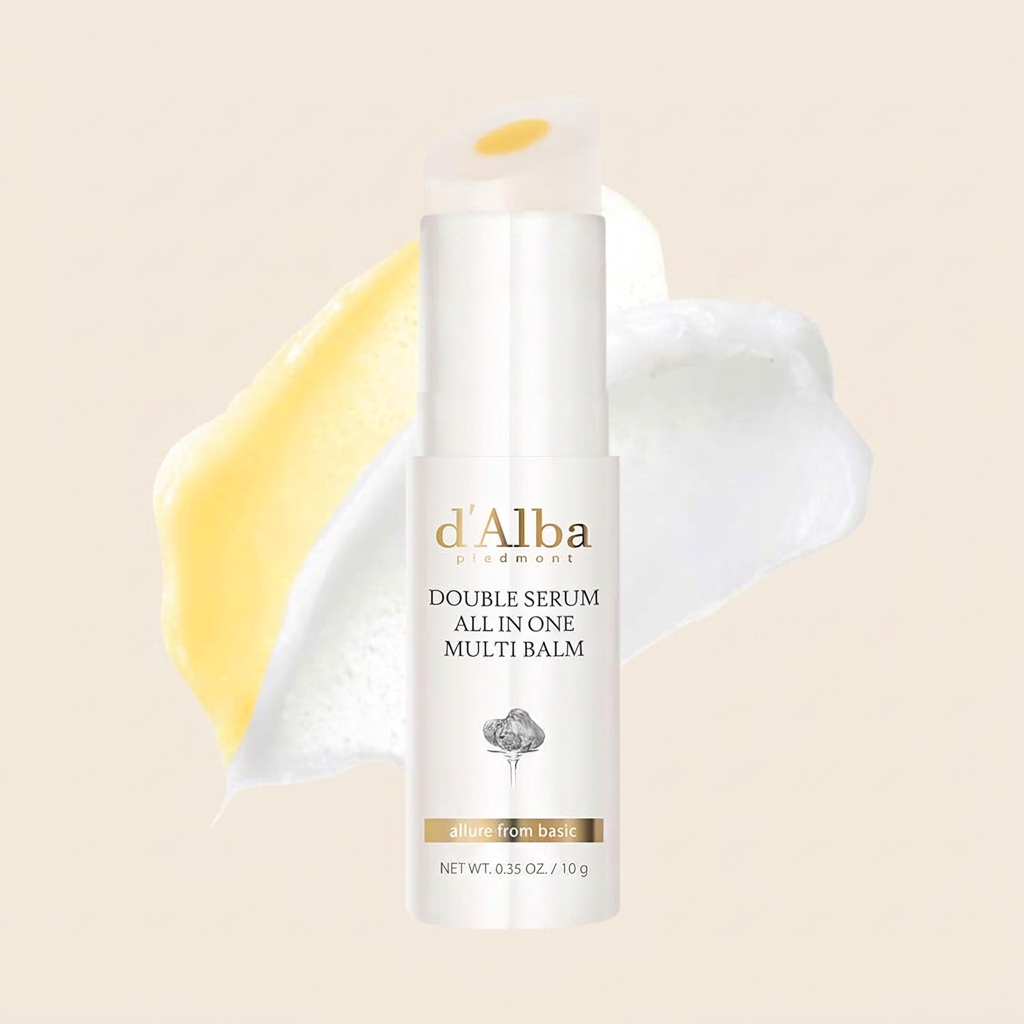
d'Alba Double Serum All In One Multi Balm is a stick balm that seals moisture onto dry cheeks, lips and cuticles on top of your regular cream.
Reader favorites
The products from this guide our readers click most.
Swipe for more →
Reader favorite
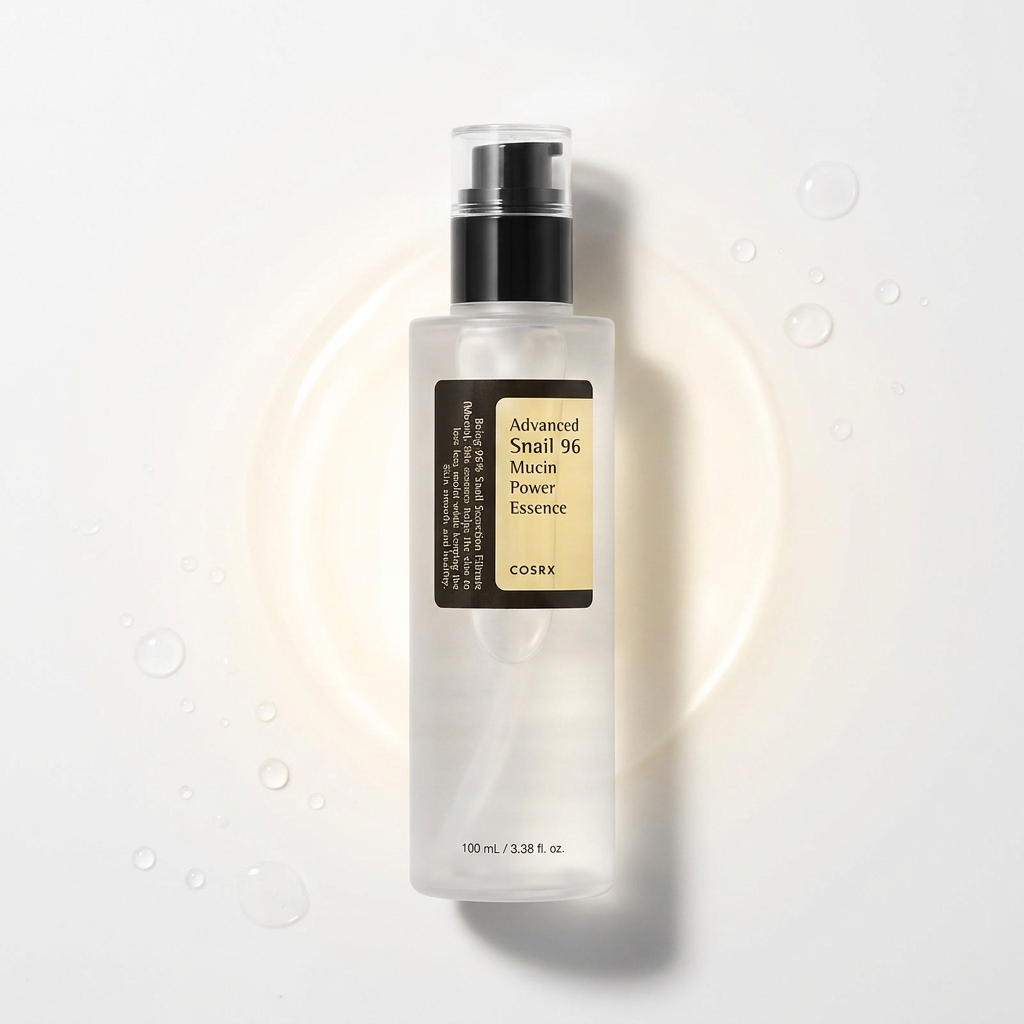
COSRX Advanced Snail 96 Mucin Power Essence
The viral 96% snail mucin essence. Fades post-acne marks, hydrates, and supports barrier repair. Arguably the most-reviewed K-beauty product on Amazon.
Reader favorite
Dr Althea 345 Relief Cream
Barrier repair cream with centella complex, calming and richly hydrating.
Reader favorite
Beauty of Joseon Dynasty Cream
Rich moisturizer with hanbang botanicals.
Reader favorite
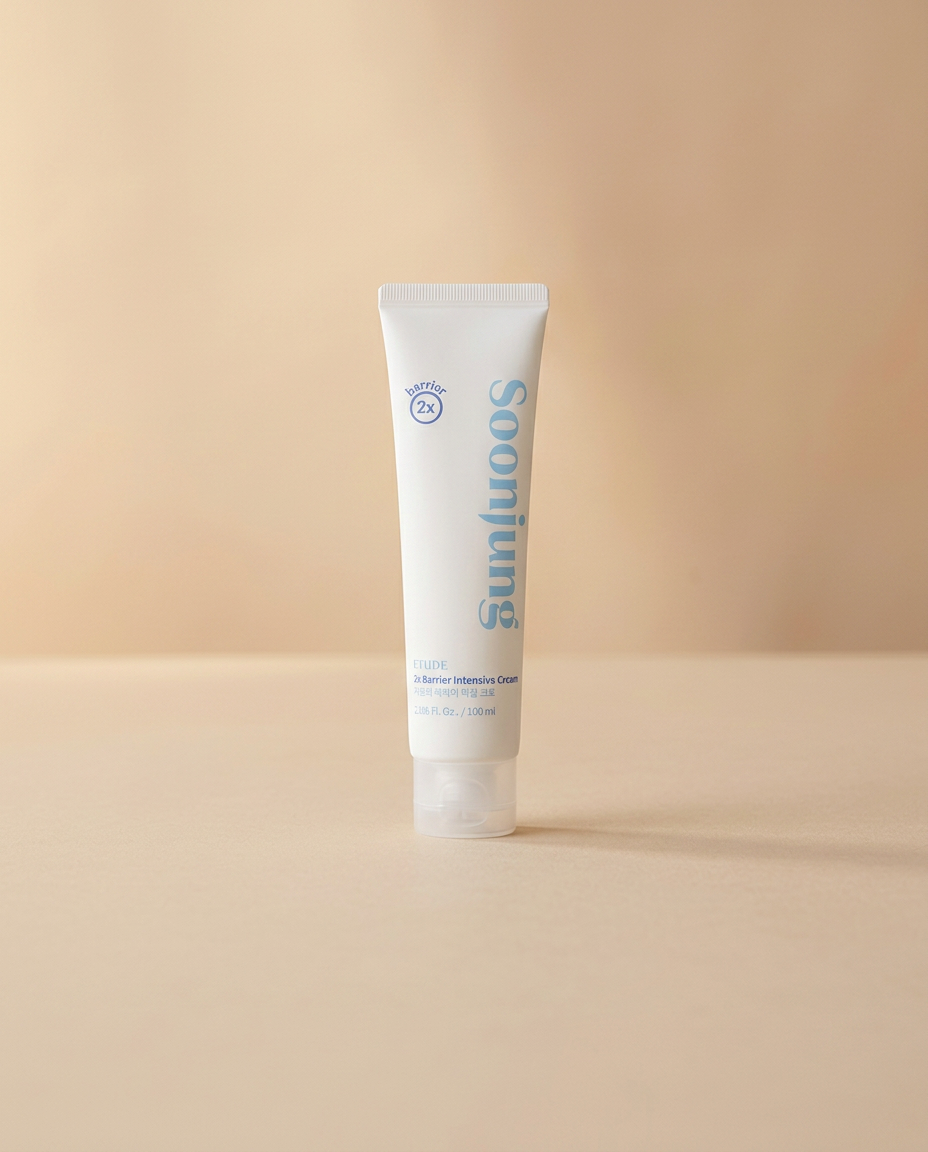
Etude House SoonJung 2x Barrier Intensive Cream
10% panthenol + madecassoside cream for reactive, post-procedure, or barrier-compromised skin.
Frequently asked
Products in this guide
Prices, ratings and short verdicts from our database, linked to the full product page.
Medicube
Medicube Deep Vita C Capsule Cream
★ 4.1 (60)
A brightening capsule cream with vitamin C derivatives and 5% niacinamide that visibly evens tone and adds a healthy glow without irritating sensitive skin.
COSRX
Advanced Snail 96 Mucin Power Essence
from €22.00
The viral 96% snail mucin essence. Fades post-acne marks, hydrates, and supports barrier repair. Arguably the most-reviewed K-beauty product on Amazon.
d'Alba Piedmont
d'Alba Double Serum All In One Multi Balm
A twist-up stick balm with a dual oil and cream formula that melts into skin to lock in hydration, soothe dry patches, and add a soft glow anywhere on the face, lips, or cuticles.
Dr Althea
345 Relief Cream
from €30.00
Barrier repair cream with centella complex, calming and richly hydrating.
Beauty of Joseon
Dynasty Cream
from €20.00
Rich moisturizer with hanbang botanicals.
Etude House
SoonJung 2x Barrier Intensive Cream
from €18.00
10% panthenol + madecassoside cream for reactive, post-procedure, or barrier-compromised skin.
Keep reading
Tool
Build your routine
Pick skin type, concern and budget. Get a step-by-step routine with real products.
Tool
Check ingredient conflicts
Safe to combine, separate AM/PM, or skip. Clear verdicts for any two ingredients.