
Best Korean Serums 2026: Niacinamide, Snail, Peptide and Vitamin C Picks
Last updated 8 July 2026
A serum is where your routine actually treats a skin concern. Korean serums (and the slightly more concentrated ampoules) tend to be elegant, well-formulated and a fraction of the price of Western equivalents. Here are the best Korean serums to buy in 2026, organised by what you want to fix.
Best brightening serum: Beauty of Joseon Glow Serum Propolis + Niacinamide
60% propolis extract, 2% niacinamide. Hydrates, evens tone, calms inflammation, all at once.
The single most-recommended Korean serum on the internet, and it actually earns it.
Around 17 to 20 EUR for 30 ml.
Best for: dullness, post-acne marks, uneven tone. Skin types: all except true bee allergy.
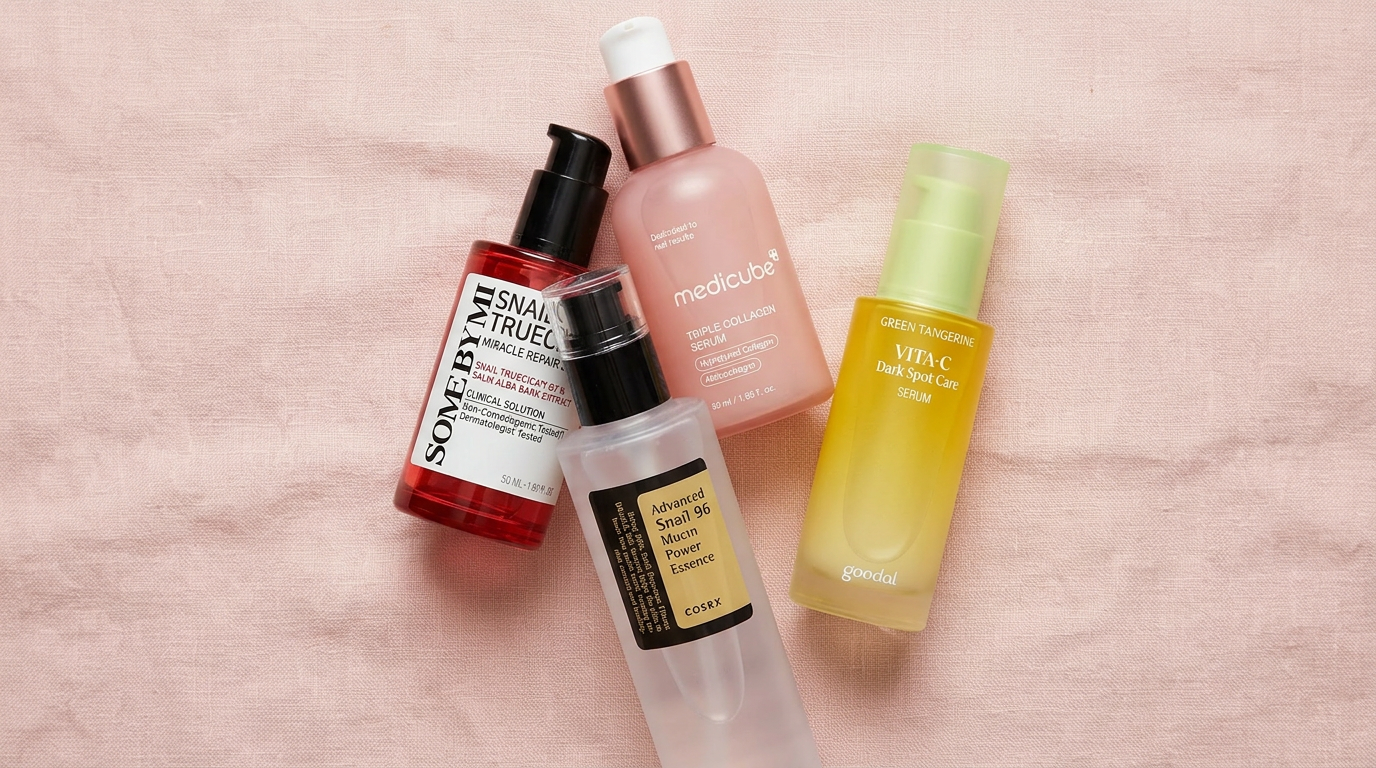
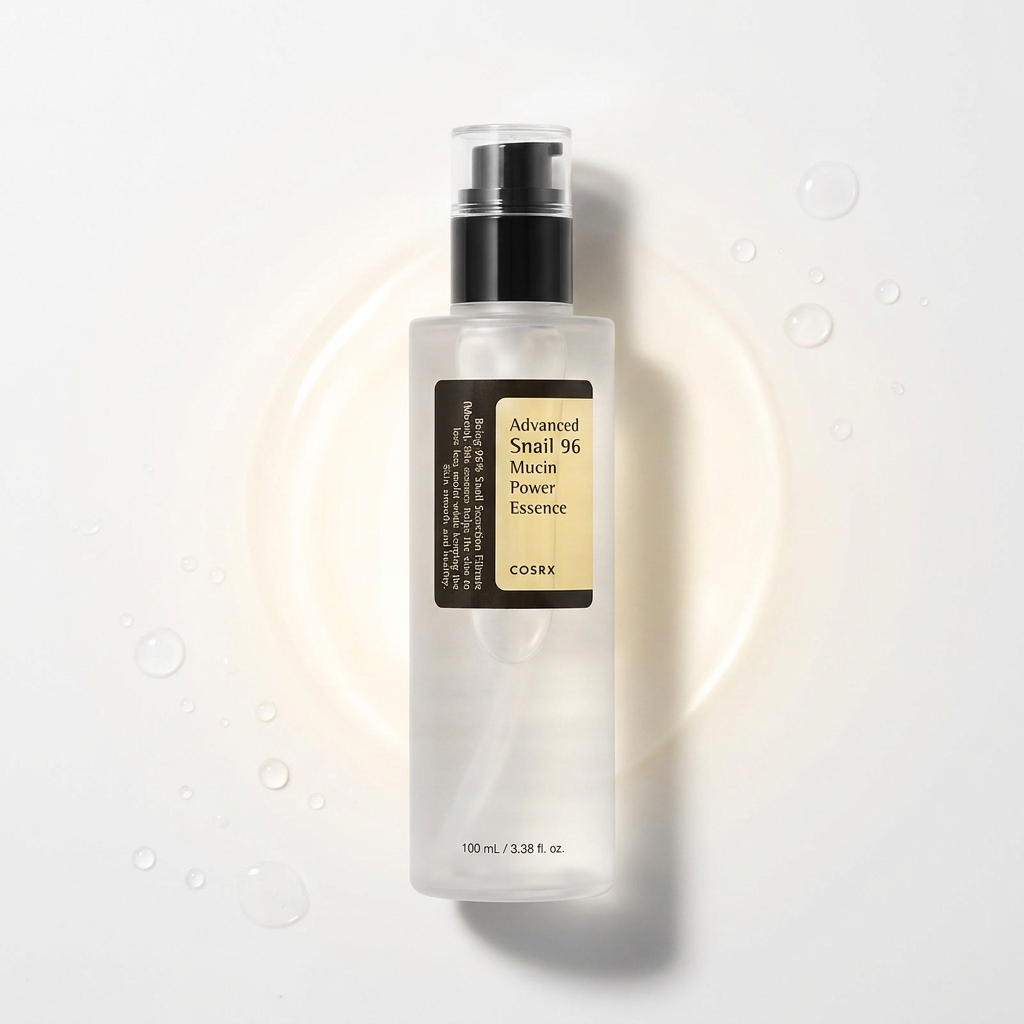
Best snail mucin essence: COSRX Advanced Snail 96 Mucin Power Essence
96% snail secretion filtrate in a lightweight essence-serum hybrid.
Hydrates, supports barrier repair, fades post-acne marks over 6 to 10 weeks.
Around 20 to 25 EUR for 100 ml. The best price-per-ml premium ingredient in K-Beauty.
Best for: dehydrated skin, post-breakout marks, sensitive skin.
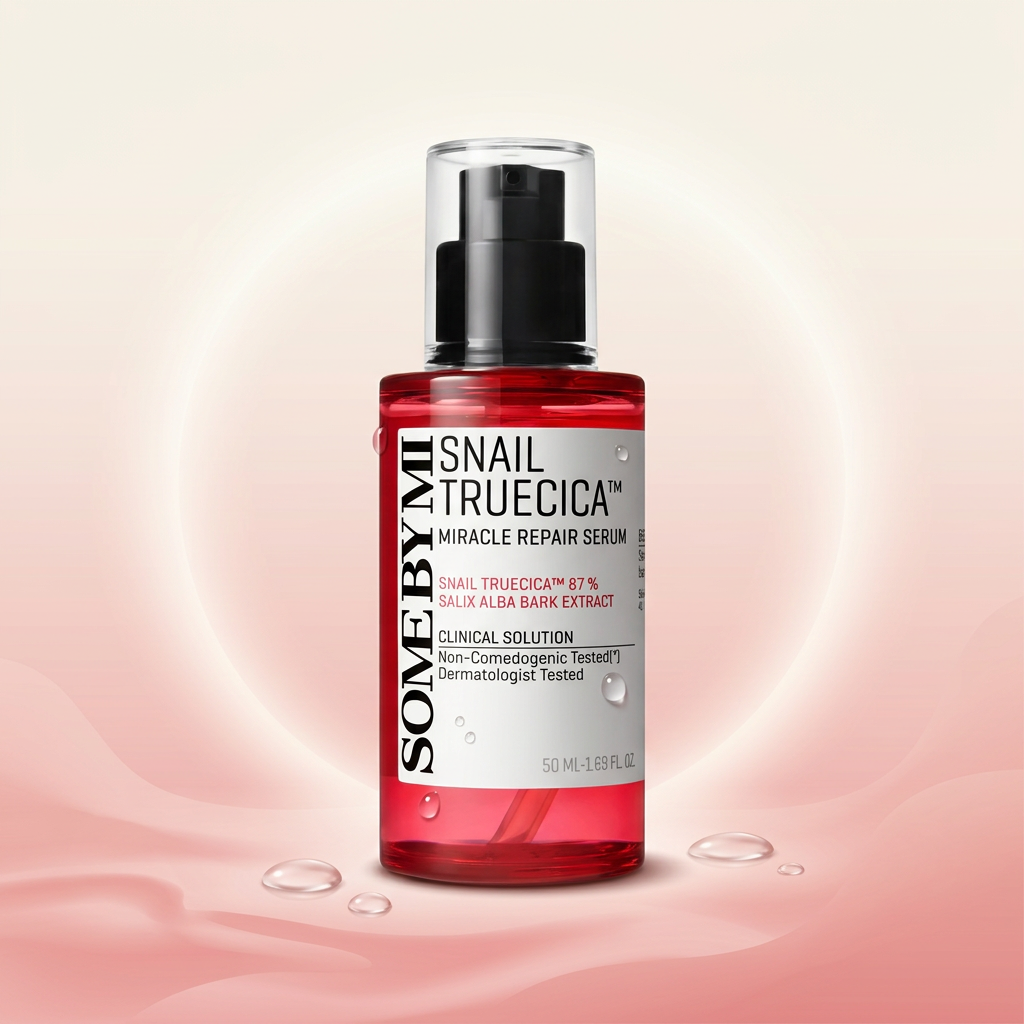
Best for acne and oily skin: Some By Mi Snail Truecica Miracle Repair Serum
Snail mucin plus centella, with low-dose niacinamide. Targets active acne and the marks left behind in the same step.
Lightweight, watery, layers under any moisturizer.
Around 22 to 28 EUR for 50 ml.
Best for: acne-prone, oily, post-breakout skin.
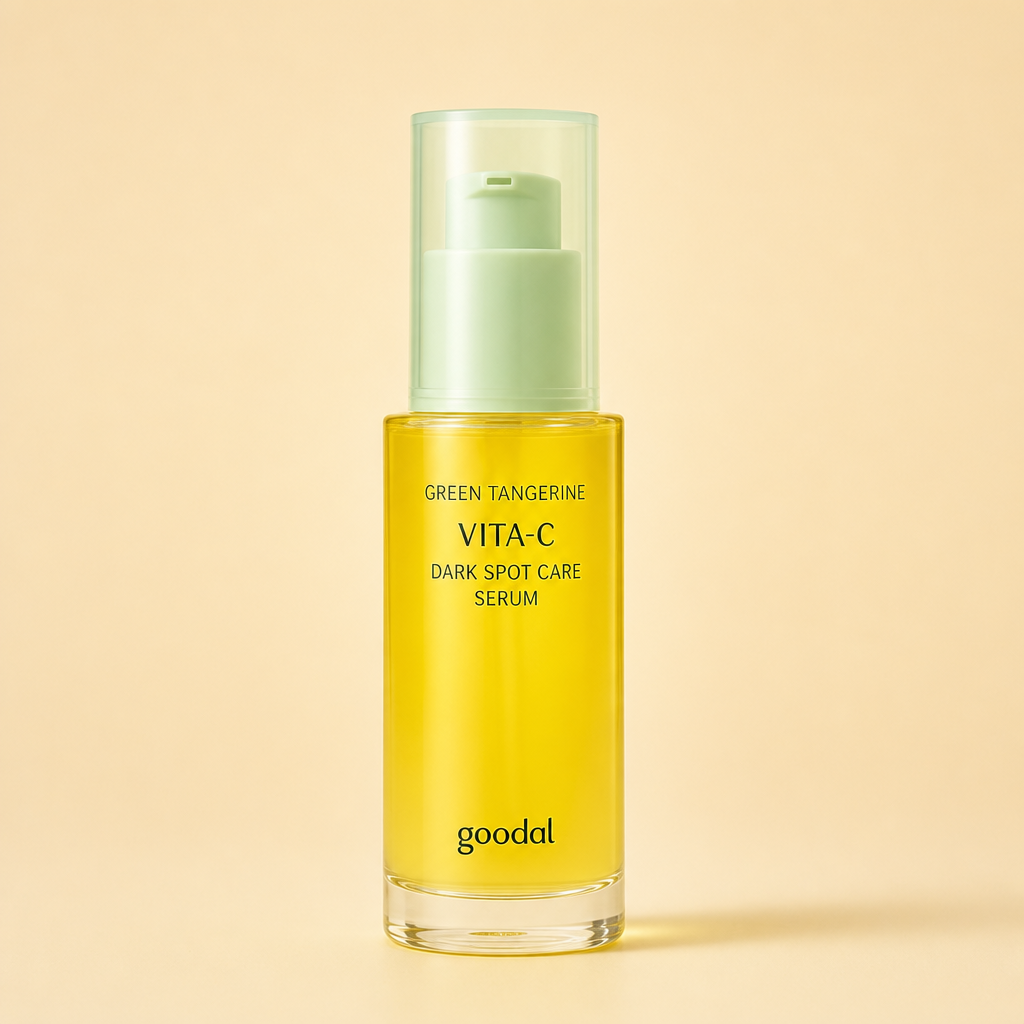
Best vitamin C: Goodal Green Tangerine Vita C Dark Spot Serum
70% green tangerine extract (a stable, gentle vitamin C derivative) with niacinamide.
Brightens without the sting or the orange oxidation of pure L-ascorbic acid.
Around 20 to 25 EUR for 40 ml.
Best for: sensitive skin who cannot tolerate 15% L-ascorbic acid, mild hyperpigmentation.
Best peptide and anti-aging: Medicube Collagen Niacinamide Multi Ampoule
Multi-peptide complex plus niacinamide. Visibly plumps fine lines over 6 to 8 weeks.
Pleasant gel-cream texture, layers cleanly under other treatments.
Around 30 to 38 EUR for 50 ml.
Best for: mature skin, early fine lines, loss of firmness.
How to layer Korean serums
One treatment serum per routine slot, two slots max (AM + PM).
Water-based serums (niacinamide, propolis, snail) layer comfortably. Oil-based or silicone-heavy serums go last.
Vitamin C in the morning, retinal at night is the cleanest split for ambitious routines.
Wait 60 seconds between layers so each absorbs.
Beyond the Big Four: Essential Soothing Ingredients
While niacinamide and vitamin C are fantastic for brightening, many Korean serums focus on calming and repairing the skin barrier. Centella Asiatica, often called 'cica', is a star player here. It's rich in active compounds like madecassoside, asiaticoside, and asiatic acid, which work together to reduce redness, soothe inflammation, and promote wound healing, making it a saviour for irritated or acne-prone skin.
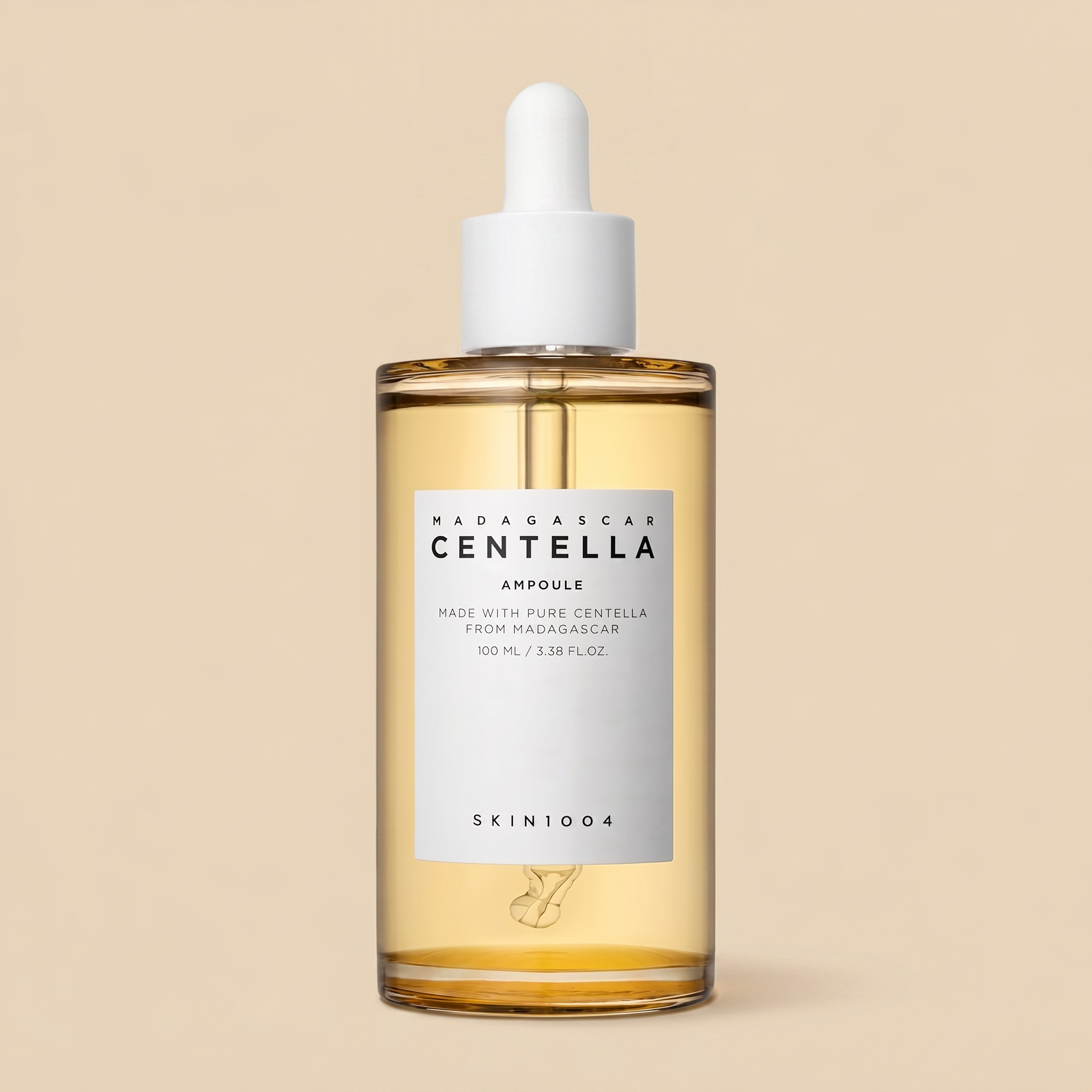
Look for cica in serums like SKIN1004's Madagascar Centella Ampoule, which contains 100% Centella Asiatica extract. These formulas are typically very gentle and can be layered with almost any other ingredient. They are excellent for providing a supportive base in your routine, helping your skin tolerate more powerful actives like retinoids or acids by strengthening its natural defences.
Another key soothing ingredient is Mugwort (Artemisia). Used for centuries in traditional Korean medicine, mugwort is packed with antioxidants and has anti-inflammatory properties. It helps to calm sensitivity, treat breakouts, and protect the skin from environmental damage. Serums like the 'I'm From Mugwort Essence' are wonderful for anyone experiencing hormonal acne or general skin reactivity. Its lightweight, watery texture sinks in beautifully, leaving skin feeling calm and hydrated.
Smart Application: How to Get the Most from Your Serum
How you apply your serum matters just as much as which one you choose. For optimal absorption, especially for hydrating serums containing hyaluronic acid, apply them to slightly damp skin. After cleansing and toning, leave your face with a little moisture or use a facial mist, then immediately apply your serum. This gives the humectants in the formula water to hold onto, pulling hydration deeper into your skin.
Use a gentle patting or pressing motion instead of rubbing. Vigorously rubbing can cause friction and irritation, and it may lead to the product pilling, especially if you layer multiple products. Dispense two to three drops or one pump into your palm, warm it slightly between your hands, and then gently press it onto your face and neck. This technique encourages absorption without stressing the skin.
Give your serum a moment to sink in before moving to your moisturiser. A wait time of 30 to 60 seconds is usually sufficient. This small pause prevents products from mixing on the skin's surface and pilling. It also ensures each product can perform its specific job effectively a key step for getting the full benefit of each layer in your routine.
Understanding the Categories: Essence, Serum, and Ampoule
Navigating Korean skincare often means learning new terms, and 'essence', 'serum', and 'ampoule' can be confusing. The main differences are concentration and texture. Think of them as a spectrum of intensity, designed to be layered in a specific order to target skin concerns effectively. Following this order helps ensure each product can be absorbed properly.
Essences are the most lightweight, with a watery consistency. Their primary job is to deliver a first layer of hydration and prep the skin for what comes next, helping subsequent products absorb better. Serums are slightly more viscous and contain a higher concentration of active ingredients to target specific issues like dark spots or fine lines. Ampoules are the most concentrated of all, often considered a supercharged serum. They usually contain a very high percentage of a single key ingredient and are intended for short-term use as a booster treatment.
| Product Type | Typical Texture | Main Purpose | When to Use |
|---|---|---|---|
| Essence | Watery, thin | Hydrates and preps skin | After toner, before serum |
| Serum | Light lotion or gel | Targets specific concerns | After essence, before ampoule or moisturiser |
| Ampoule | Slightly thicker gel or oil | Intensive, targeted treatment | After serum, or mixed with a moisturiser |
Building a Serum Wardrobe for Different Needs
Just as you have clothes for different seasons, your skin can benefit from a 'serum wardrobe' that you rotate based on its needs. Your skin isn't the same every day. Factors like weather, hormones, and stress can change its condition. Having a few different serums on hand allows you to customise your routine for exactly what your skin is asking for.
A good place to start is with a time-based approach. Use an antioxidant serum, like vitamin C, in the morning to protect your skin from daily environmental stressors like UV rays and pollution. In the evening, switch to a repairing or regenerating serum containing peptides, snail mucin, or cica. Your skin's natural repair processes are most active at night, and these ingredients provide the necessary support for cell turnover and healing.
You can also adapt your serums seasonally. In the hot, humid summer months, you might prefer lightweight, oil-controlling serums with niacinamide or hydrating essences. During the cold, dry winter, your skin may crave richer, more nourishing formulas with ceramides or peptides to combat dryness and protect your skin barrier. Listening to your skin is the most important skill, so feel empowered to swap products as you see fit.
More serums worth trying
K-Secret Seoul 1988 Retinal Liposome Serum uses encapsulated retinal plus black ginseng, a gentler entry to retinal for smoothing texture and fine lines.
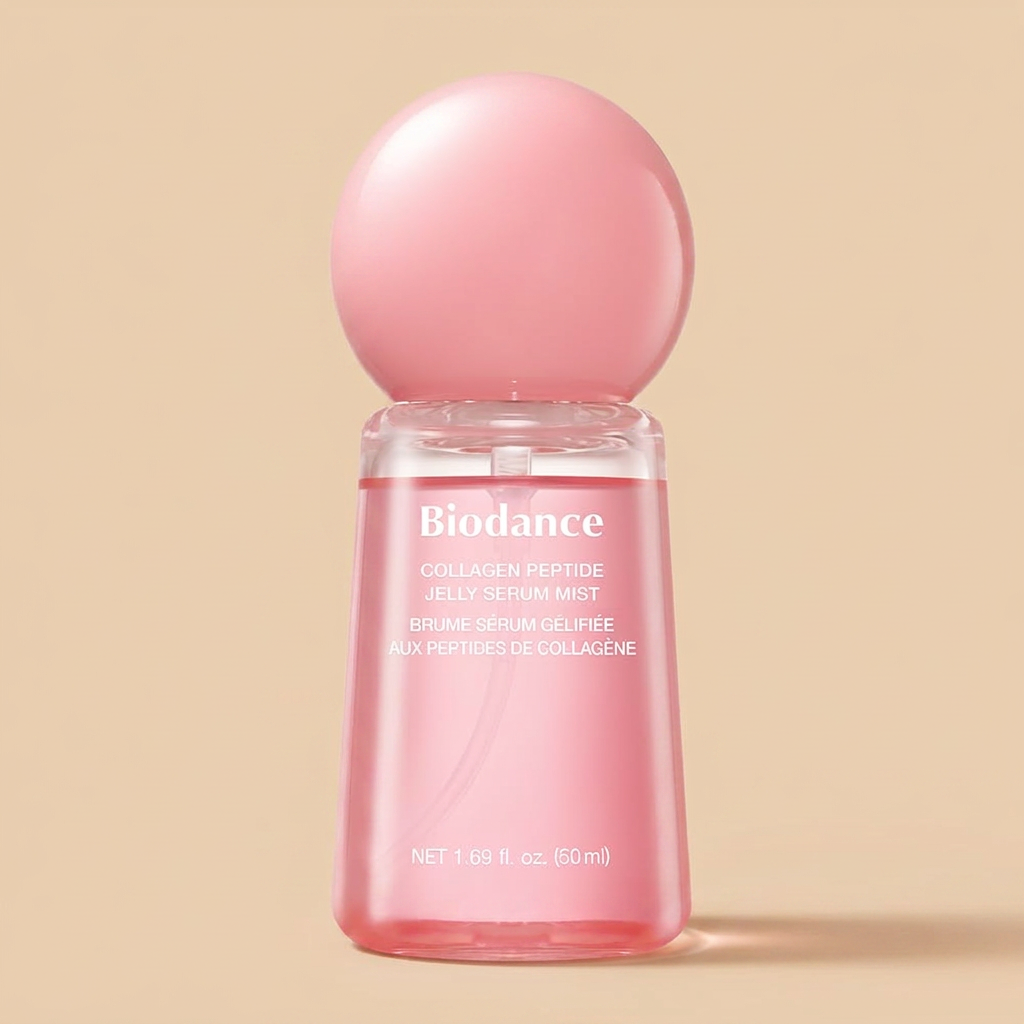
Biodance Collagen Peptide Jelly Serum Mist is a spray peptide serum that adds bounce and hydration without stickiness, easy to reapply through the day.
Purito Wonder Releaf Centella Serum Unscented is a fragrance-free calming pick for sensitive skin.
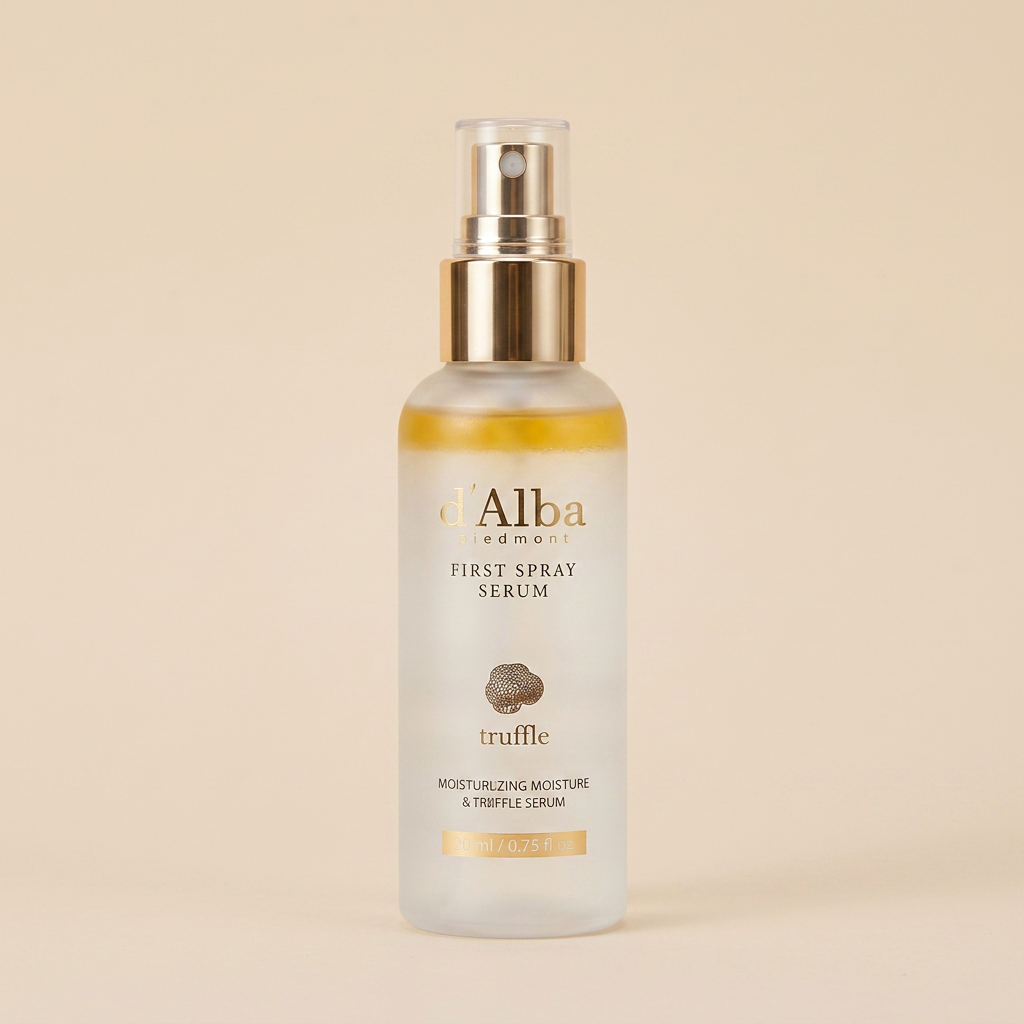
d'Alba First Spray Serum brings truffle extract and squalane in a mist format that layers well under any routine.
Reader favorites
The products from this guide our readers click most.
Swipe for more →
Reader favorite
Some By Mi Snail Truecica Miracle Repair Serum
Snail and centella complex for repair and post acne marks.
Reader favorite
COSRX Advanced Snail 96 Mucin Power Essence
The viral 96% snail mucin essence. Fades post-acne marks, hydrates, and supports barrier repair. Arguably the most-reviewed K-beauty product on Amazon.
Reader favorite
Goodal Green Tangerine Vita C Dark Spot Serum
Citrus derived vitamin C for sensitive skin and dark spots.
Reader favorite
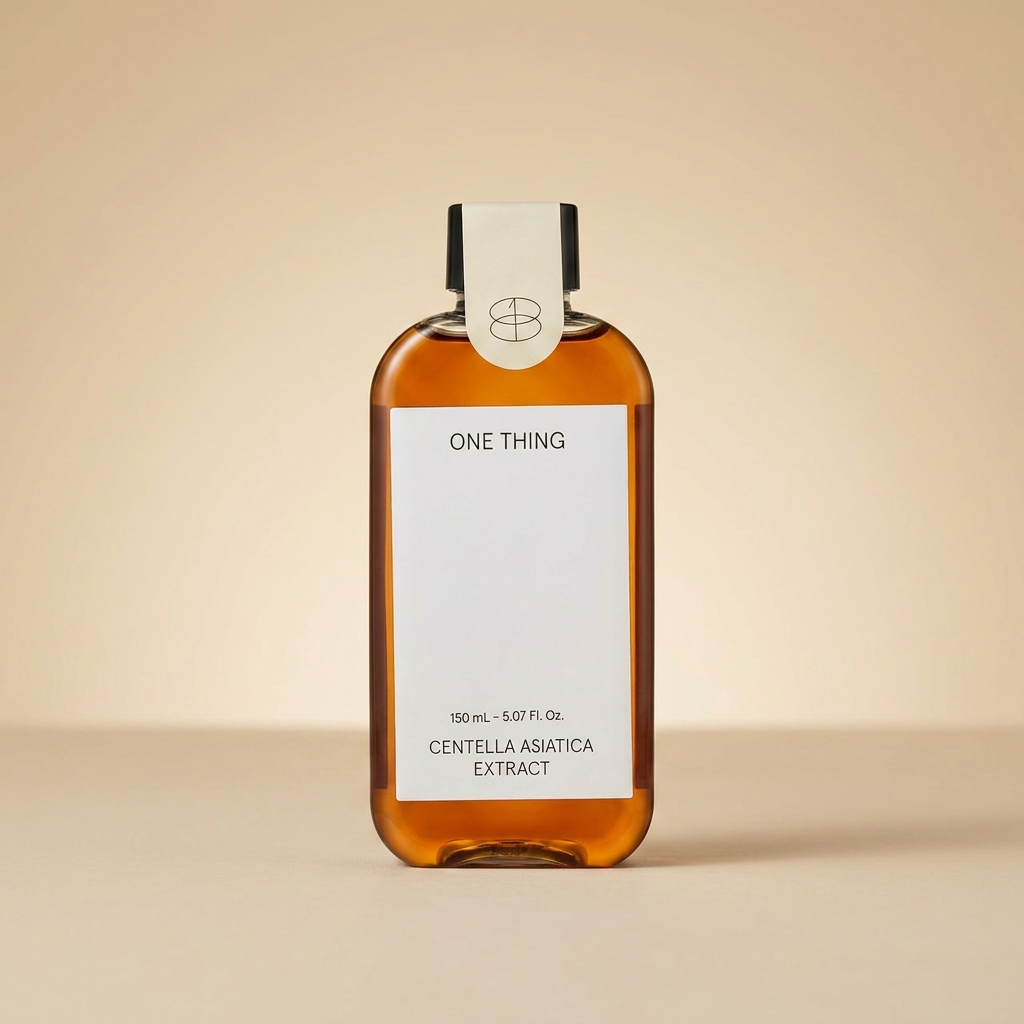
One Thing Centella Asiatica Extract
Single ingredient centella extract, used as toner, mist or essence booster.
Frequently asked
Products in this guide
Prices, ratings and short verdicts from our database, linked to the full product page.
Some By Mi
Snail Truecica Miracle Repair Serum
from €22.00
Snail and centella complex for repair and post acne marks.
Biodance
Biodance Collagen Peptide Jelly Serum Mist
A jelly-textured mist that layers collagen and peptides into a fine, hydrating veil for a plump, dewy finish any time of day.
COSRX
Advanced Snail 96 Mucin Power Essence
from €22.00
The viral 96% snail mucin essence. Fades post-acne marks, hydrates, and supports barrier repair. Arguably the most-reviewed K-beauty product on Amazon.
d'Alba Piedmont
d'Alba First Spray Serum
A cult double-layer mist-serum with Italian white truffle extract and squalane that hydrates and adds a soft glow, shake and spray for a quick pick-me-up any time of day.
Goodal
Green Tangerine Vita C Dark Spot Serum
from €22.00
Citrus derived vitamin C for sensitive skin and dark spots.
SKIN1004
Madagascar Centella Ampoule
from €20.00
100% Madagascar Centella Asiatica ampoule. One ingredient, one job: calm angry, reactive, breakout-prone skin.
One Thing
Centella Asiatica Extract
from €13.00
Single ingredient centella extract, used as toner, mist or essence booster.
Keep reading
Tool
Build your routine
Pick skin type, concern and budget. Get a step-by-step routine with real products.
Tool
Check ingredient conflicts
Safe to combine, separate AM/PM, or skip. Clear verdicts for any two ingredients.