
How to Layer Niacinamide and Retinol Without Irritation
Last updated 8 July 2026
The old internet myth said niacinamide and retinol cancel each other out. They do not. Modern dermatology agrees: niacinamide actually buffers retinol's irritation and supports the skin barrier. The trick is getting the layering order and concentration right.
The correct order: niacinamide first, retinol second
Cleanse and pat skin almost dry.
Apply niacinamide serum (5% is the sweet spot). Wait 1 to 2 minutes.
Apply retinol or retinal. Start with a pea-sized amount for the whole face.
Seal with moisturiser. A ceramide-rich one is ideal.
Niacinamide goes first because it is water-based and lighter. Retinol is oilier and more occlusive, so it sits well on top.
The buffering method (best for sensitive skin)
If retinol stings, sandwich it: moisturiser, then retinol, then moisturiser again. The niacinamide serum still goes first, before the first moisturiser layer.
This reduces irritation by about 40% in most users, with only a small drop in efficacy.
How often to use them together
Week 1 and 2: retinol twice a week, niacinamide nightly.
Week 3 and 4: retinol three times a week.
Week 5 onwards: increase to nightly if your skin is calm. If you see flaking or redness, drop back one step.
Niacinamide is safe to use morning and night, every day, indefinitely.
Common mistakes
Using both on freshly exfoliated skin. Wait a full day after AHA or BHA.
Layering vitamin C, niacinamide and retinol in the same routine. Move vitamin C to the morning.
Skipping moisturiser. The barrier needs help when you are using retinol.
Forgetting SPF the next morning. Retinol makes you more sun-sensitive.
The science of compatibility: pH, stability, and heat
Niacinamide does not turn into flushing nicotinic acid on your face. That conversion happens in lab conditions at very low pH, around 3 or below, and with heat. Most leave-on skincare sits near skin pH, roughly 4.5 to 5.5, and you apply it at room temperature. In this range, niacinamide remains niacinamide.
Retinol is also comfortable at skin-relevant pH. It is most stable between about pH 5 and 6.5, which is exactly where niacinamide serums and typical moisturisers live. Layering them does not push the pH out of range. What matters more is light and oxygen exposure, so packaging and storage are key.
Modern formulas improve the margin of safety with encapsulation and slow-release systems. You will see phrases like encapsulated retinol or polymer delivery in ingredient lists, which help keep retinol stable and temper the initial sting. Any optional wait time between niacinamide and retinol is for comfort, not chemistry.
Patch testing and a four-week build plan
Start with a two-step patch test. Night 1, apply your niacinamide to the jawline, then a pea-size of retinol spread very thin over a small cheek zone. Repeat on Nights 2 and 3. If you see only mild tightness or micro-flaking, proceed to full-face use. If you get hot redness or stinging that lasts into the next day, add a moisturiser buffer or drop frequency.
Here is a simple ramp-up calendar. Week 1, use the pair one night only. Week 2, use them two nights, spaced out. Week 3, move to three nights a week. Week 4, hold at three to four nights based on feel. Keep niacinamide on your off nights as a barrier support step.
Course-correct early. If flaking or burning lasts more than 48 hours, pause retinol for 3 to 5 days, focus on barrier care, then restart at the previous tolerated frequency. If you cannot reach once weekly without lingering irritation after two tries, switch to a lower retinoid strength or use the buffering method consistently.
Barrier-supportive pairings that make retinol easier
Look for moisturisers with a ceramide, cholesterol, and fatty acid blend, ideally near a 3 to 1 to 1 ratio, to replenish what retinoids deplete. Helpful soothers include panthenol at 2 to 5 percent, beta glucan around 0.5 to 1 percent, allantoin 0.1 to 0.5 percent, and ectoin 0.2 to 1 percent. Snail mucin essences at 80 to 96 percent can also boost hydration and reduce tightness without blocking actives.
A practical night layering flow for most skins is cleanse, hydrating toner or essence with humectants like glycerin and hyaluronic acid, niacinamide serum at 2 to 5 percent, a light layer of cream, then your pea-size retinol. If you are very sensitive, place a second thin layer of your cream over the retinol to sandwich it.
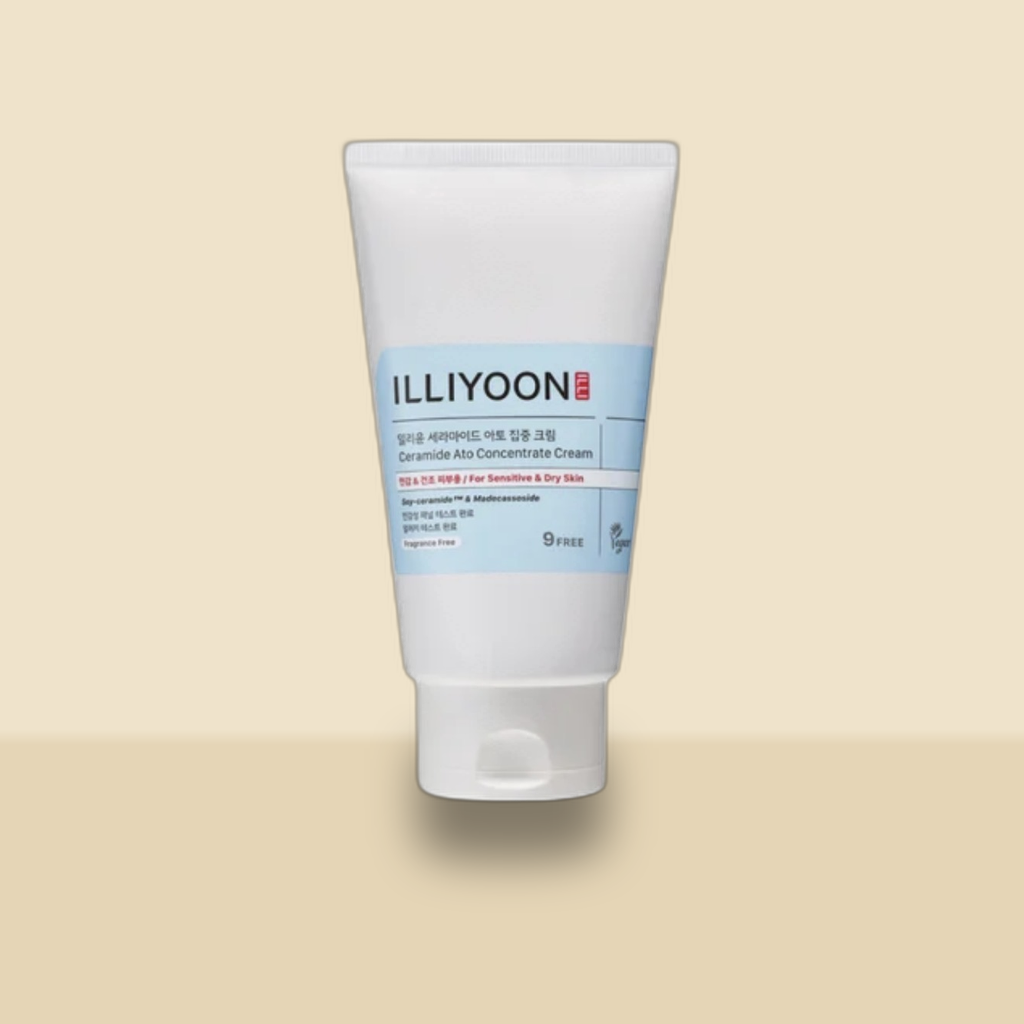
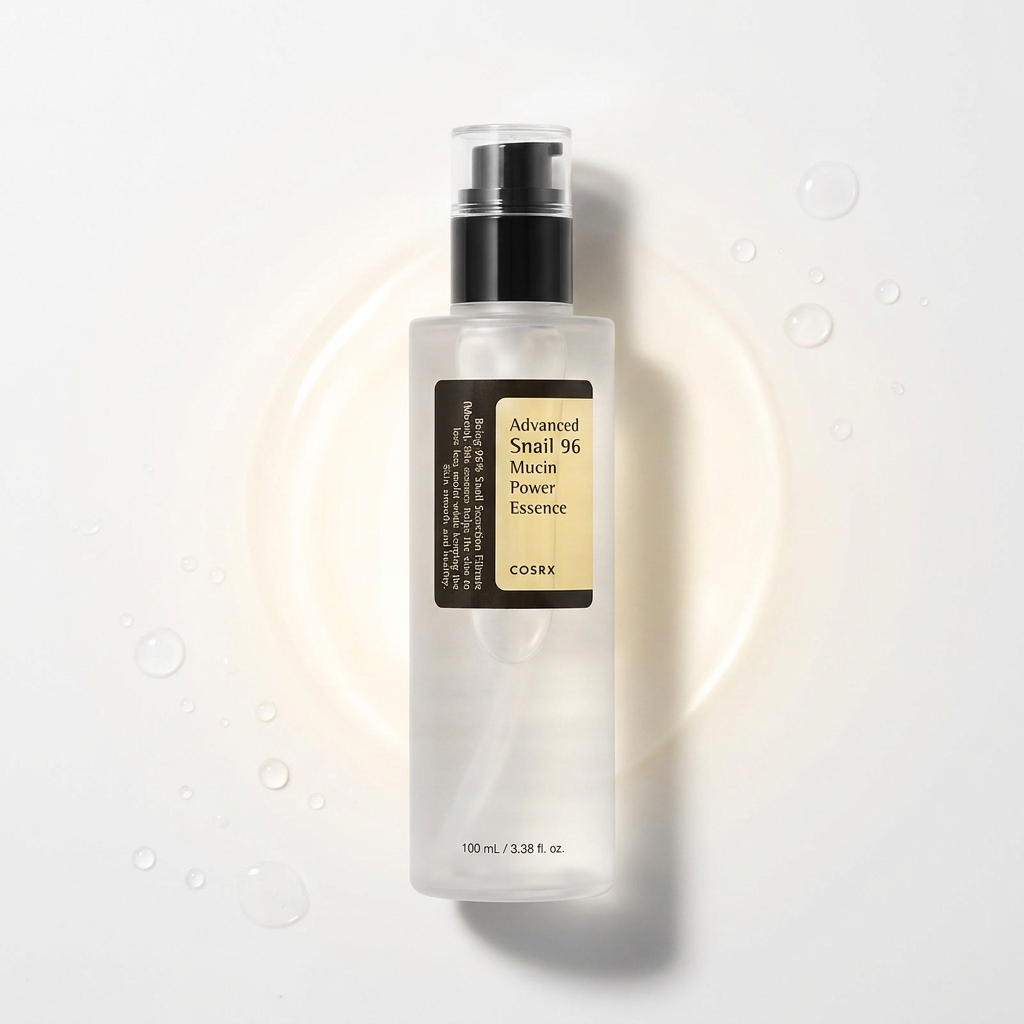
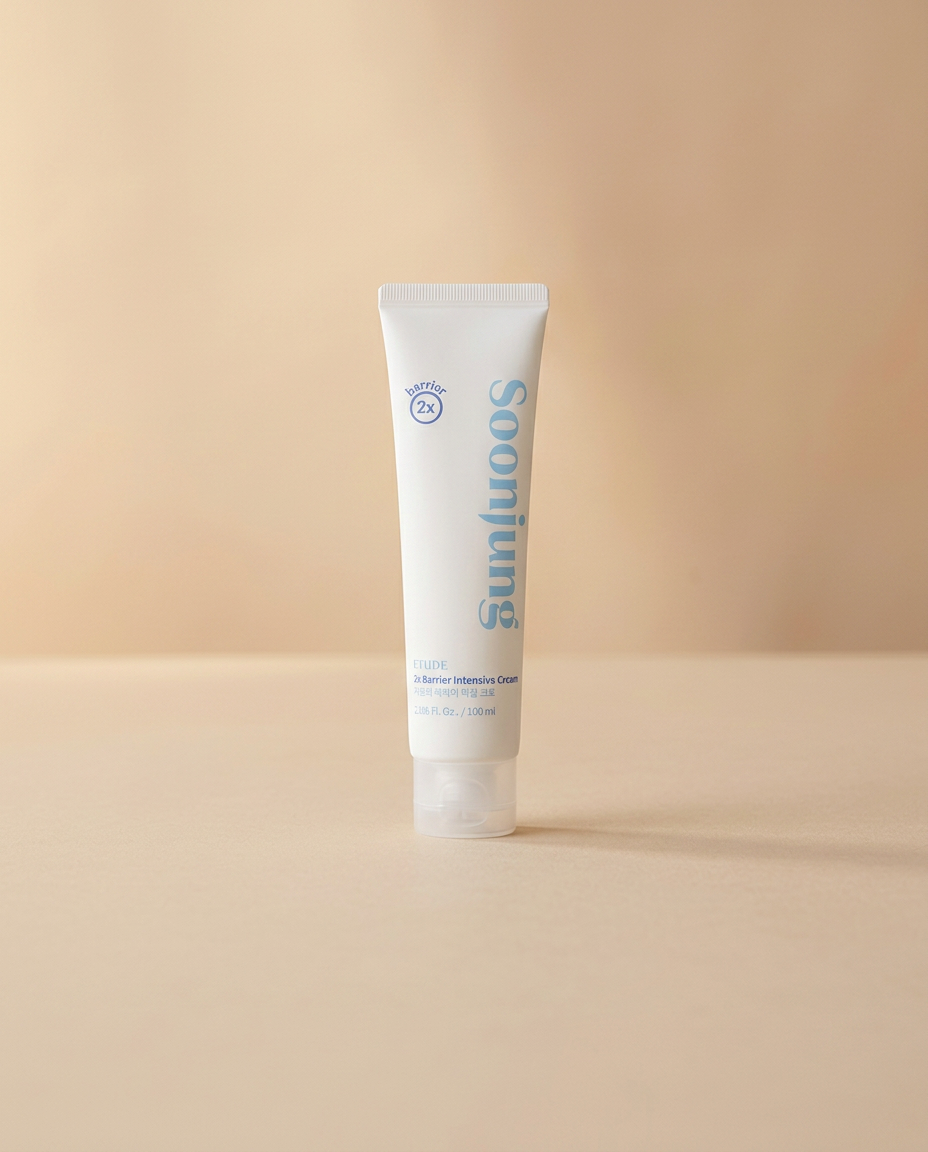
K-Beauty examples that play well here include Illiyoon Ceramide Ato Concentrate Cream for ceramide support, COSRX Advanced Snail 96 Mucin Power Essence for slip and hydration, and Etude SoonJung 2x Barrier Intensive Cream for panthenol and madecassoside. Pair one of these with your niacinamide step before retinol, then reassess your skin feel the next morning.
Climate and season: when to alter texture and timing
Humidity changes penetration. In humid weather, you can keep textures lighter with gel creams and skip heavy occlusives after retinol. In dry seasons or heated indoor air, swap to a richer cream and consider a thin occlusive layer, like a balm or a moisturiser that includes 5 to 10 percent petrolatum, as your very last step.
Adjust frequency by season. Many people tolerate three to four retinol nights in summer but prefer two to three in winter. If your cheekbones or around the mouth get flaky, reduce one retinol night and add a sleeping pack with beta glucan or panthenol on the night off.
Hot weather can amplify sting if you apply to damp or sweaty skin. Let skin dry fully after cleansing, wait a few minutes after your niacinamide, then apply retinol. An earlier evening application also helps you monitor any reaction before bed.
Choosing strengths: retinol, retinal, and Rx tretinoin with niacinamide
Match strength to tolerance and goals. As a starting point with niacinamide support, many do well with retinol at 0.1 to 0.3 percent, or retinal at 0.05 percent. If you use a prescription, tretinoin at 0.025 percent is a sensible entry. Keep niacinamide at 2 to 5 percent when pairing with these to minimise itch and dryness.
Potency context helps set expectations. Retinol converts to retinal, then to retinoic acid in skin, so it feels gentler and slower. Very roughly, retinol is about 10 to 20 times weaker than tretinoin, and retinal sits closer, around 2 to 3 times weaker than tretinoin. A 0.1 percent retinal can feel similar to about 0.025 percent tretinoin for many users, though individual response varies.
K-Beauty examples with transparent figures include Dr. Different Vitalift-A Cream at 0.05 percent retinal and Vitalift-A Forte at 0.1 percent retinal, both good companions to a 2 to 5 percent niacinamide serum. Innisfree Retinol Cica Repair Ampoule lists 0.02 percent retinol and suits very cautious beginners. Some eye-area products, like Beauty of Joseon Revive Eye Serum with a retinal liposome complex, use encapsulation and lower-release systems that can be kinder to thin skin, though the listed complex level is not equal to free retinal strength.
| Form | Typical OTC % in K-Beauty | Approx relative strength vs tretinoin | Notes |
|---|---|---|---|
| Retinol | 0.1–0.3% | 10–20x weaker | Two conversion steps, slower results, often easiest start |
| Retinal (retinaldehyde) | 0.05–0.1% | 2–3x weaker | One conversion step, faster than retinol, can tingle more |
| Tretinoin (Rx) | 0.025–0.05% | 1x (reference) | Prescription only, potent, pair with lower niacinamide |
Morning routine to back up the actives: antioxidants and SPF
AM niacinamide at 2 to 5 percent can reduce excess sebum and help fade uneven tone over 8 to 12 weeks. Add gentle antioxidants that sit well with niacinamide, like green tea extract rich in EGCG, or vitamin C derivatives such as sodium ascorbyl phosphate at 5 to 10 percent or 3-O-ethyl ascorbic acid at 3 to 15 percent. If you are reactive, start derivatives before trying low pH L-ascorbic acid.
Daily sunscreen locks in the gains from retinoids. Aim for SPF 50 with PA++++. Apply about two fingers of product for the face and reapply every 2 to 3 hours outdoors. K-Beauty options with elegant textures include Beauty of Joseon Relief Sun Rice + Probiotics SPF 50+, Round Lab Birch Juice Moisturizing Sun Cream SPF 50+, and Isntree Hyaluronic Acid Watery Sun Gel SPF 50+.
If makeup pills over sunscreen, let your niacinamide serum dry for 5 to 10 minutes before SPF. Switch to a gel or milk sunscreen base, and press it on rather than rubbing. A thin layer applied twice can set smoother than one heavy coat.
A gentler retinal to consider
K-Secret Seoul 1988 Retinal Liposome Serum uses encapsulated retinal plus black ginseng for a slower, more tolerable introduction to retinal, useful if straight retinol has been too harsh alongside niacinamide.
Reader favorites
The products from this guide our readers click most.
Swipe for more →
Reader favorite
ILLIYOON Ceramide Ato Concentrate Cream
Cult Korean ceramide barrier cream loved by dry/eczema-prone skin. Affordable, fragrance-free, deeply nourishing.
Reader favorite
COSRX Advanced Snail 96 Mucin Power Essence
The viral 96% snail mucin essence. Fades post-acne marks, hydrates, and supports barrier repair. Arguably the most-reviewed K-beauty product on Amazon.
Reader favorite
Etude House SoonJung 2x Barrier Intensive Cream
10% panthenol + madecassoside cream for reactive, post-procedure, or barrier-compromised skin.
Frequently asked
Products in this guide
Prices, ratings and short verdicts from our database, linked to the full product page.
ILLIYOON
Ceramide Ato Concentrate Cream
from €19.00
Cult Korean ceramide barrier cream loved by dry/eczema-prone skin. Affordable, fragrance-free, deeply nourishing.
COSRX
Advanced Snail 96 Mucin Power Essence
from €22.00
The viral 96% snail mucin essence. Fades post-acne marks, hydrates, and supports barrier repair. Arguably the most-reviewed K-beauty product on Amazon.
Etude House
SoonJung 2x Barrier Intensive Cream
from €18.00
10% panthenol + madecassoside cream for reactive, post-procedure, or barrier-compromised skin.
Keep reading
Tool
Build your routine
Pick skin type, concern and budget. Get a step-by-step routine with real products.
Tool
Check ingredient conflicts
Safe to combine, separate AM/PM, or skip. Clear verdicts for any two ingredients.