Best Korean Toners 2026: Hydrating, Exfoliating and Calming Picks
Last updated 21 June 2026
Korean toners look nothing like the astringent toners your mum used in the 90s. They are watery hydrating essences in disguise, often packed with humectants, ferments, or low-dose acids. Here are the best Korean toners worth using in 2026.
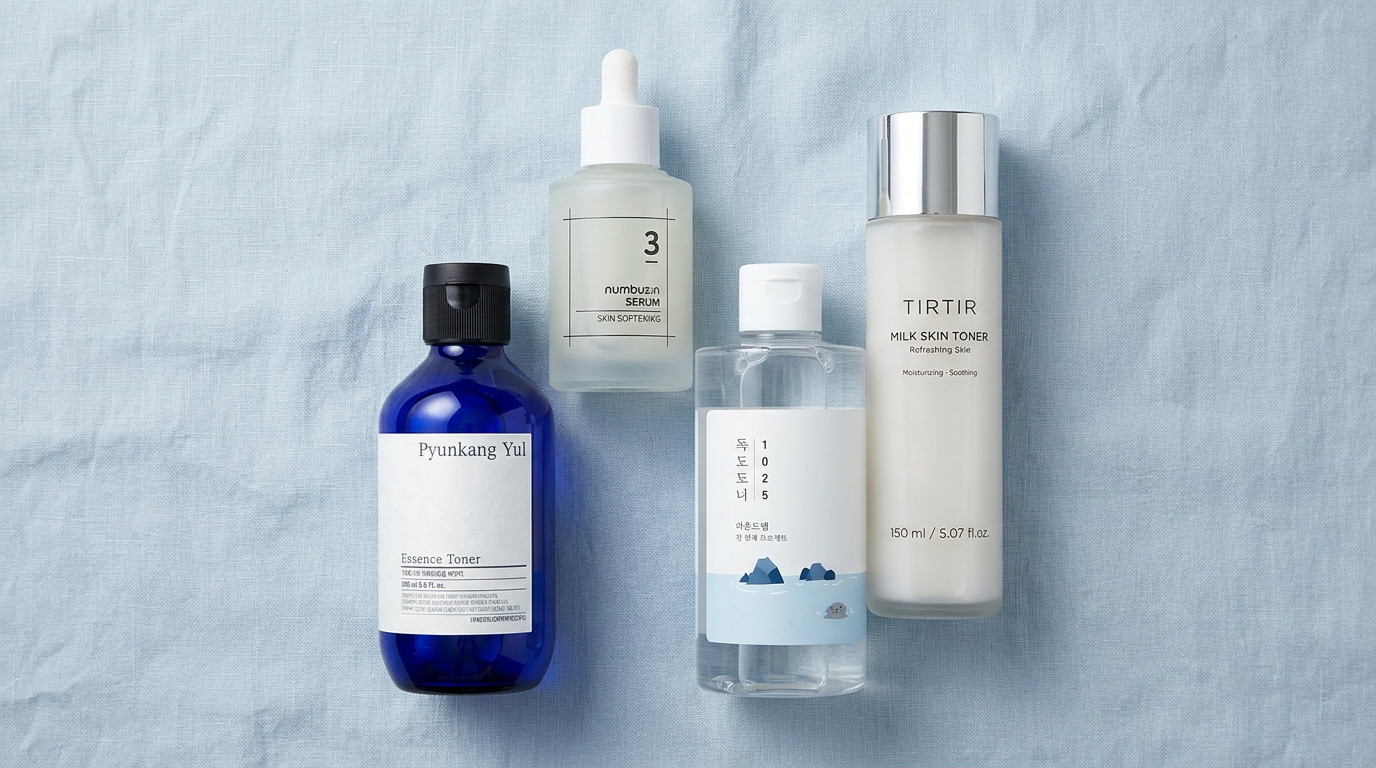
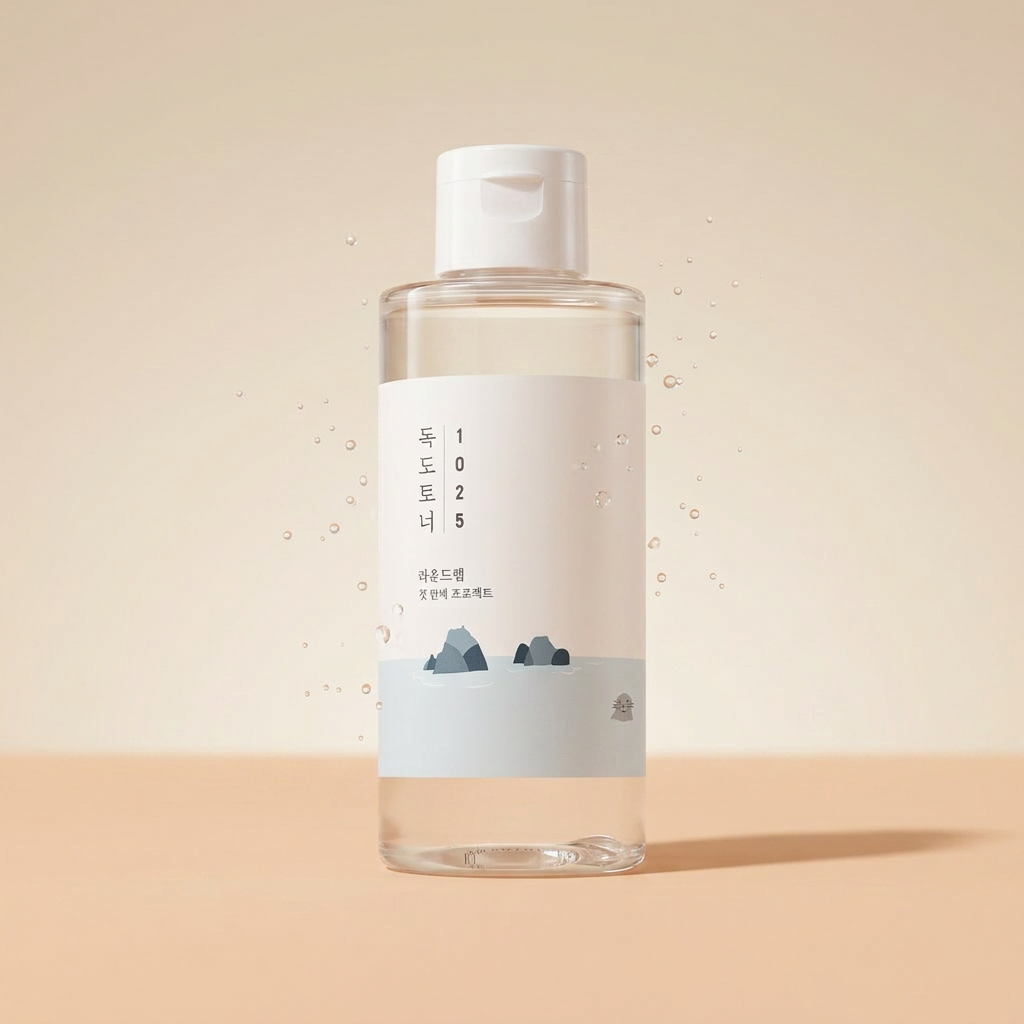
Best hydrating toner: Round Lab 1025 Dokdo Toner
Best for oily skin: Anua Heartleaf 77% Soothing Toner
77% Houttuynia cordata (heartleaf) extract. Lightly mattifying, calming, watery feel.
Reduces visible redness from active breakouts within hours.
Around 18 to 22 EUR for 250 ml.
Best for: oily, acne-prone, mildly congested skin.
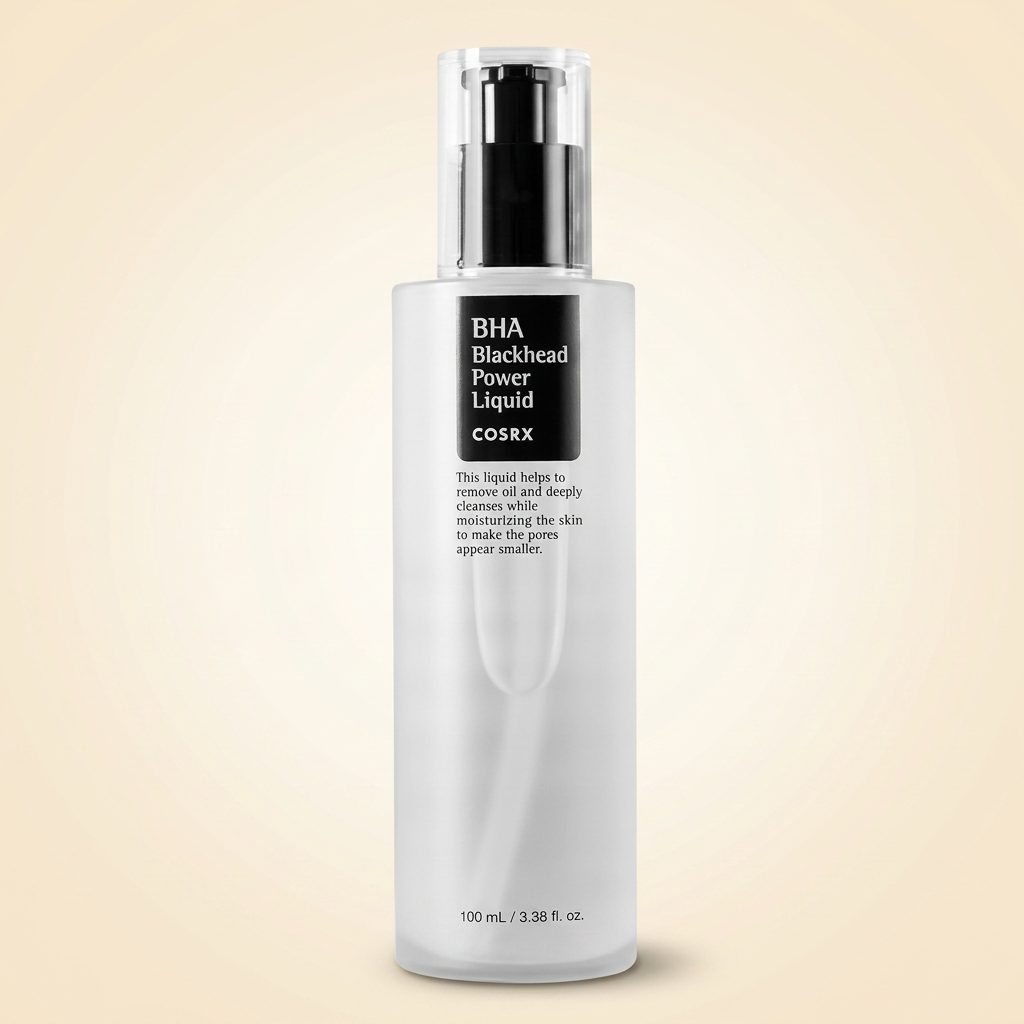
Best BHA exfoliating toner: COSRX BHA Blackhead Power Liquid
4% betaine salicylate (a gentle BHA equivalent to about 1.5% salicylic acid). Clears clogged pores without the sting of standard BHA.
Use 3 to 5 nights a week, not daily.
Around 22 to 28 EUR for 100 ml.
Best for: clogged pores, blackheads, congested oily skin.
Best for sensitive skin: Pyunkang Yul Essence Toner
Coptis japonica root extract (91%) plus a minimalist 7-ingredient formula. No fragrance, no essential oils, no alcohol.
Watery essence feel, layers comfortably under any serum.
Around 14 to 18 EUR for 200 ml.
Best for: sensitive, reactive, redness-prone, pregnancy-safe routines.
Best niacinamide toner: Numbuzin No.3 Skin Softening Serum Toner
Niacinamide, ferments, peptides and milk extract in a slip-textured toner.
Softens texture and visibly evens tone over 4 to 6 weeks.
Around 24 to 30 EUR for 200 ml.
Best for: dullness, uneven texture, mature skin.
How to use a Korean toner
Apply with hands, not a cotton pad. Pads waste 30 to 50% of the product.
Pat (do not rub) 3 to 5 drops onto damp skin straight after cleansing.
Layer two to three times for the Korean 7-skin method on very dry days.
Wait 30 seconds before the next product.
Beyond Hydration: The Role of Ferments in Toners
Many popular Korean toners get their glow-boosting power from fermented ingredients. These are not live cultures, but nutrient-dense broths created when yeast or bacteria break down a raw ingredient like rice, soybeans, or ginseng. This fermentation process makes molecules smaller and more easily absorbed by the skin.
The magic of fermentation is that it creates brand new, skin-loving compounds. Things like amino acids, vitamins, and antioxidants become more concentrated and potent than they were in their original state. Ingredients like Galactomyces Ferment Filtrate (a byproduct of sake fermentation) and Bifida Ferment Lysate are renowned for their ability to brighten tone, improve texture, and strengthen the skin barrier.
While ferments are a fantastic addition for many, they are not a universal solution. For some people, particularly those with fungal acne (Malassezia folliculitis), certain ferments can occasionally cause breakouts. As the team at KABEAU always advises, it is wise to introduce any new active ingredient slowly and patch test first, especially if you have reactive skin.
Decoding Acid Toners: AHA, BHA, and PHA
Exfoliating toners use chemical exfoliants to clear away dead skin cells, helping with concerns from dullness to breakouts. The three main families you will see are AHAs, BHAs, and PHAs. Understanding the difference is the key to picking the right acid for your specific skin type and goals.
Alpha Hydroxy Acids (AHAs) are water-soluble and work on the surface of your skin. Glycolic acid and lactic acid are common examples. They are excellent for sloughing off dead cells that cause dullness, improving skin texture, and softening the look of fine lines. This makes them a great choice for normal, dry, or sun-damaged skin.
Beta Hydroxy Acid (BHA) is oil-soluble, which is its superpower. Salicylic acid is the most common BHA and its oil-solubility allows it to penetrate deep into the pores to dissolve sebum and debris. This action makes it the top choice for treating blackheads, congestion, and breakouts, so it is ideal for oily and acne-prone skin types.
Polyhydroxy Acids (PHAs) are the gentle cousins of AHAs. Ingredients like gluconolactone and lactobionic acid have a larger molecule size, meaning they cannot penetrate as deeply. This results in very gentle, surface-level exfoliation with a much lower risk of irritation. As an added bonus, PHAs are also humectants, meaning they help hydrate the skin while they exfoliate. This makes them perfect for sensitive skin or anyone just starting with acids.
| Acid Type | Best For | Key Benefit |
|---|---|---|
| AHA (Glycolic, Lactic) | Dry, Sun-Damaged Skin | Surface Texture & Brightness |
| BHA (Salicylic Acid) | Oily, Acne-Prone Skin | Pore Clearing & Blackheads |
| PHA (Gluconolactone) | Sensitive, Dry Skin | Gentle Exfoliation & Hydration |
Toners for Your Budget: Smart Splurges and Savvy Saves
An effective toner does not need to be expensive, but it helps to know what you are paying for at each price point. You can find a fantastic formula whether you are looking to save, spend, or spurge. It is all about matching the product's focus to your skin's needs.
In the 'save' category (typically under £15), you will find brilliant, often jumbo-sized hydrating toners. These products focus on doing one job very well, delivering watery layers of hydration with simple, effective humectants like glycerin, butylene glycol, and sodium hyaluronate. The Naturie Hatomugi Skin Conditioner is a classic example of this high-value approach.
The 'spend' or mid-range tier (£15 to £30) is the sweet spot where most of the toners in our guide sit. Here, formulas become more complex, incorporating targeted ingredients like Centella Asiatica for calming, ferments for brightening, or effective concentrations of exfoliating acids. You are paying for a multi-tasking product that addresses specific concerns beyond basic hydration.
In the 'splurge' category (over £30), you are investing in formulation elegance, textural refinement, and ingredient prestige. These toners often feature high concentrations of prized K-Beauty ingredients like ginseng root or proprietary fermented blends that take years to develop. A product like the Sulwhasoo Concentrated Ginseng Renewing Water EX offers a truly luxurious experience for those with a flexible budget.
The Toner-Serum Connection: How to Pair Them for Best Results
Think of your toner as the essential preparation step for what comes next. By making your skin damp and receptive, a toner helps the active ingredients in your serum penetrate more effectively. Thoughtful pairing can therefore help you get more from your routine and even mitigate potential irritation.
To amplify a brightening routine, use a hydrating toner before your vitamin C serum. A toner rich in hyaluronic acid or panthenol will flood the skin with moisture, creating the ideal environment for the vitamin C to do its work. This buffer of hydration can also reduce the tingling sensation some people experience with L-ascorbic acid.
If you are using a powerful ingredient like retinol, a calming toner is an invaluable ally. Applying a toner packed with soothing ingredients like Centella Asiatica, Madecassoside, or Beta-Glucan beforehand helps to support your skin barrier. This simple step can make the retinization process much smoother and more comfortable.
For an intensive hydration boost, pair a multi-molecular weight hyaluronic acid toner with a ceramide serum. The toner works by pulling moisture into various layers of the skin. Following up with a ceramide serum helps to lock all that hydration in by strengthening your skin's natural lipid barrier, preventing water from escaping.
Reader favorites
The products from this guide our readers click most.
Swipe for more →
Reader favorite
COSRX BHA Blackhead Power Liquid
Betaine Salicylate (BHA-equivalent) liquid that clears blackheads and refines pores. K-beauty bestseller for oily skin.
Reader favorite
Round Lab 1025 Dokdo Toner
Mineral-rich deep-sea-water toner that hydrates and rebuilds a stressed barrier. A go-to entry K-beauty hydrating toner.
Frequently asked
Products in this guide
Prices, ratings and short verdicts from our database, linked to the full product page.
COSRX
BHA Blackhead Power Liquid
from €20.00★ 3.8 (41)
Betaine Salicylate (BHA-equivalent) liquid that clears blackheads and refines pores. K-beauty bestseller for oily skin.
Pyunkang Yul
Essence Toner
from €18.00★ 4.4 (7)
Slip-on hybrid of toner and essence with one hero ingredient.
Round Lab
1025 Dokdo Toner
from €19.00
Mineral-rich deep-sea-water toner that hydrates and rebuilds a stressed barrier. A go-to entry K-beauty hydrating toner.
Keep reading
Tool
Build your routine
Pick skin type, concern and budget. Get a step-by-step routine with real products.
Tool
Check ingredient conflicts
Safe to combine, separate AM/PM, or skip. Clear verdicts for any two ingredients.