
Exosomes in skincare: the trend after PDRN, explained honestly
Last updated 20 September 2026
If PDRN was the K-Beauty ingredient of early 2026, exosomes are the one arriving in the second half. Korean clinics apply them after lasers and microneedling, Korean brands print "exosome" on ampoules, and prices range from 25 euros on Amazon.de to several hundred per clinic session. The science underneath is real and exciting, the products on the shelf are mostly something else wearing the same name. This guide explains the difference, what EU law allows, what the studies show, and how to read an exosome product before you buy it.
What an exosome actually is
Exosomes are tiny vesicles, roughly 30 to 150 nanometres, that cells release to talk to each other. They carry proteins, lipids and RNA fragments and can change how a receiving cell behaves. In wound and skin research the interesting ones come from mesenchymal stem cells (fat, bone marrow, umbilical cord), because they seem to carry the "repair" signal without the cell itself.
The field's own umbrella term is extracellular vesicles (EVs). "Exosome" is used loosely in beauty for any EV, and even for things that are not vesicles at all.
Two things follow from the biology. First, exosomes are living material's message, so source, purity and dose matter enormously. Second, they are fragile: they degrade with heat, time and repeated freeze thaw, which is a problem for anything sitting in a bathroom cabinet.
The three kinds of "exosome" you will meet
On an INCI list none of these is called "exosome". You will see the plant name plus "callus culture extract" or "extracellular vesicles", or "Lactobacillus ferment lysate". If the label says exosome and the INCI does not, the ingredient is marketing.
| Type | Source | Where it appears | Evidence |
|---|---|---|---|
| Human stem cell derived exosomes | Cultured human cells (adipose, umbilical cord) | Clinics in Korea and the US, applied topically after procedures | Small clinical studies, promising for post laser healing and acne scars |
| Plant derived vesicles ("phyto exosomes") | Rose, ginseng, centella, edelweiss cell cultures | Most K-Beauty ampoules and many clinic kits sold in the EU | Mostly in vitro; no trials showing they act like human exosomes |
| Bacterial vesicles / ferment lysates | Lactobacillus, Bifida ferments | Ferment essences, some "microbiome exosome" products | In vitro barrier and soothing data; long safe use as ferments |
What EU law says, and why it matters for you
The EU Cosmetics Regulation (1223/2009, Annex II) prohibits cells, tissues or products of human origin in cosmetics. Human stem cell exosomes therefore cannot legally be in a cream, serum or ampoule sold in Germany, Austria or (via harmonised rules) Switzerland.
Plant and bacterial derived vesicles are allowed as cosmetic ingredients. That is why virtually every exosome product you can buy in the DACH region (Germany, Austria and Switzerland) is plant or ferment based, whatever the marketing implies.
In clinics, exosome preparations are used as topical adjuncts after microneedling or laser. They are not approved as injectables anywhere in the EU or in Korea, and injecting them is off label at best. If a studio offers "exosome injections", walk out.
What the evidence shows
Human adipose derived stem cell exosomes: a small split face randomised study in acne scar patients found faster recovery and less redness when applied after fractional CO2 laser, with a modest extra improvement in scars. Several case series report similar post procedure benefits. These are early, small, and mostly from a handful of Korean centres and manufacturers.
Plant vesicles: laboratory studies show antioxidant and soothing effects and, in some, increased collagen related gene expression in cultured fibroblasts. That is a normal profile for a good botanical extract. Nothing yet shows they cross intact skin or act as signalling vesicles on human skin.
Bottom line: the exciting exosome data is about human cell products applied to freshly opened skin in a clinic. The product on Amazon.de is a plant or ferment extract in a nice ampoule. It can still be a good soothing, hydrating serum. It is not the thing in the studies.
How to read an exosome product
Check the INCI for the actual source: a plant name plus callus culture extract or extracellular vesicles, or a ferment lysate.
Look for a stated particle count or concentration. Most brands give none. A number is a small trust signal, not proof of effect.
Formats matter. Lyophilised powder mixed with a liquid right before use (the two chamber clinic kits) keeps vesicles more stable than a ready mixed serum standing on a shelf for a year.
Judge the rest of the formula. Many exosome ampoules carry peptides, niacinamide, panthenol or PDRN. Those are doing the visible work, and they are the reason to buy or skip the bottle.
Fragrance free is still the first filter for sensitive and atopic skin. Several exosome ampoules are, which makes them reasonable post procedure or winter barrier options.
Exosomes vs PDRN vs peptides: which one for what
PDRN: best supported for wound repair when injected; as a serum a gentle hydrating and calming step. See our PDRN guide.
Exosomes: best supported as a clinic adjunct after laser and microneedling; as a cosmetic, a botanical soothing serum.
Peptides: the most practical topical choice for fine lines and firmness, with better delivery data than either of the above.
If your budget covers one "regenerative" product, take a good peptide serum and spend the difference on sunscreen and a ceramide cream. If you already have clinic treatments planned, ask whether the practice uses an exosome or PDRN aftercare and which source it is.
Who might reasonably try one
People right after in clinic microneedling, peels or laser, as recommended by the practitioner.
Sensitive or atopic skin looking for a fragrance free soothing ampoule and happy to pay for a trendy name.
Anyone curious, with realistic expectations: hydration, glow and calm, over eight weeks.
Skip it if you want visible change in wrinkles, pigmentation or acne; the better documented ingredients are cheaper.
Exosome products available in the DACH region (Germany, Austria and Switzerland)
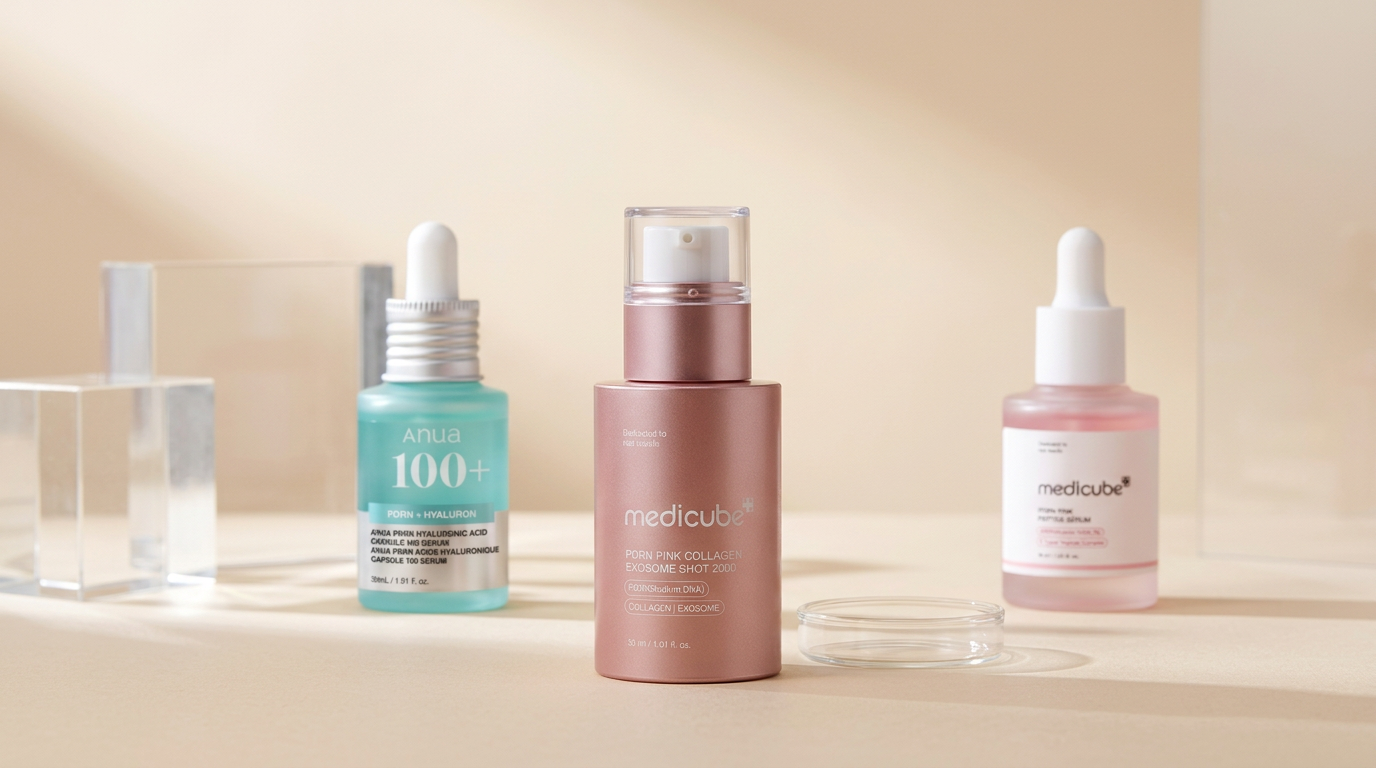
Medicube Exosome Shot 2000 Ampoule is the one with a plant based exosome claim that is reliably listed in Germany.
The honest alternatives named in section 6 are already in our catalog: COSRX The 6 Peptide Skin Booster Serum, Medicube PDRN Pink Peptide Serum and Anua PDRN Hyaluronic Acid Capsule 100 Serum.
Reader favorites
The products from this guide our readers click most.
Swipe for more →
Reader favorite
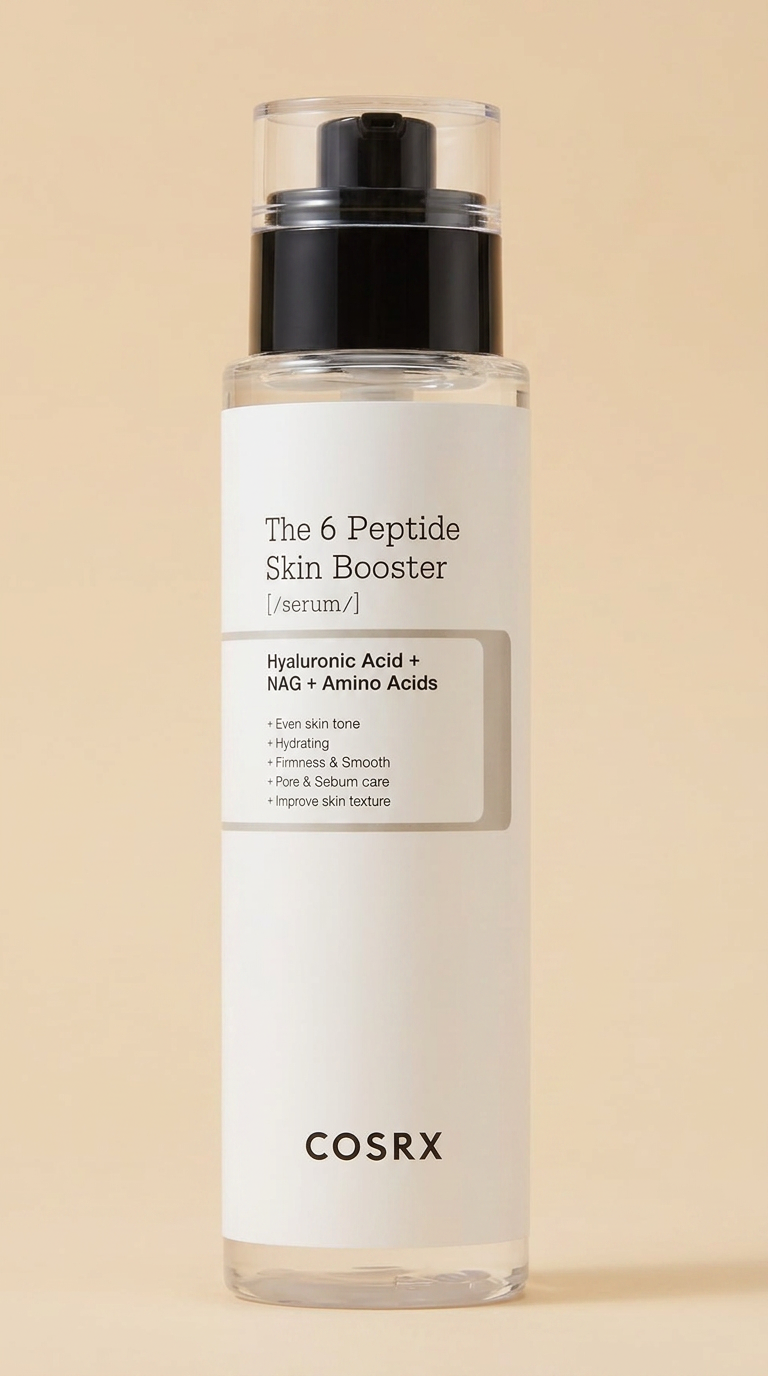
COSRX The 6 Peptide Skin Booster
A lightweight peptide serum from COSRX with hyaluronic acid, NAG and amino acids. Targets firmness, hydration, even tone and refined texture in one step.
Reader favorite
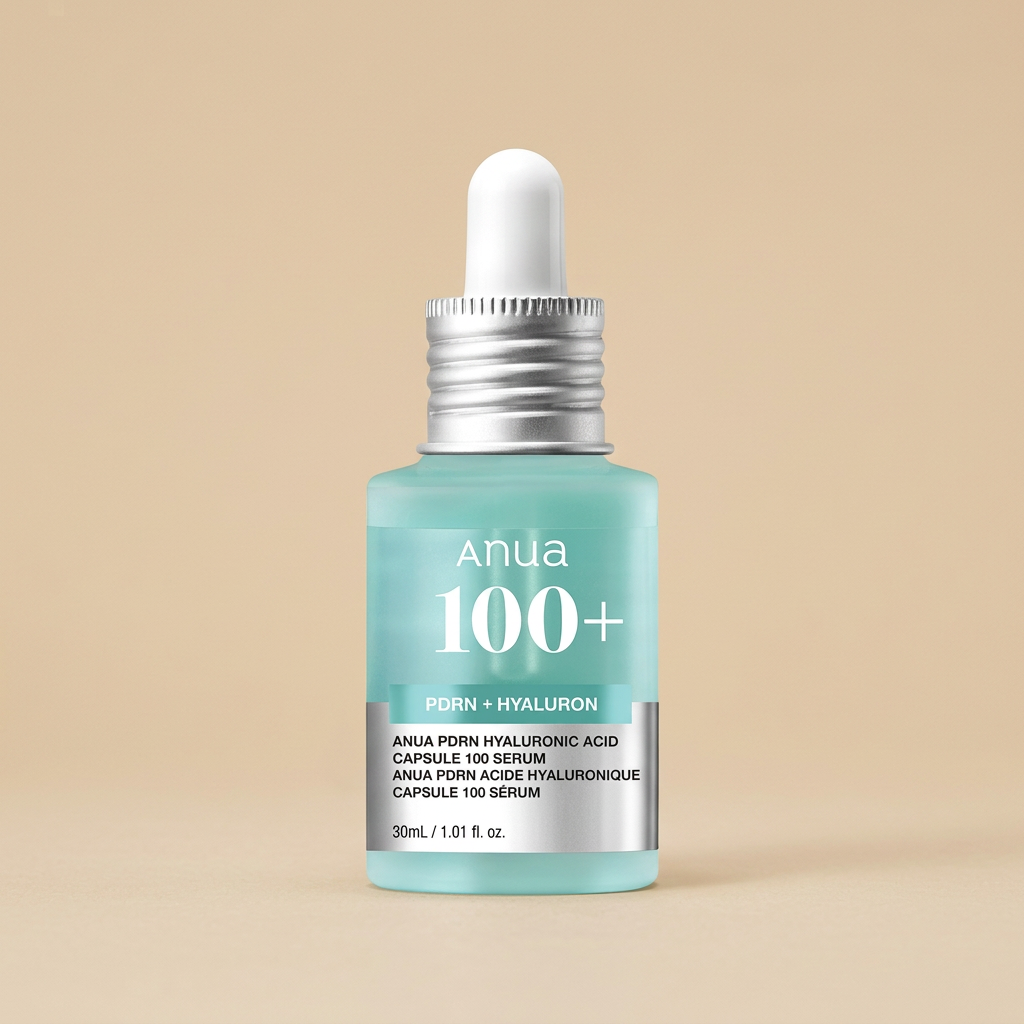
Anua PDRN Hyaluronic Acid Capsule 100 Serum
A lightweight PDRN serum from Anua that pairs salmon-derived sodium DNA with multi-weight hyaluronic acid. Positioned as a hydration and recovery step for skin that looks tired, dehydrated or less bouncy than usual.
Reader favorite
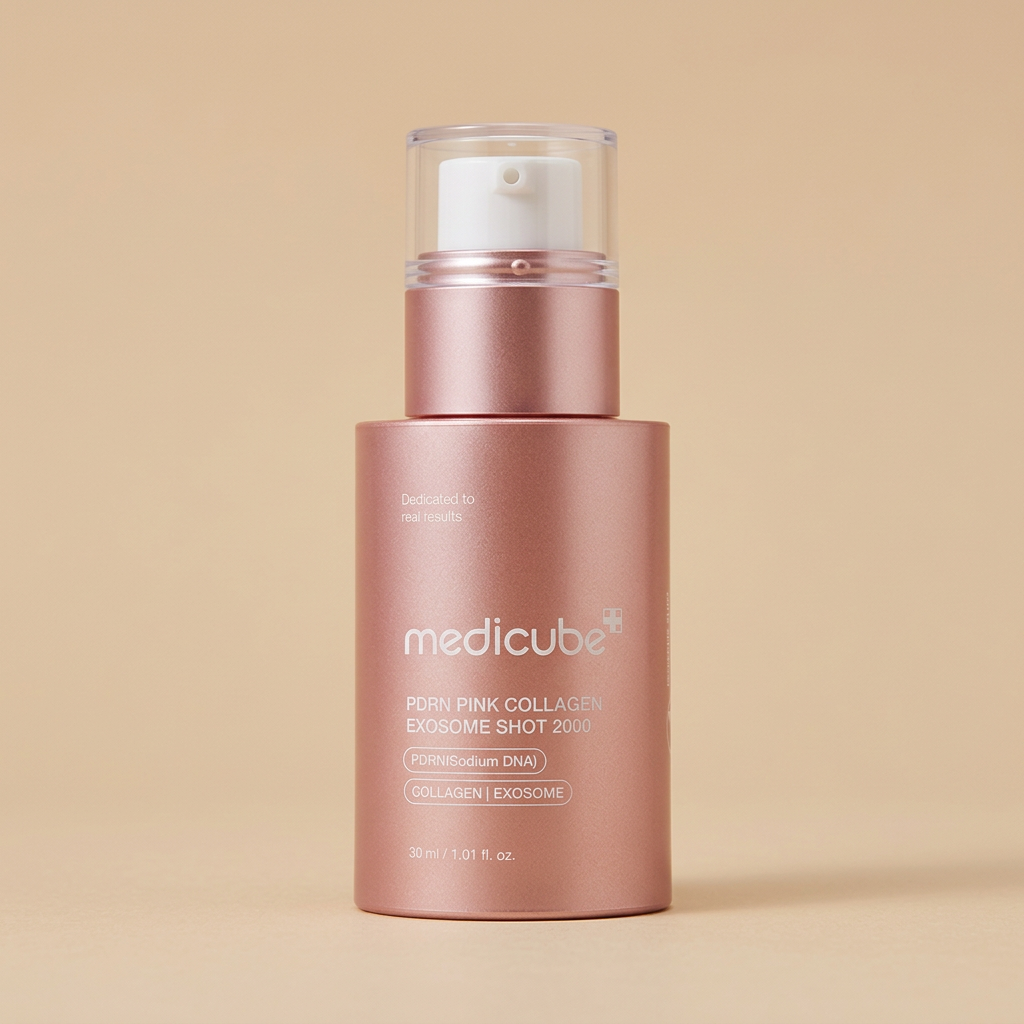
Medicube Medicube Exosome Shot 2000 Ampoule
Ampoule built around a plant based exosome claim. Read it as a soothing, hydrating serum and judge it by the peptides and humectants around the claim.
Frequently asked
Products in this guide
Prices, ratings and short verdicts from our database, linked to the full product page.
COSRX
The 6 Peptide Skin Booster
A lightweight peptide serum from COSRX with hyaluronic acid, NAG and amino acids. Targets firmness, hydration, even tone and refined texture in one step.
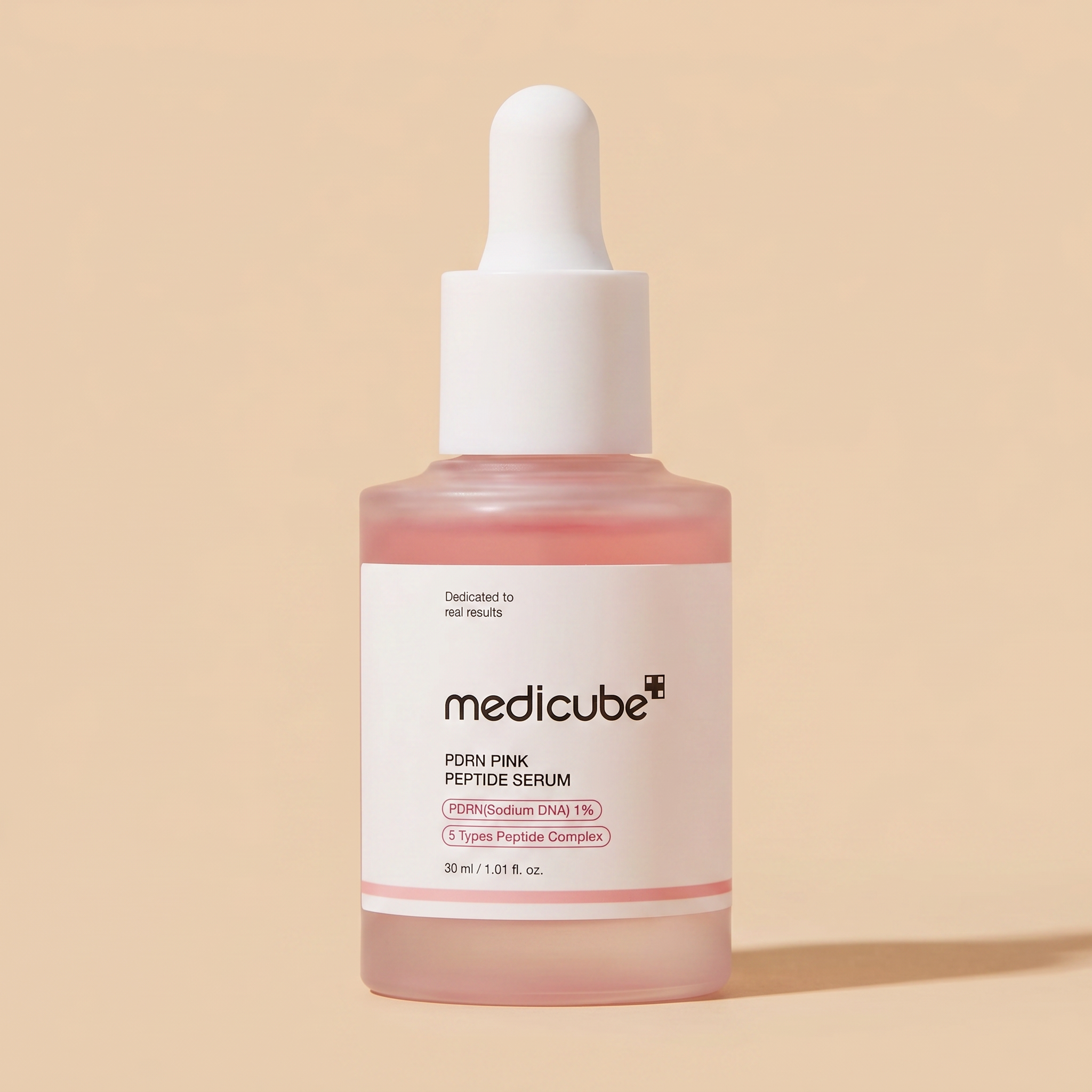
Medicube
PDRN Pink Peptide Serum
A viral pink peptide serum from Medicube featuring 1% PDRN (Sodium DNA) and a 5-peptide complex to firm, calm and refine the skin barrier.
Anua
PDRN Hyaluronic Acid Capsule 100 Serum
A lightweight PDRN serum from Anua that pairs salmon-derived sodium DNA with multi-weight hyaluronic acid. Positioned as a hydration and recovery step for skin that looks tired, dehydrated or less bouncy than usual.
Medicube
Medicube Exosome Shot 2000 Ampoule
Ampoule built around a plant based exosome claim. Read it as a soothing, hydrating serum and judge it by the peptides and humectants around the claim.
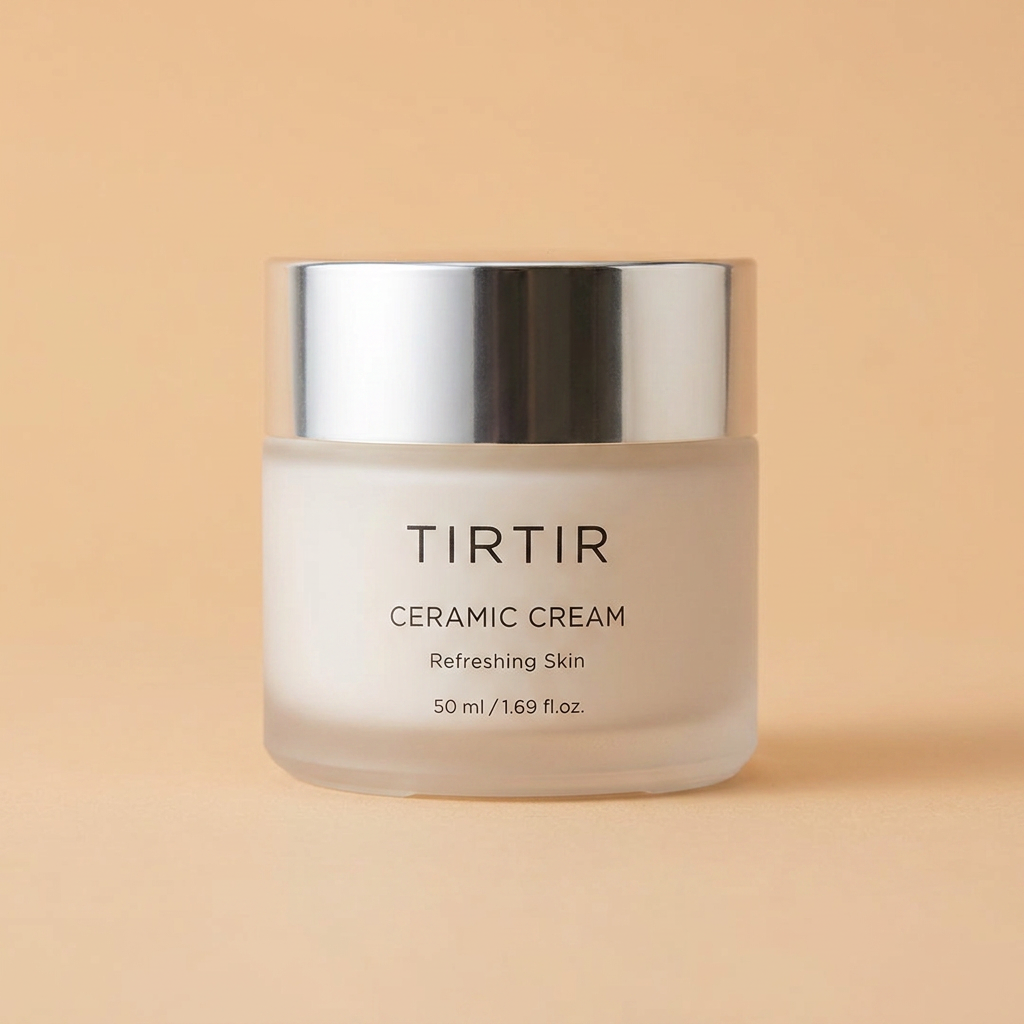
TIRTIR
Ceramide Cream
from €25.00
Barrier focused cream with ceramides and panthenol, lightweight but nourishing.
Keep reading
Tool
Build your routine
Pick skin type, concern and budget. Get a step-by-step routine with real products.
Tool
Check ingredient conflicts
Safe to combine, separate AM/PM, or skip. Clear verdicts for any two ingredients.