
PDRN skincare explained: salmon DNA, serums and injections
Last updated 20 September 2026
"Salmon sperm facials" are the loudest K-Beauty trend of 2026, and the name is doing a lot of work. The active is PDRN, a purified DNA fraction that Korean and Italian clinics have injected for tissue repair for years and that now sits in serums on Amazon.de for under 30 euros. This guide separates what is well proven (the injectable side) from what is plausible but thinly tested (the topical side), so you can decide whether a PDRN serum belongs in your routine or whether the money is better spent elsewhere.
What PDRN is, in plain terms
PDRN stands for polydeoxyribonucleotide. It is a mixture of DNA fragments, typically a few dozen to a couple of thousand base pairs long, extracted from the gonadal tissue of salmon or trout (Oncorhynchus species), then purified and heat treated so proteins and cells are removed. What is left is DNA, not sperm cells, and its allergenic potential is considered very low.
Salmon was chosen because its DNA composition is close enough to human DNA to be well tolerated, while being cheap and abundant. The same raw material is used for polynucleotides (PN), which are longer, more viscous chains used in injectable skin boosters.
The ingredient has a medical history first: Italian pharma has used PDRN for wound and tissue repair for decades, and Korean aesthetic medicine adopted it for facial rejuvenation from the mid 2010s. Cosmetics are the third wave.
How it is supposed to work
Two mechanisms are described in the pharmacology literature. First, PDRN activates the adenosine A2A receptor, which dampens inflammatory signalling, encourages new small blood vessels and stimulates fibroblasts, the cells that make collagen. Second, the "salvage pathway": stressed cells can recycle the nucleotides from broken down PDRN to build their own DNA faster.
Both mechanisms have been shown in cell and animal models and in tissue that PDRN actually reaches, meaning injected or applied to open wounds. Whether meaningful amounts reach living skin layers through an intact stratum corneum is the open question for serums.
What the evidence looks like, by delivery method
The honest summary: the injectable story is real medicine with real trials. The topical story is promising biology plus marketing. DNA fragments are large and water loving, the skin barrier is built to keep such molecules out, and skin surface nucleases break DNA down. A serum can still be a good serum, it just should not be bought on the injection data.
Key literature behind this section: Squadrito F, Bitto A, Irrera N, et al., Pharmacological activity and clinical use of PDRN, Frontiers in Pharmacology, 2017 (mechanism review). Squadrito F, et al., The effect of PDRN, an adenosine receptor A2A agonist, on the healing of chronic diabetic foot ulcers, Journal of Clinical Endocrinology and Metabolism, 2014 (randomised trial, injected). Thellung S, et al., Polydeoxyribonucleotides enhance the proliferation of human skin fibroblasts, Life Sciences, 1999 (in vitro). Galeano M, et al., Polydeoxyribonucleotide stimulates angiogenesis and wound healing in the genetically diabetic mouse, Wound Repair and Regeneration, 2008.
Clinical work on polynucleotide skin boosters in aesthetic dermatology is recent, mostly small, and often funded by the device maker. Read those results as encouraging rather than settled.
| Route | Evidence quality | What it shows |
|---|---|---|
| Injected for wound healing (diabetic foot ulcers, burns, grafts) | Randomised controlled trials | Faster closure and re-epithelialisation vs placebo |
| Intradermal injections for facial skin quality (PN / PDRN skin boosters) | Small clinical studies, often split face, several sponsor funded | Better elasticity, hydration and texture after 2 to 3 sessions; acne scar improvement in some series |
| Topical serums and masks | Mostly in vitro and small open label tests | Fibroblast activity in the dish; on skin, hydration and glow effects that are hard to separate from the peptides, niacinamide and hyaluronic acid in the same bottle |
Evidence differs sharply by how PDRN reaches the skin.
PDRN vs polynucleotides vs "phyto PDRN"
PDRN and PN come from the same salmon source. PN chains are longer and are the ones used in the well known injectable brands. In cosmetics you will see "PDRN", "c-PDRN" or "sodium DNA" on the INCI list.
"Vegan PDRN" or "phyto PDRN" uses DNA fragments from plants such as rice, heartleaf, ginseng or from microorganisms. The regulatory ingredient is still nucleic acid, but the fragment profile differs and the human compatibility argument that made salmon DNA interesting does not carry over. Treat it as a hydrating, soothing ingredient with no PDRN specific data yet.
Concentration is rarely disclosed. When a brand names a percentage (some do), that is a small trust signal.
Injections in Germany, Austria and Switzerland
Polynucleotide skin boosters are offered by dermatologists and aesthetic practices across the DACH region (Germany, Austria and Switzerland) as CE marked medical devices. The usual protocol quoted by practices is three sessions two to four weeks apart, then maintenance every six to twelve months. Prices quoted by practices typically fall in the low to mid hundreds of euros per session, so a starter course runs roughly 600 to 1.500 euros.
Expect a few days of small injection marks. Results build over weeks, are subtle by design, and target skin quality (texture, fine lines, under eye thinness, acne scars), not volume.
Choose a physician, not a beauty studio. Injecting near the eye, the most requested area, needs anatomical training.
Who a PDRN serum makes sense for
Barrier weakened, dull or dehydrated skin that wants a gentle "repair" step without retinoids.
Post procedure skin (after microneedling, peels, laser), where the barrier is temporarily open and delivery is more plausible. Ask your practitioner first.
Sensitive or atopic skin: PDRN itself is calming and the good formulas are fragrance free. Read the rest of the INCI, because the risk in these products is the other ingredients, not the DNA.
Skip it if your main goal is pigmentation, active acne or deep wrinkles. Niacinamide, azelaic acid, tranexamic acid and retinal have far better topical evidence for those.
How to use it and what to expect
Position: after cleansing and toner, before heavier serums and moisturiser. It layers fine with retinoids and acids, and it pairs naturally with peptides and ceramides.
Frequency: once or twice daily. Give it eight weeks before you judge it.
Realistic outcome: smoother texture and a hydrated, plumper look. Anything advertised as "injection level" from a bottle is marketing.
Patch test if you have a fish allergy. Reactions to purified DNA are rare, but a three day test behind the ear costs nothing.
Products available in the DACH region (Germany, Austria and Switzerland)
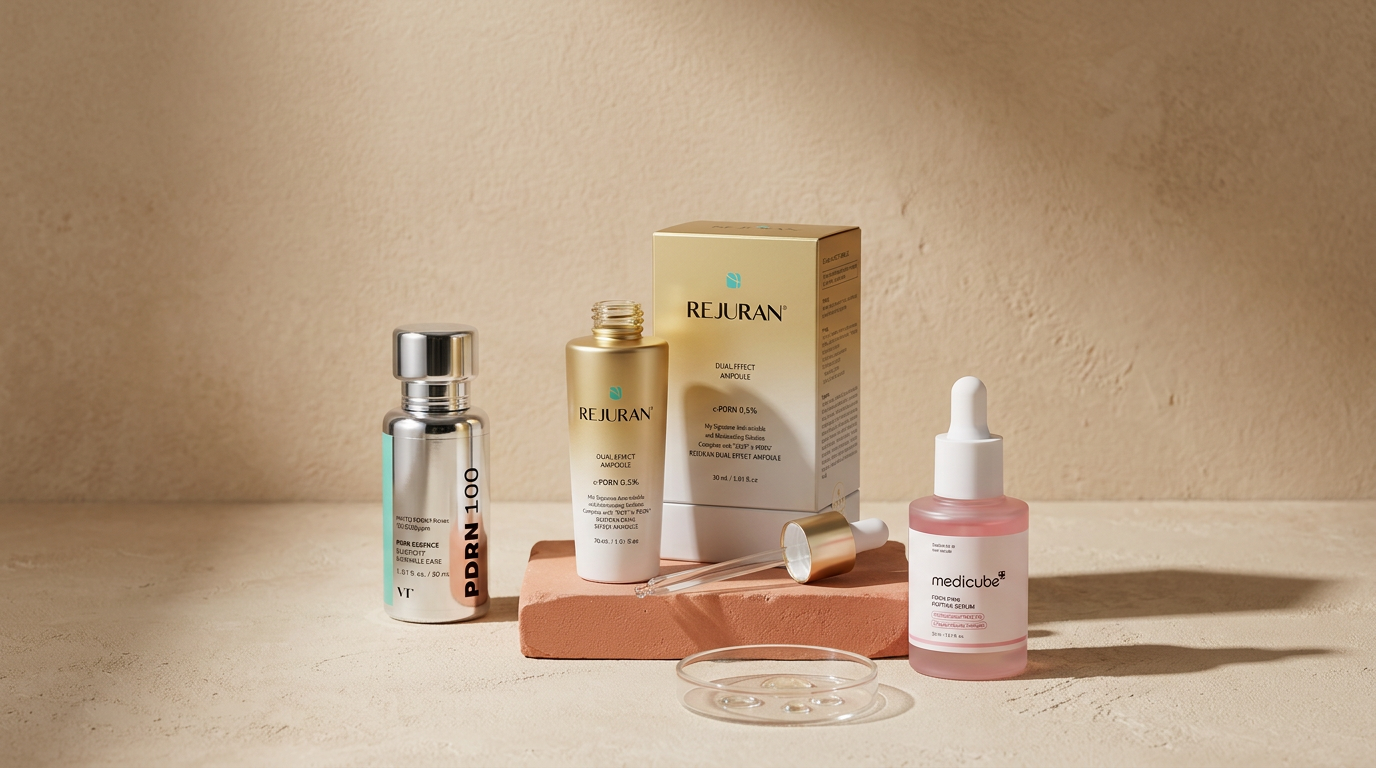
These are the PDRN products currently sold into Germany, Austria and Switzerland that we track: Medicube PDRN Pink Peptide Serum, Medicube PDRN Pink Collagen Gel Mask, Anua PDRN Hyaluronic Acid Capsule 100 Serum, Rejuran Turnover Ampoule (the cosmetic line of the injectable brand, same salmon source, different route) and VT Cosmetics PDRN Essence 100.
Each product page carries its own ingredient list, verdict and the Amazon.de link where one is available.
Verdict tone that fits all of them: a good hydrating and soothing serum with a trendy hero ingredient. Do not buy it expecting injection results.
Reader favorites
The products from this guide our readers click most.
Swipe for more →
Reader favorite
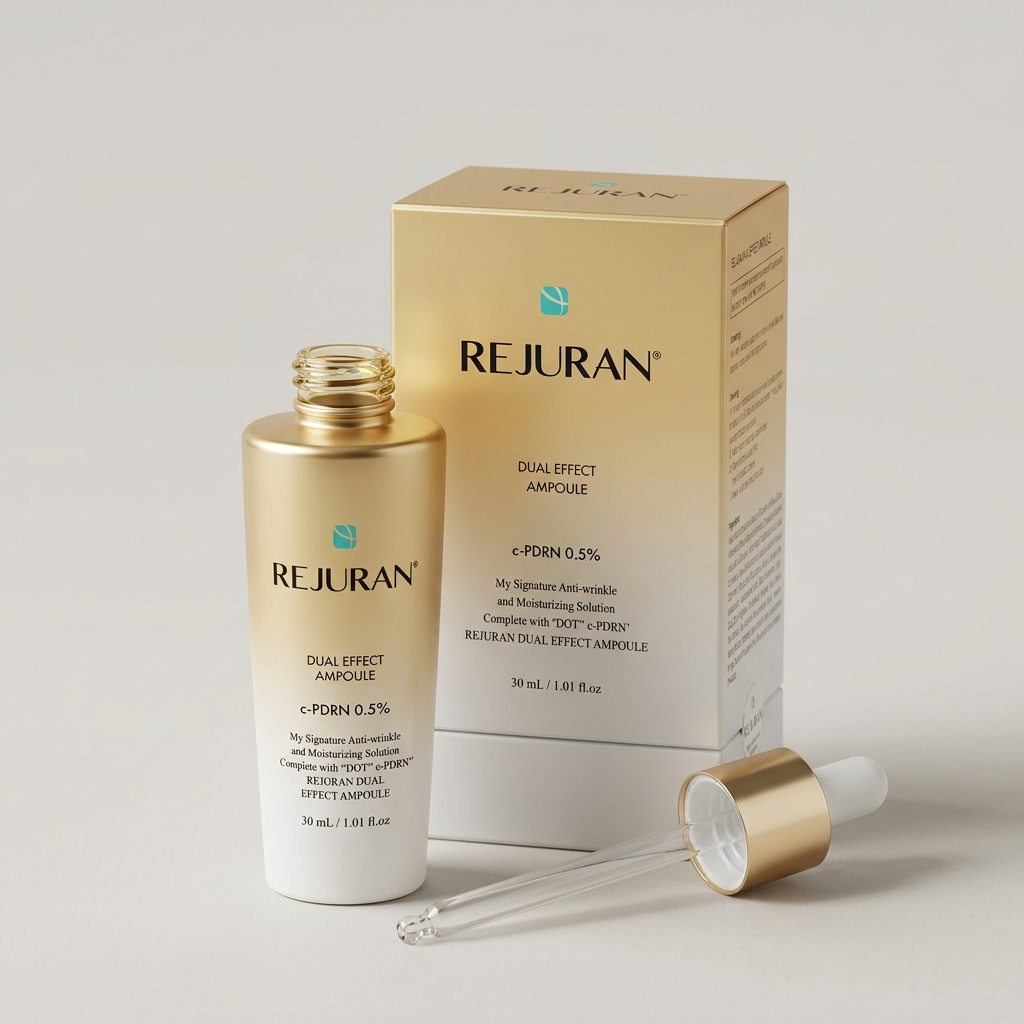
Rejuran Turnover Ampoule
The cosmetic ampoule from the brand behind the clinic skin booster, built around c-PDRN for a smoother, more hydrated look. Same salmon source as the injectable, very different delivery, so judge it as a soothing hydrator.
Reader favorite
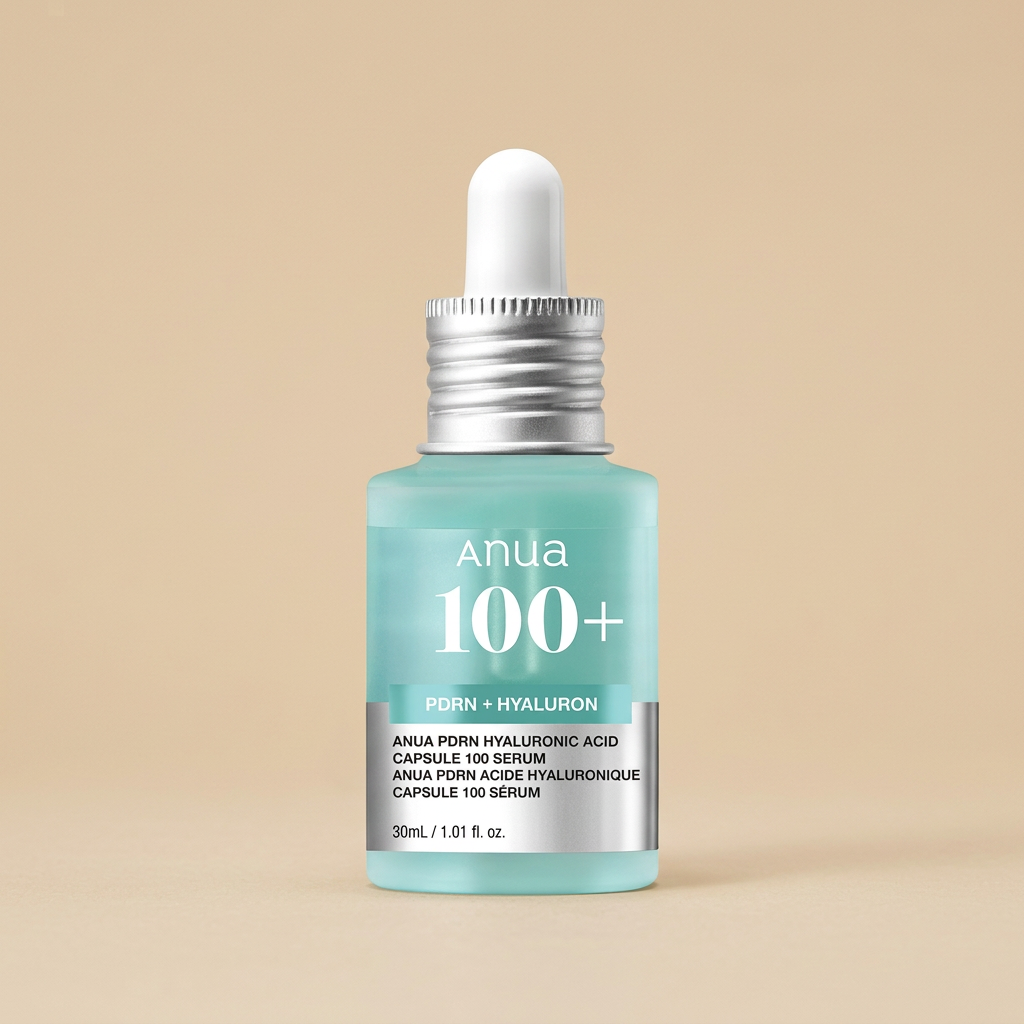
Anua PDRN Hyaluronic Acid Capsule 100 Serum
A lightweight PDRN serum from Anua that pairs salmon-derived sodium DNA with multi-weight hyaluronic acid. Positioned as a hydration and recovery step for skin that looks tired, dehydrated or less bouncy than usual.
Reader favorite
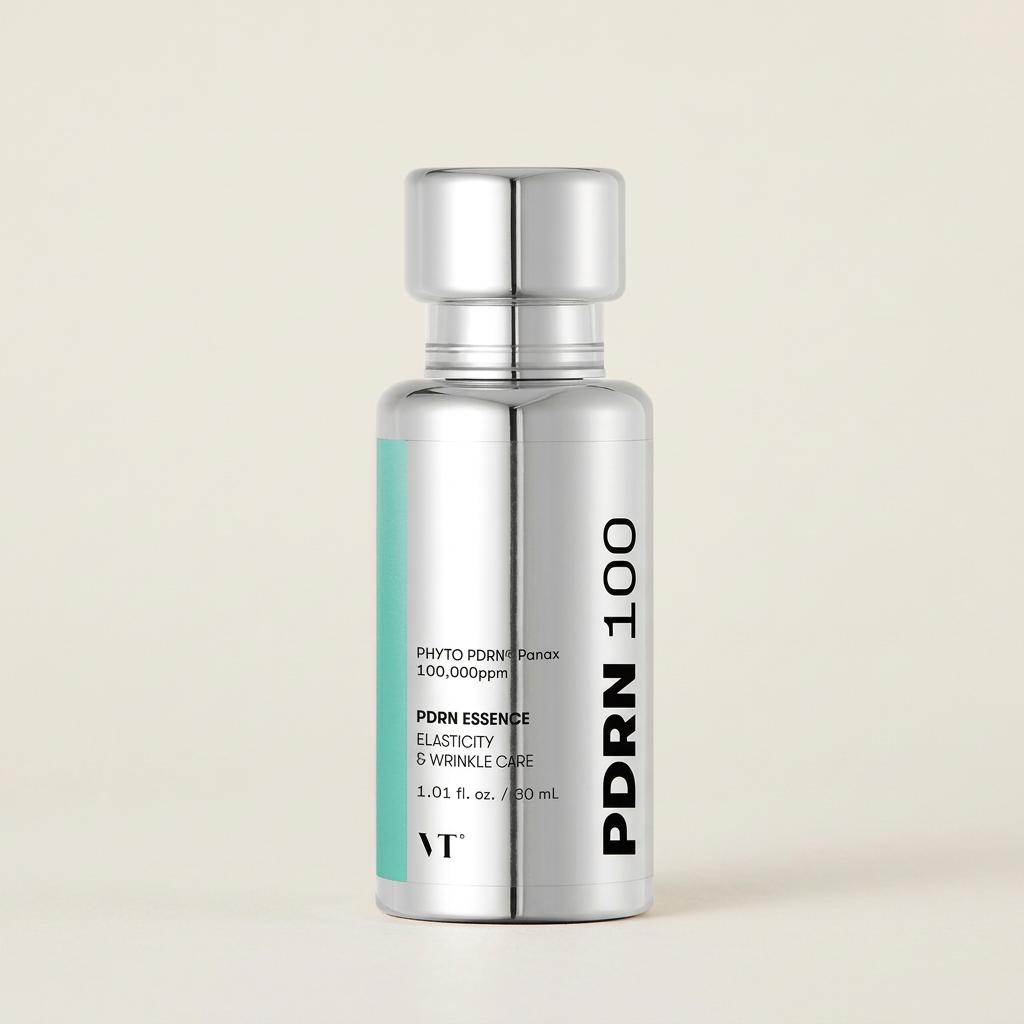
VT Cosmetics PDRN Essence 100
A lightweight PDRN essence for a hydrated, plumped finish, easy to layer under serums. Expect comfort and glow rather than injection level results.
Frequently asked
Products in this guide
Prices, ratings and short verdicts from our database, linked to the full product page.
Medicube
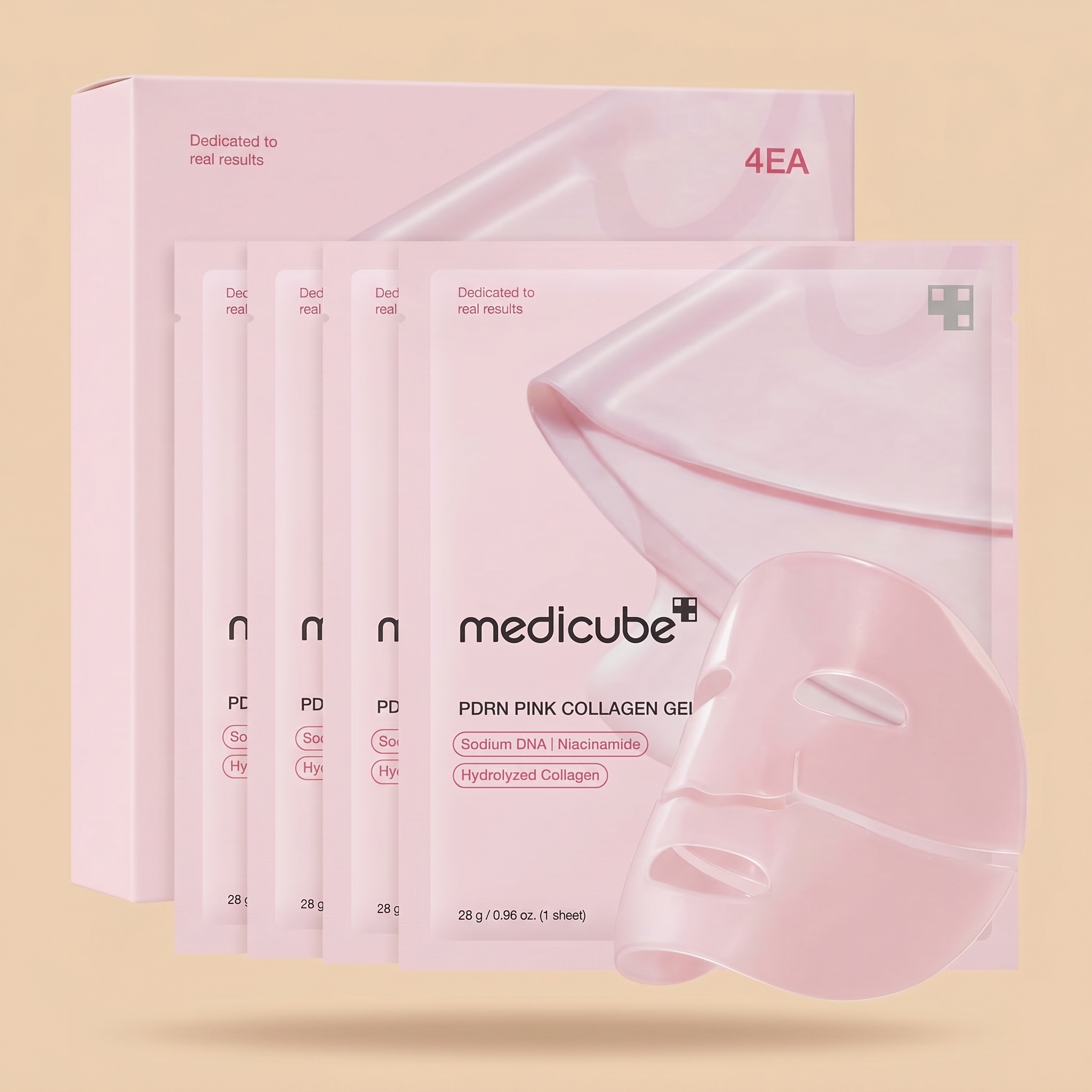
Medicube PDRN Pink Collagen Gel Mask
★ 4.2 (43)
A hydrogel-style pink collagen mask soaked in PDRN and hydrolyzed collagen that clings closely to skin for a plumping, firming boost with a fresh cooling finish.
Medicube
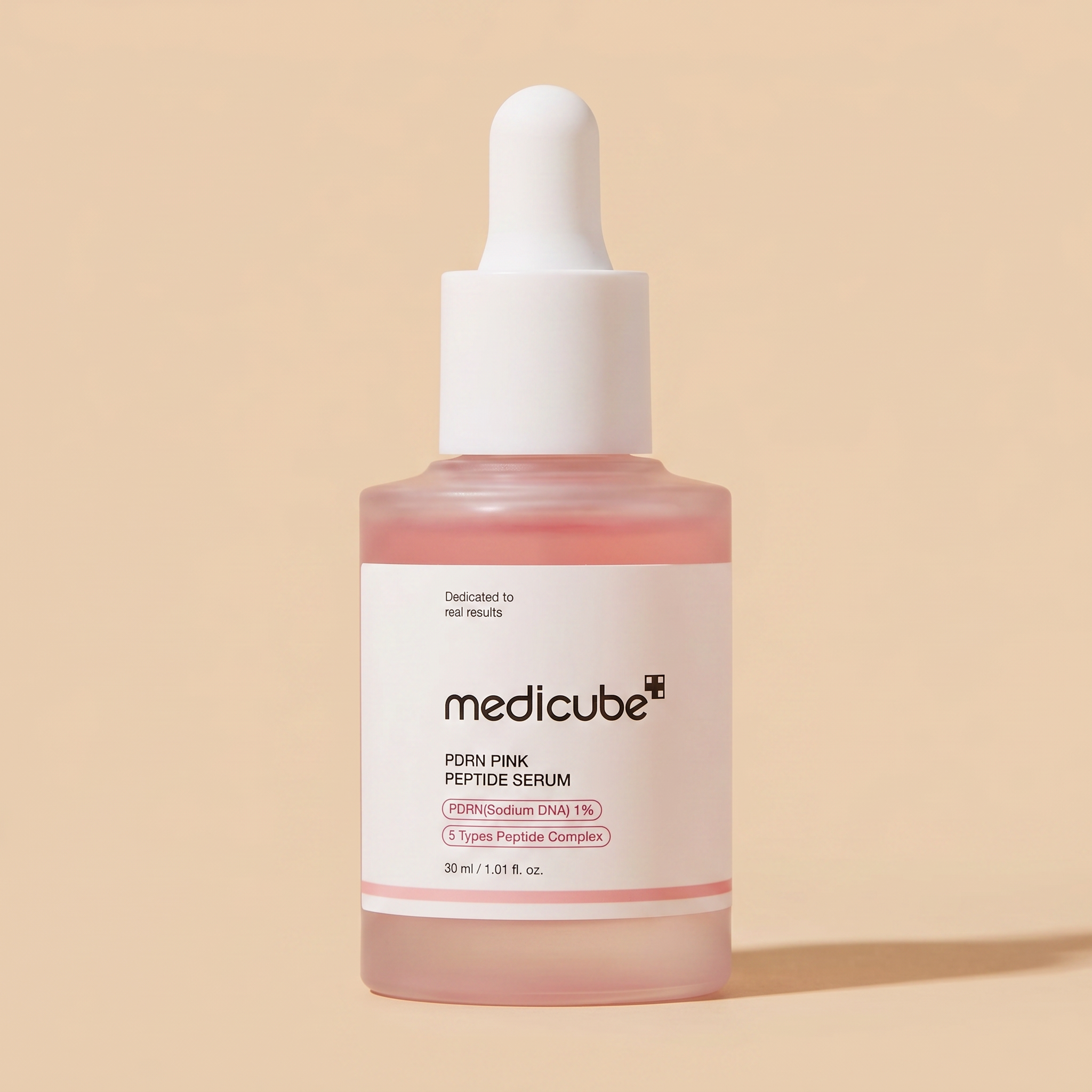
PDRN Pink Peptide Serum
A viral pink peptide serum from Medicube featuring 1% PDRN (Sodium DNA) and a 5-peptide complex to firm, calm and refine the skin barrier.
Rejuran
Turnover Ampoule
The cosmetic ampoule from the brand behind the clinic skin booster, built around c-PDRN for a smoother, more hydrated look. Same salmon source as the injectable, very different delivery, so judge it as a soothing hydrator.
Anua
PDRN Hyaluronic Acid Capsule 100 Serum
A lightweight PDRN serum from Anua that pairs salmon-derived sodium DNA with multi-weight hyaluronic acid. Positioned as a hydration and recovery step for skin that looks tired, dehydrated or less bouncy than usual.
VT Cosmetics
PDRN Essence 100
A lightweight PDRN essence for a hydrated, plumped finish, easy to layer under serums. Expect comfort and glow rather than injection level results.
Keep reading
Tool
Build your routine
Pick skin type, concern and budget. Get a step-by-step routine with real products.
Tool
Check ingredient conflicts
Safe to combine, separate AM/PM, or skip. Clear verdicts for any two ingredients.