
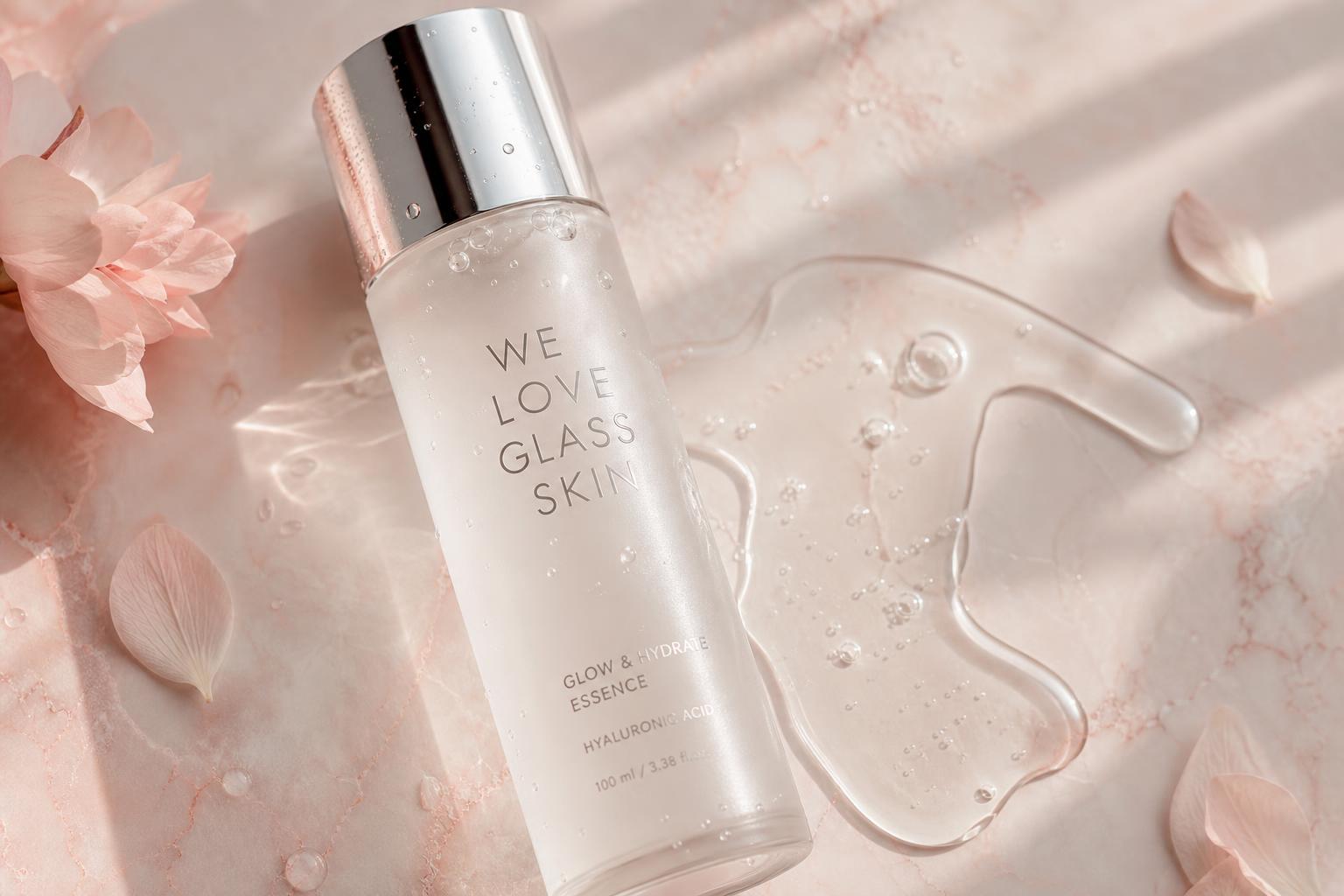
Korean Glass Skin: What It Actually Is and How to Get It
Last updated 8 July 2026
Glass skin is the K-Beauty look everyone screenshots: pore-less, dewy, almost translucent, like a clean pane of glass. It is not a filter and not a single product. It is a hydration-first routine plus a few non-negotiable habits. Here is what actually gets you there, without buying 20 products.
What glass skin actually means
Glass skin describes skin that looks clear, plump, evenly toned and reflective, like the surface of glass. The Korean term is 유리피부 (yuri pibu), literally glass skin.
Three visual signals separate it from regular 'good skin': a wet-looking dewiness across the cheekbones, an even tone with no visible redness or dark spots, and texture so smooth that pores almost disappear in photos.
It is a look that genetics, makeup and good lighting all help with. But the routine is what makes it repeatable.
The glass skin routine, step by step
1. Double cleanse at night. Oil cleanser first to lift sunscreen and sebum, then a low-pH water cleanser. Single cleanse in the morning.
2. Exfoliate 2 to 3 nights a week with a gentle BHA or PHA. Skip this if your skin is sensitive.
3. Hydrating toner, patted in with your hands. Two or three layers if your skin drinks it up.
4. Essence. The watery, slightly viscous step that defines K-Beauty. Snail mucin, propolis or polyglutamic acid are the classics.
5. One treatment serum for your main concern. Niacinamide for tone, vitamin C for brightness, peptides for plumping.
6. Moisturiser. Gel-cream for oily and combination skin, richer cream for dry skin.
7. Sunscreen every single morning. No sunscreen means no glass skin. Ever.
Follow the full Korean skincare order if you want the longer version with optional steps.
The five ingredients that do the heavy lifting
Glass skin is mostly about water held inside the skin barrier. These ingredients are how you get there:
| Ingredient | What it does | Where to find it |
|---|---|---|
| Hyaluronic acid | Pulls water into the upper layers of skin, plumping fine lines and giving the dewy look. | Most hydrating toners and essences. See the hyaluronic acid ingredient page. |
| Snail mucin | Hydrates, supports barrier repair, smooths texture. The single most associated ingredient with glass skin. | Cosrx Advanced Snail 96, Mizon All In One. See the snail mucin ingredient page. |
| Niacinamide | Evens tone, refines pore appearance, calms redness. The 'photo-ready' ingredient. | Found in most Korean essences and serums. See the niacinamide ingredient page. |
| Centella asiatica | Calms inflammation and helps skin look uniformly toned rather than blotchy. | Anua Heartleaf, Skin1004 Madagascar Centella. See the centella ingredient page. |
| Beta-glucan | Often called 'better than hyaluronic acid' for long-lasting hydration. Underrated. | Iunik Beta Glucan, Haruharu Wonder Black Rice. See the beta-glucan ingredient page. |
The habits that matter more than products
Sunscreen daily, reapplied if you are outdoors. UV damage is what destroys clarity and even tone over time. See our best Korean sunscreens roundup.
Sleep 7 hours and drink water. Boring, free, more effective than any $80 serum.
Do not over-exfoliate. Two or three nights a week, maximum. Every day strips the barrier and your skin will look red and tight, the opposite of glass.
Pat, do not rub. Apply hydrating layers with the warmth of your palms, not cotton pads.
Quick wins: which routine is right for your skin
Glass skin is not one routine for everyone. Start with the version closest to your skin type and adjust from there:
Oily skin: lean on lightweight essences and niacinamide. Full plan in our oily skin routine.
Dry skin: layer hydrating toners and finish with an occlusive moisturiser. Full plan in our dry skin routine.
Sensitive or red skin: skip the acids and lead with centella and panthenol. Full plan in our sensitive skin routine.
Combination skin: zone your routine, more occlusion on cheeks, more lightweight on the T-zone. Full plan in our combination skin routine.
A realistic timeline
Week 1: skin feels softer and slightly plumper from consistent hydration. The biggest visible jump.
Weeks 2 to 4: tone starts to even out. Less redness, smaller-looking pores in the right light.
Months 2 to 3: real changes in texture and clarity. This is when people start asking what you are doing differently.
Months 6 plus: the long-game results from daily sunscreen and barrier care. The glass look becomes your default, not a special-occasion thing.
If you want help building this as a personalised plan, the routine builder picks products from our catalog based on your skin type and budget.
Common mistakes that kill the glass look
Layering five actives at once. Glass skin is the absence of irritation. Pick one treatment serum and protect the barrier around it.
Skipping moisturiser because 'my skin is oily'. Dehydrated skin overproduces oil. Glass skin is hydrated skin.
Using powder foundation. Even a perfect routine looks flat under matte powder. Try a hydrating cushion or a sheer skin tint.
Mixing incompatible actives. Check our ingredient conflict checker before stacking retinol, vitamin C and AHAs.
Brands and products worth knowing
These are the brands most cited in glass skin routines. None of them sponsor us:
COSRX for hydration basics like the Advanced Snail 96 essence.
Beauty of Joseon for the Glow Serum and Relief Sun sunscreen.
Anua for the Heartleaf 77 toner and PDRN ampoule.
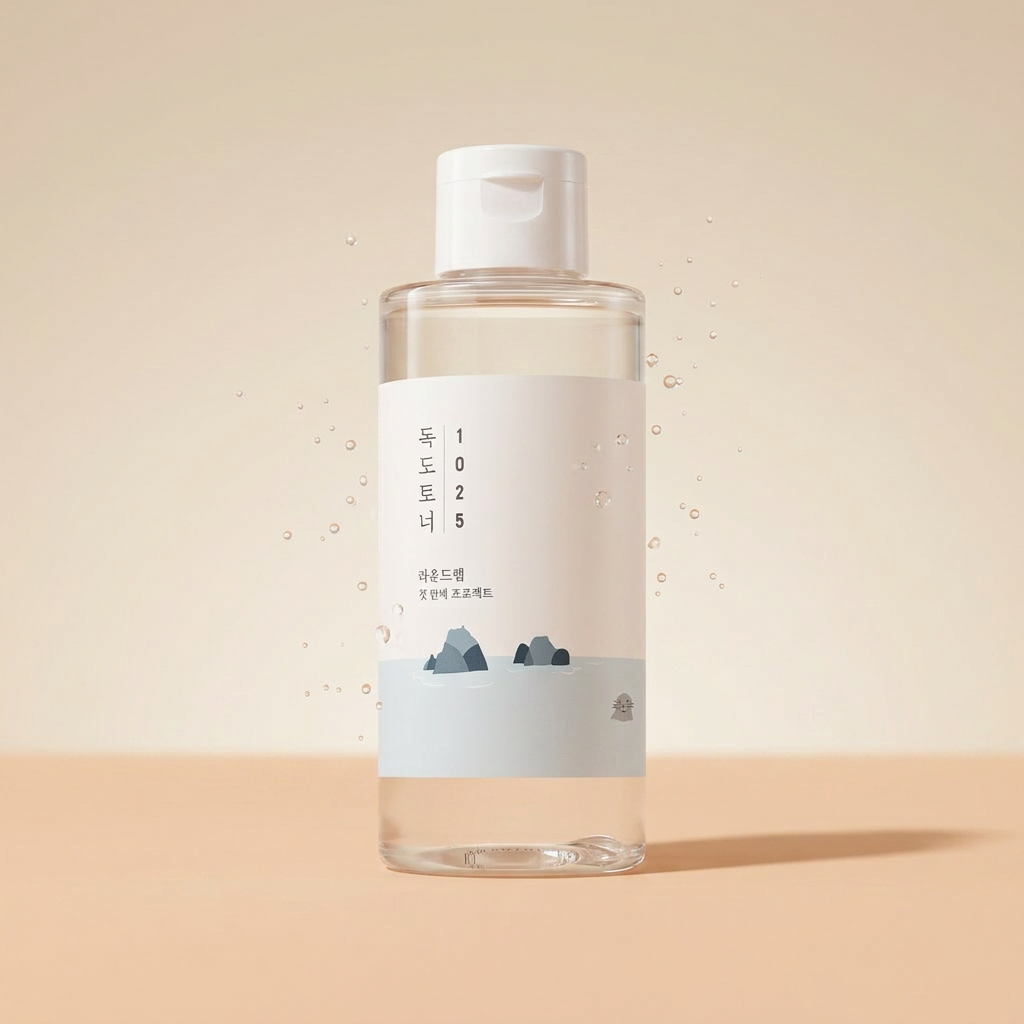
Round Lab for the 1025 Dokdo toner and Birch Juice sunscreen.
Laneige for the Water Bank line and Water Sleeping Mask.
Skin1004 for the Madagascar Centella range.
Browse all brands or read our honest tier list of the best Korean skincare brands.
Products that push glass-skin further
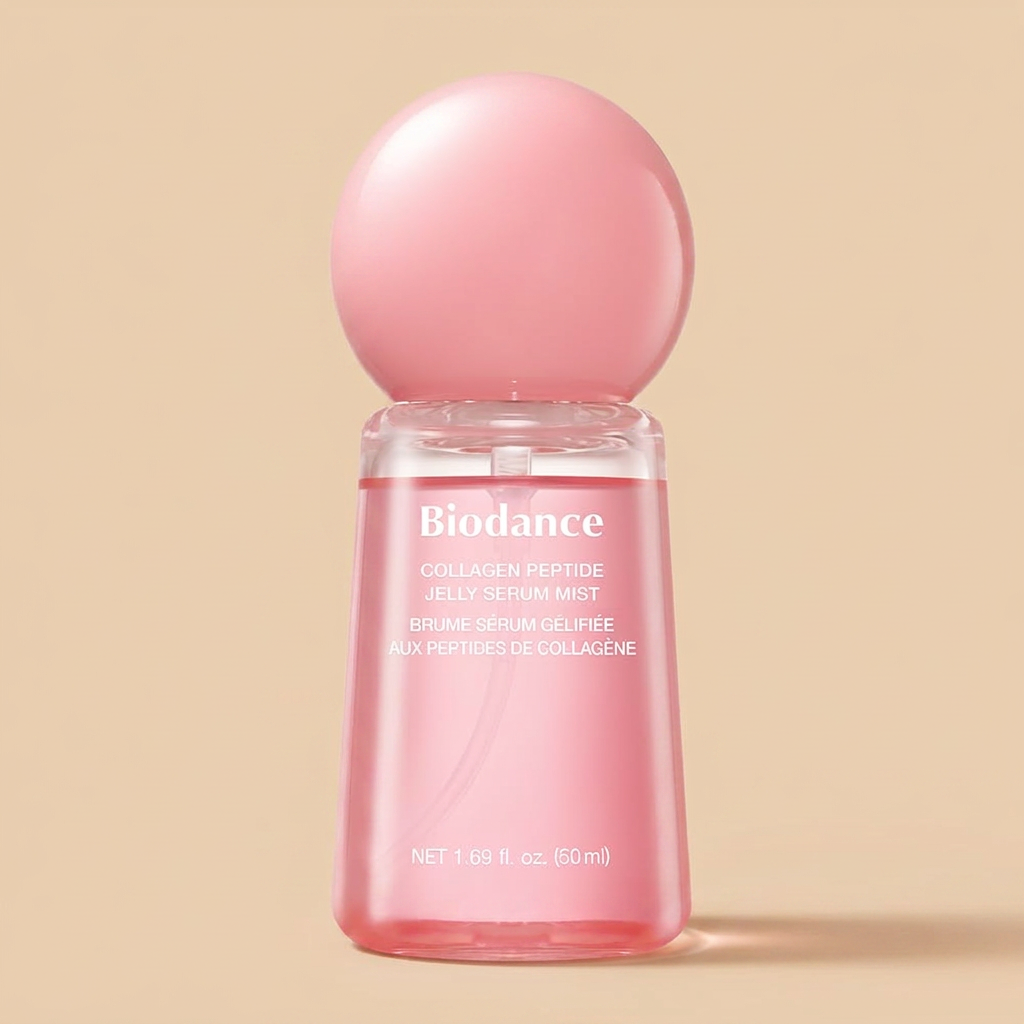
Biodance Collagen Peptide Jelly Serum Mist is a mist-format peptide serum that adds bounce and dewy hydration on top of your usual essence step.
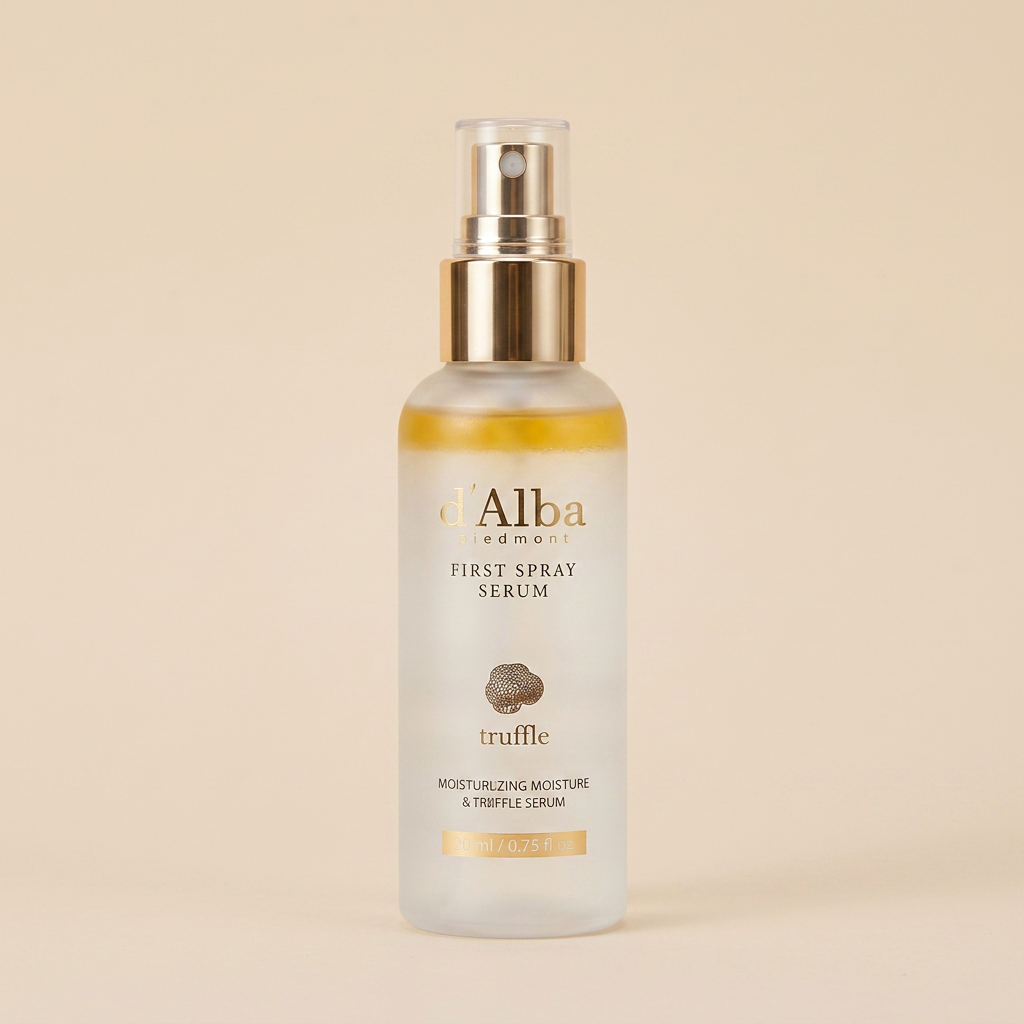
d'Alba First Spray Serum layers truffle extract and squalane for a subtle glow finish, spritz after moisturizer or over makeup.
Reader favorites
The products from this guide our readers click most.
Swipe for more →
Frequently asked
Products in this guide
Prices, ratings and short verdicts from our database, linked to the full product page.
Round Lab
1025 Dokdo Toner
from €19.00
Mineral-rich deep-sea-water toner that hydrates and rebuilds a stressed barrier. A go-to entry K-beauty hydrating toner.
Biodance
Biodance Collagen Peptide Jelly Serum Mist
A jelly-textured mist that layers collagen and peptides into a fine, hydrating veil for a plump, dewy finish any time of day.
d'Alba Piedmont
d'Alba First Spray Serum
A cult double-layer mist-serum with Italian white truffle extract and squalane that hydrates and adds a soft glow, shake and spray for a quick pick-me-up any time of day.
Keep reading
Tool
Build your routine
Pick skin type, concern and budget. Get a step-by-step routine with real products.
Tool
Check ingredient conflicts
Safe to combine, separate AM/PM, or skip. Clear verdicts for any two ingredients.