
Korean Skincare Routine for Dry Skin That Actually Stays Hydrated
Last updated 8 July 2026
Dry skin is a hydration and barrier problem, not just a moisture problem. The Korean approach treats it from both sides: watery layers that flood the skin with humectants, then richer layers that seal everything in. Done consistently, tightness goes away in about a week and flaking in 3 to 4.
The 7-step dry-skin routine
1. Oil or balm cleanser (PM). A nourishing cleansing balm with shea or squalane. Never strip on the first step.
2. Cream cleanser (AM + PM). Skip the foaming gel, it makes dry skin worse.
3. Hydrating toner. Glycerin, hyaluronic acid, beta-glucan. Press 2 to 3 layers into damp skin.
4. Essence. The most Korean step, and the one dry skin benefits from most.
5. Treatment serum or ampoule. Look for ceramides, panthenol or snail mucin.
6. Rich cream moisturiser. Squalane, shea butter, ceramides. Heavier at night.
7. Facial oil (PM, optional). A few drops pressed on top to seal everything in.
Sunscreen in the morning, always. A hydrating, cream-based SPF 50.
The ingredients dry skin actually needs
Hyaluronic acid and glycerin: pull water into the upper layers of skin.
Ceramides: rebuild the lipid barrier so water stops escaping. The single most underrated dry-skin ingredient.
Panthenol (provitamin B5): calms and supports barrier repair.
Squalane: a weightless oil that locks in everything without feeling heavy.
Snail mucin: surprisingly effective humectant that also calms reactive dry skin.
What to avoid if you have dry skin
Foaming SLS cleansers and high-pH bar soaps. They strip the barrier in seconds.
Alcohol-denat high in the ingredient list of toners and essences.
Daily strong acids (glycolic, high-percent BHA). Once or twice a week is plenty.
Skipping sunscreen because it feels heavy. Choose a hydrating cream SPF instead of giving up on it.
A realistic weekly plan
AM daily: cream cleanse, hydrating toner (2 layers), essence, ceramide serum, rich moisturiser, hydrating SPF 50.
PM daily: oil cleanse, cream cleanse, toner, essence, treatment, moisturiser, optional facial oil on top.
PM 1 to 2 times a week: a gentle PHA exfoliant before the toner step. Skip the rest of the actives that night.
Tightness usually settles within a week, visible flaking in 3 to 4, and the lit-from-within glow most dry skins are chasing in about 8.
Advanced Layering: The 'Skin Flooding' Technique
The core of the Korean method for dry skin involves creating deep, lasting hydration through methodical layering. This goes beyond simply applying a toner. The goal is to fully saturate the outermost layer of your skin, the stratum corneum, with water-based hydrators before sealing them in. When your skin is slightly damp, it is more permeable, allowing subsequent products to absorb more effectively.
One popular technique is the '3-Skin' or '7-Skin' method. This involves patting in three to seven thin layers of a watery, alcohol-free toner or essence. You apply one layer, gently pat until it's mostly absorbed, and then immediately apply the next. This floods the skin with humectants like glycerin or sodium hyaluronate, plumping it from within and creating a hydrated base for your thicker serums and creams. You don't need a special product, your regular hydrating toner will work perfectly.
To make this work, choose your product wisely. Look for watery, essence-like toners free from drying alcohols or astringents. Products featuring Centella Asiatica, Panthenol, or Beta-Glucan are excellent choices. If you find your skin feels sticky, you may be using too much product per layer or not allowing enough absorption time. A light, dewy finish is the goal, not a tacky one.
How to Choose the Right Cleanser for Your Barrier
For dry skin, cleansing is a delicate balancing act. The aim is to remove grime, sunscreen, and makeup without stripping the skin's natural oils, which form a critical part of its protective barrier. Using a harsh, high-pH cleanser is one of the fastest ways to exacerbate dryness and cause irritation. Always look for cleansers that state they are 'low-pH' or around a pH of 5.5, which is similar to the skin's natural state.
The double cleansing method is ideal, starting with an oil-based cleanser. Look for cleansing oils or balms rich in nourishing plant oils like jojoba, sweet almond, or grapeseed oil. These effectively dissolve makeup and sebum while leaving the skin feeling soft. After rinsing the oil cleanser, which emulsifies with water, follow up with a gentle, water-based cleanser.
Your second cleanser should be creamy, milky, or a light gel foam. Ingredients to look for include glycerin, ceramides, and hyaluronic acid. Some excellent options are cleansing milks or powders that you mix into a paste. These provide a mild cleanse that respects the lipid barrier, leaving your skin feeling clean but also comfortable and prepared for the rest of your routine.
Exfoliating Dry Skin Without Causing Damage
Exfoliation might seem counterintuitive for dry, flaky skin, but it is a crucial step for restoring smoothness and radiance. Dead skin cells can build up, preventing your hydrating products from penetrating properly and causing a dull appearance. The key is to avoid harsh physical scrubs and choose gentle, hydrating chemical exfoliants instead.
Polyhydroxy Acids (PHAs), like gluconolactone, are a dry skin hero. Their larger molecule size means they penetrate the skin more slowly, reducing the potential for irritation. Better yet, PHAs are also humectants, meaning they attract water and help hydrate the skin while they exfoliate. Lactic acid is another excellent option; it is an Alpha Hydroxy Acid (AHA) that also has hydrating properties.
Start slowly, incorporating a PHA or lactic acid toner or serum into your routine just once a week, preferably at night. Apply it after cleansing to dry skin. As your skin adapts, you might increase frequency to twice a week, but many find once is sufficient. Always follow up with plenty of hydrating layers and a good barrier cream, and be extra diligent with sunscreen the next day, as exfoliation can increase sun sensitivity.
Building a Dry Skin Routine on a Budget
A consistent, effective routine for dry skin does not need to be expensive. The secret is knowing where to invest your money and where you can save. You can build a fantastic core routine by choosing affordable products with simple, proven ingredient lists, then supplement with a more expensive item if you have a specific concern.
Your 'save' items are typically products that stay on your skin for a short time or have a primary function of simple hydration. Cleansers, for example, are washed off, so a gentle, low-pH formula from an affordable brand like COSRX or Round Lab is a smart choice. Basic hydrating toners, whose main job is to dampen skin and provide a first layer of humectants, can also be found at a great price point. Isntree's Hyaluronic Acid Toner is a community favourite for a reason.
Your 'splurge' items should be your treatment steps. This includes serums or ampoules with a high concentration of active ingredients, or a technologically advanced moisturiser. A well-formulated ceramide cream that truly repairs the skin barrier, like those from Dr. Jart+ or Illiyoon, is worth the investment because it does the heavy lifting in preventing water loss. Similarly, a potent Vitamin C or peptide serum is where you’ll see significant changes in tone and texture, making the higher cost justifiable.
| Product Category | Save | Splurge |
|---|---|---|
| First Cleanser | Stick to basic oil formulas. | Not necessary to splurge here. |
| Second Cleanser | Low-pH gels or creams. | Not necessary to splurge here. |
| Hydrating Toner | Large bottles with simple humectants. | Not necessary unless it has added peptides or ferments. |
| Serum / Ampoule | A simple hyaluronic acid or panthenol serum. | Targeted actives: Vitamin C, peptides, retinol, or high-concentration ferments. |
| Moisturiser | A basic cream with glycerin and shea butter. | Advanced creams with multiple types of ceramides or patented ingredients. |
Products that lock in extra hydration
d'Alba Double Serum All In One Multi Balm is a stick balm that seals moisture onto the driest patches, cheeks, lip corners, cuticles.
d'Alba First Spray Serum layers under cream or over makeup for a quick hydration refresh.
Biodance Collagen Peptide Jelly Serum Mist adds peptide-driven bounce without any tacky finish, useful on dry, tight skin.
Frequently asked
Products in this guide
Prices, ratings and short verdicts from our database, linked to the full product page.
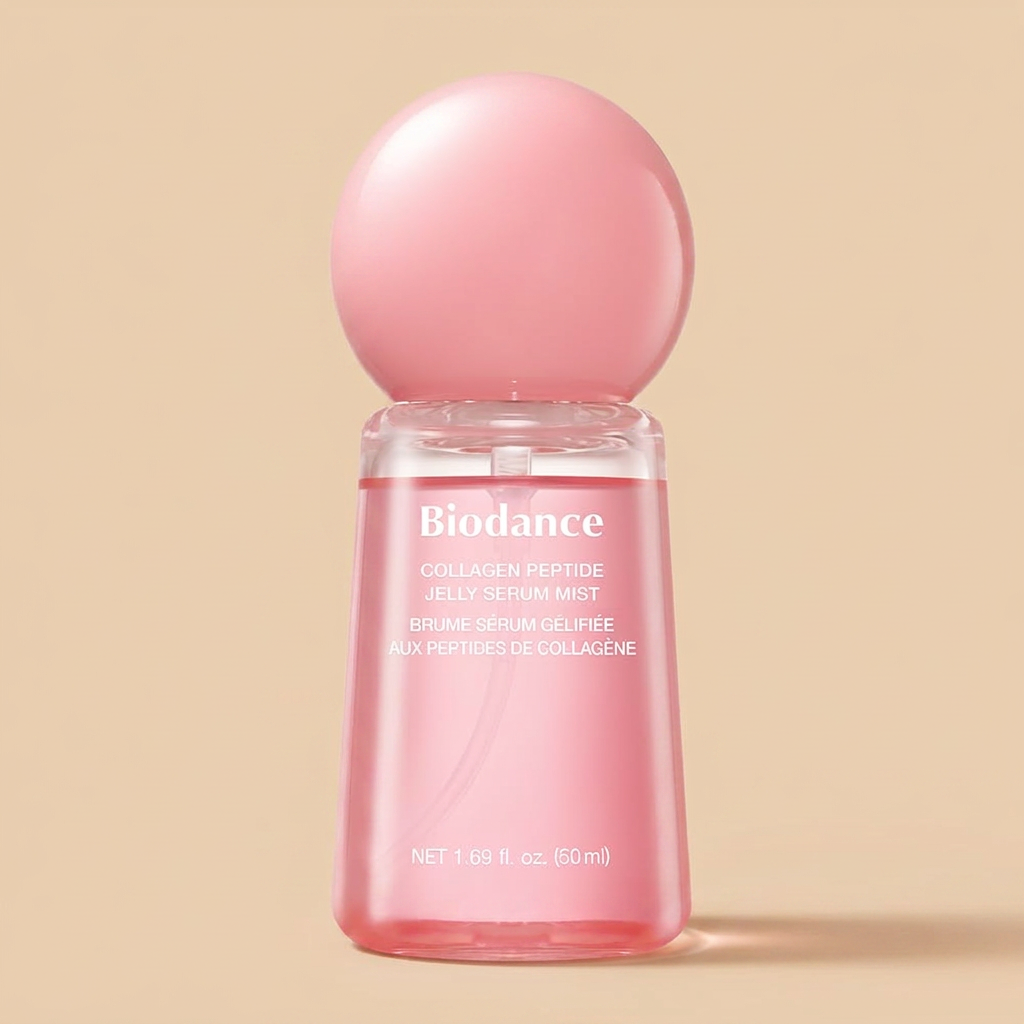
Biodance
Biodance Collagen Peptide Jelly Serum Mist
A jelly-textured mist that layers collagen and peptides into a fine, hydrating veil for a plump, dewy finish any time of day.
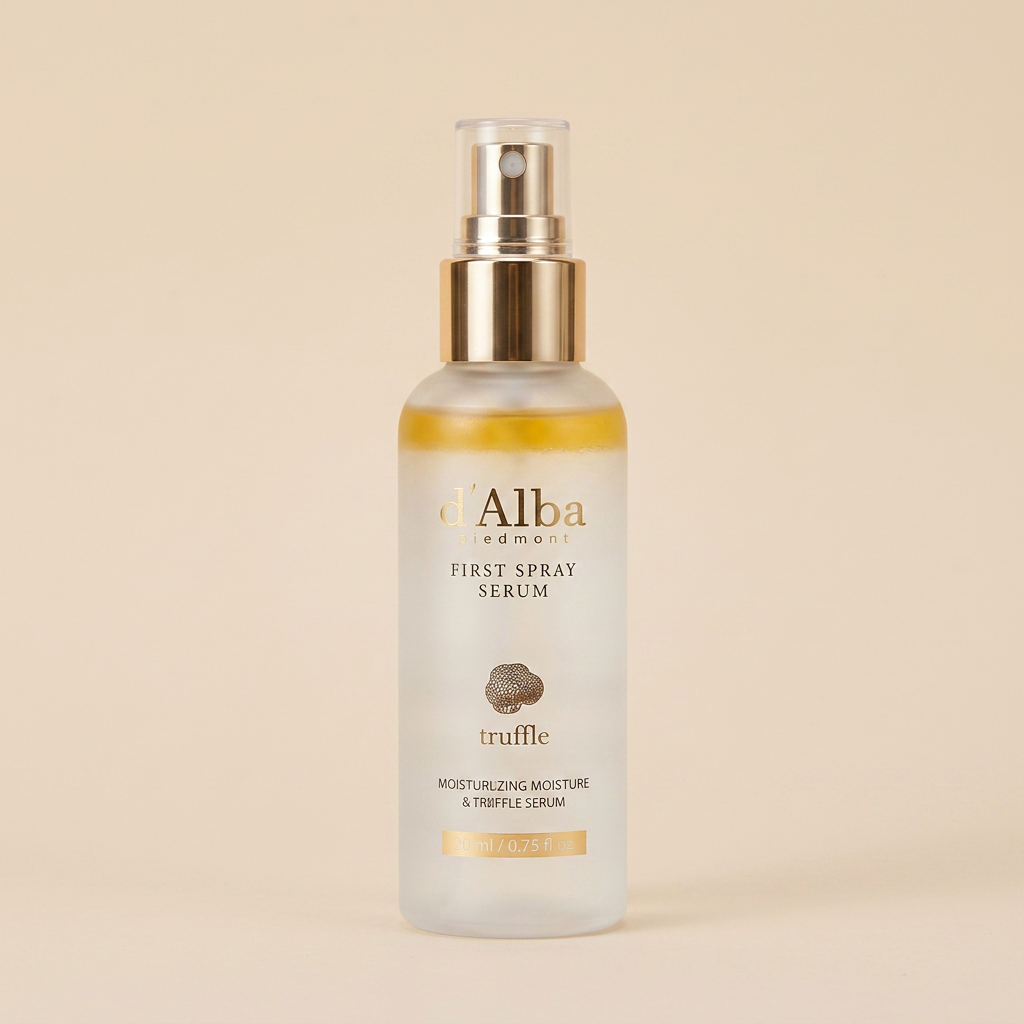
d'Alba Piedmont
d'Alba First Spray Serum
A cult double-layer mist-serum with Italian white truffle extract and squalane that hydrates and adds a soft glow, shake and spray for a quick pick-me-up any time of day.
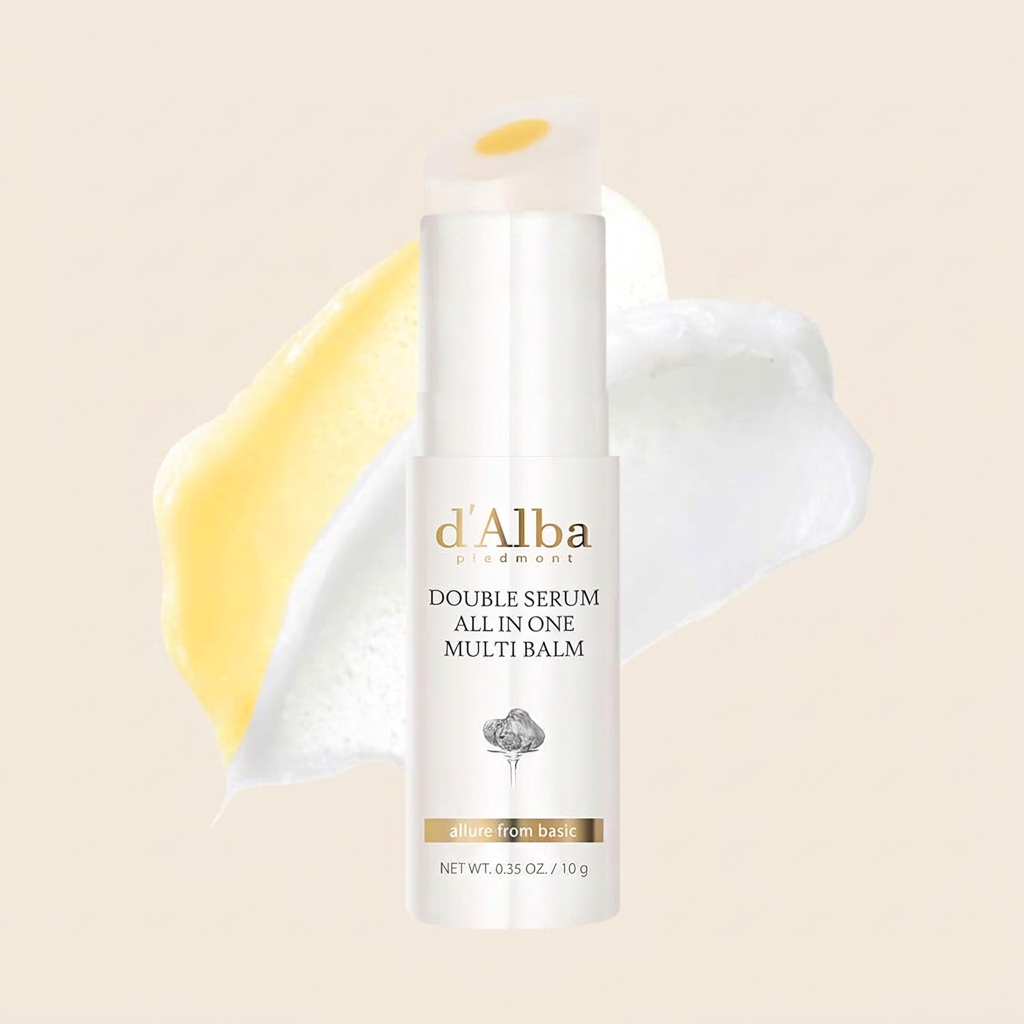
d'Alba Piedmont
d'Alba Double Serum All In One Multi Balm
A twist-up stick balm with a dual oil and cream formula that melts into skin to lock in hydration, soothe dry patches, and add a soft glow anywhere on the face, lips, or cuticles.
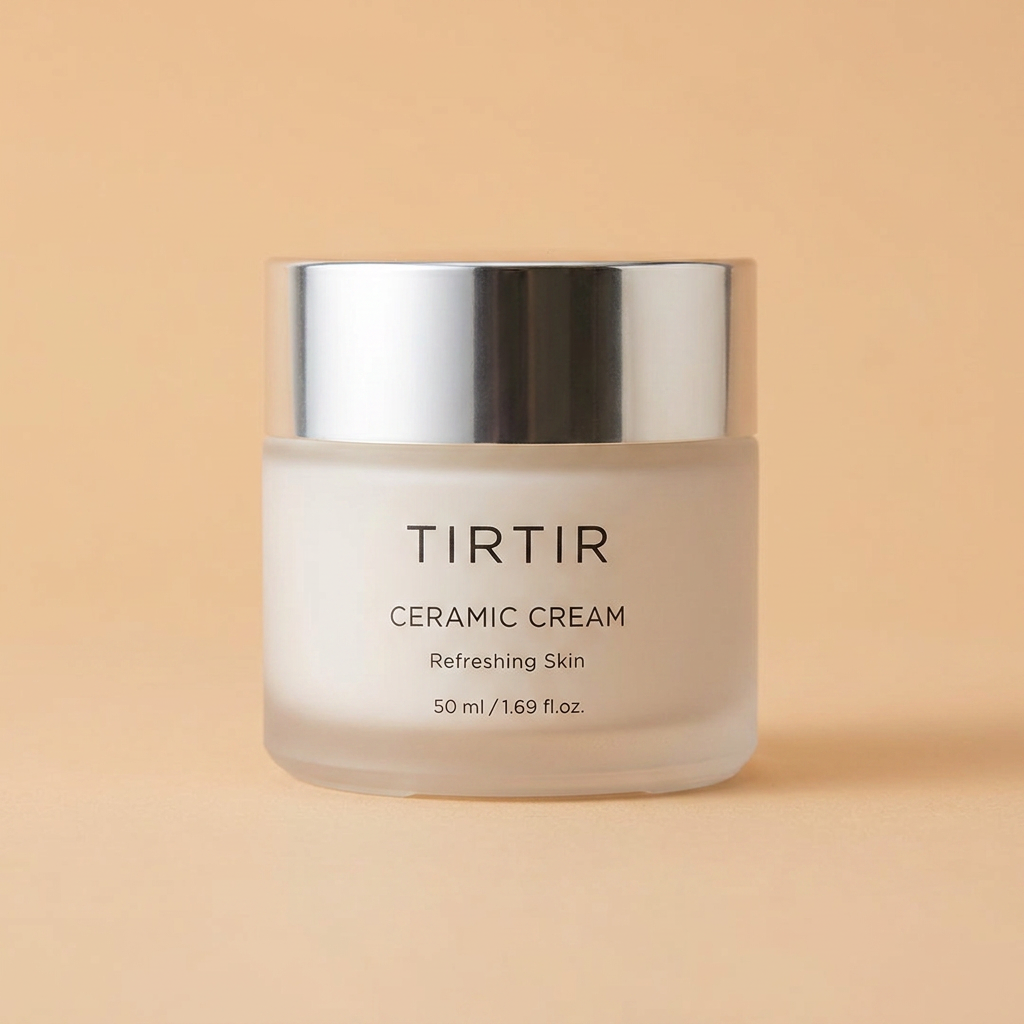
TIRTIR
Ceramide Cream
from €25.00
Barrier focused cream with ceramides and panthenol, lightweight but nourishing.
Keep reading
Tool
Build your routine
Pick skin type, concern and budget. Get a step-by-step routine with real products.
Tool
Check ingredient conflicts
Safe to combine, separate AM/PM, or skip. Clear verdicts for any two ingredients.