Medicube Zero Pore Pad 2.0 Review: Honest Verdict
Last updated 10 July 2026
The Medicube Zero Pore Pad is one of the most searched K-Beauty products in the world, with roughly 40,000 monthly searches and a permanent spot on Korean beauty top-seller lists. It also happens to be one of the cheapest serious exfoliating pads on the market. We tested the current 2.0 version, read the clinical evidence behind the AHA and BHA claims, and pulled our founder verdict, written through a sensitive, atopic skin lens.
Top picks from this guide
What the Medicube Zero Pore Pad actually is
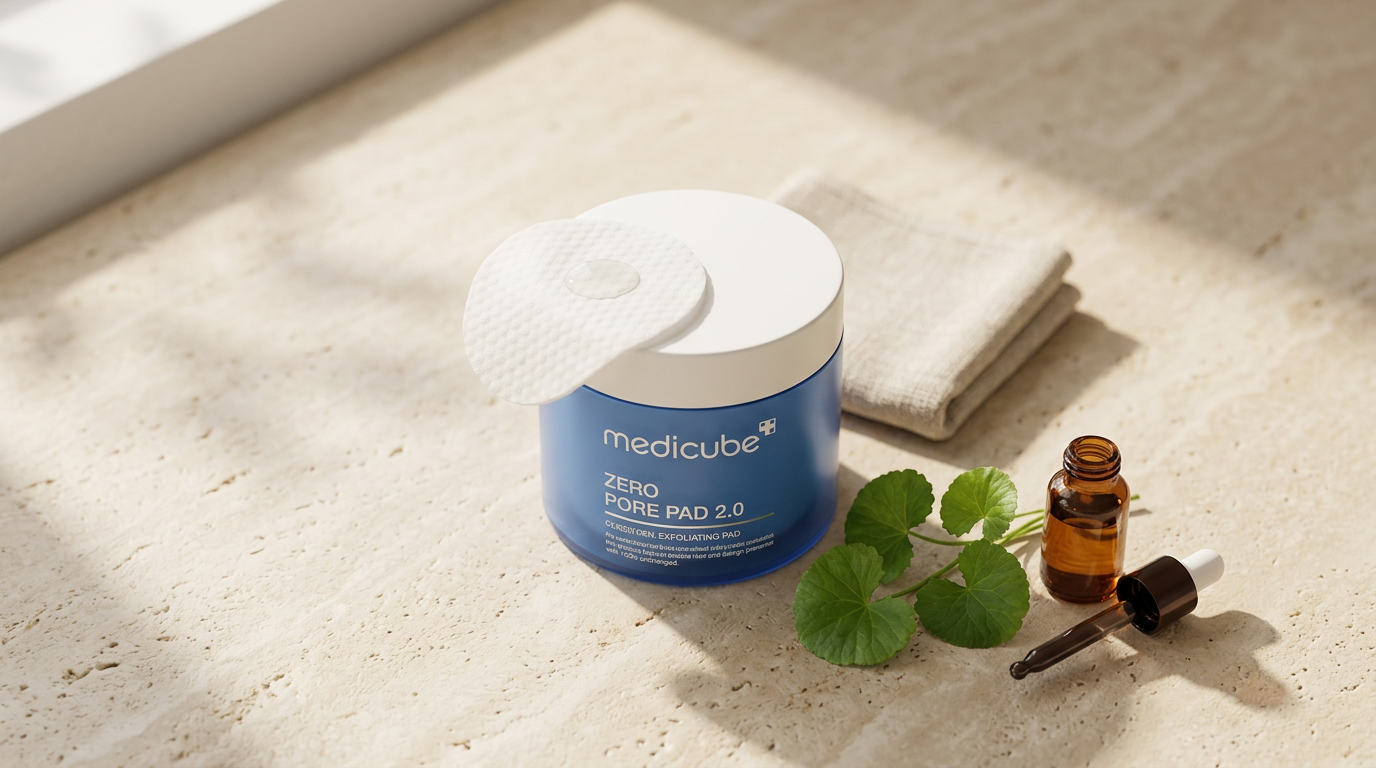
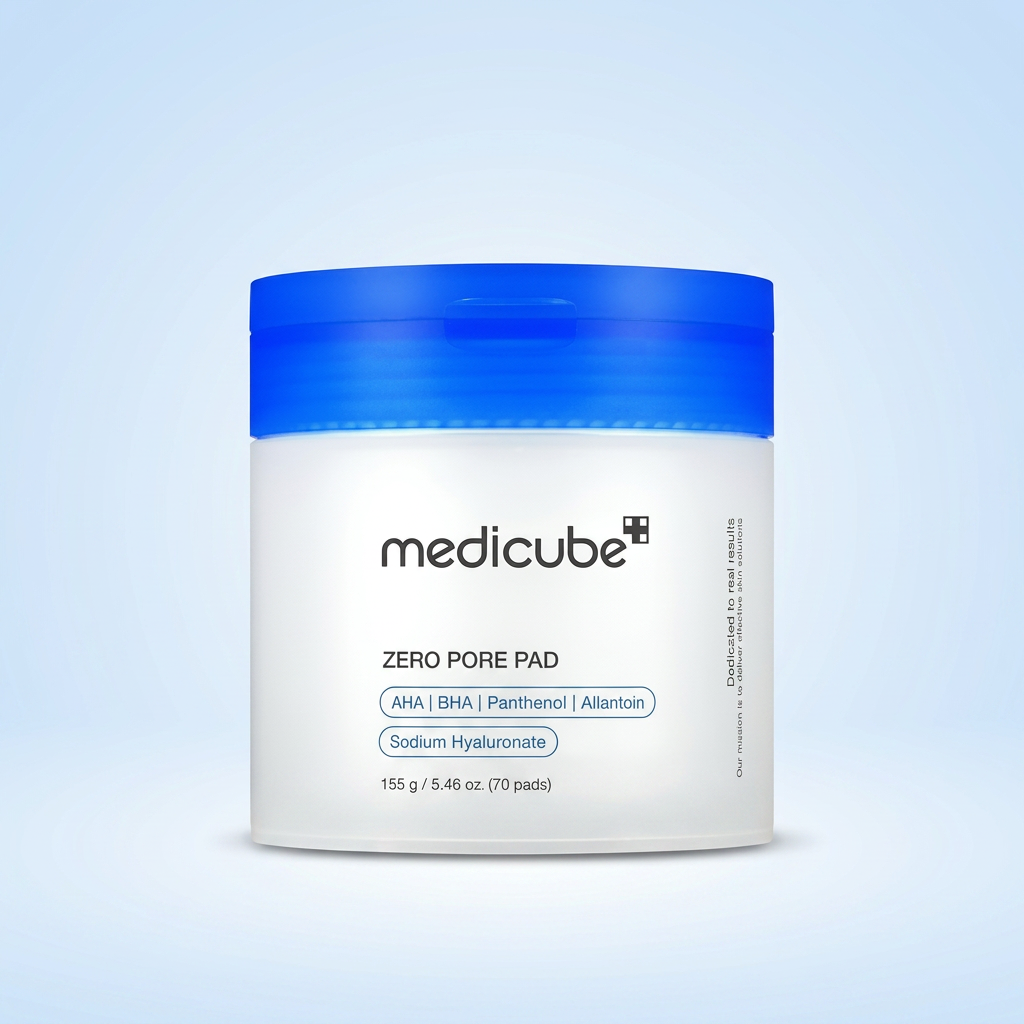
The Medicube Zero Pore Pad 2.0 is a soaked toner pad from Korea with a dual-textured surface: a smooth side for gentle sweeping and an embossed side for deeper exfoliation. It is applied to dry, cleansed skin and combines chemical exfoliation with sebum-regulating and soothing ingredients.
The current 2.0 formula pairs two exfoliating acids, Salicylic Acid (a BHA) and Lactic Acid (an AHA), with Betaine Salicylate, Sodium Hyaluronate, Panthenol, Allantoin and Centella Asiatica extract. That is a genuinely well-thought-through combination: acids to unclog and resurface, humectants to prevent dehydration, and calming agents to buffer irritation.
Price sits between 15 and 25 EUR for 70 pads depending on the retailer, which makes it one of the lowest cost-per-use exfoliating treatments in K-Beauty. The 2.0 update over the original mainly adds more Panthenol for better hydration and a slightly refined pad texture.
Our verdict
Worth it, for the right skin. If you have normal, oily or combination skin with visible pores, blackheads or uneven texture, this is one of the best value pore treatments in K-Beauty right now.
Best for: enlarged pores, congested T-zone, dull texture, oily skin, anyone who wants an AHA plus BHA leave-on treatment without spending 40 EUR on a serum. Also excellent as a step in a low-effort routine because it replaces a separate toner and exfoliant.
Skip or use the Mild version if: you have very sensitive skin, active eczema or perioral dermatitis, a compromised barrier, or a known salicylate allergy. The standard version contains denatured alcohol and essential oils (bergamot, rosemary, eucalyptus, lavender, citrus peel) that are common contact allergens in atopic dermatitis, classifiable under EU cosmetics rules as declarable fragrance allergens.
Why pores look bigger than they are
Pores cannot be permanently shrunk anatomically. Their size is genetic. What can change is how visible they are, and that is exactly what the Zero Pore Pad targets.
Pores look bigger for three reasons. First, congestion: sebum, dead cells and grime stretch the pore from the inside. Second, loss of skin firmness: a young, elastic collagen network holds pores tight; sun damage and age loosen that scaffolding. Third, uneven surface texture: rough skin casts shadows that make pores look deeper.
A BHA that dissolves in oil (Salicylic Acid) can penetrate the pore and clear it from within. An AHA (Lactic Acid) resurfaces the top layer so light reflects more evenly. Combining both, as this pad does, addresses two of those three factors at once.
The ingredients and the evidence
Salicylic Acid is the star of the formula. It is oil-soluble, so it enters sebaceous glands, dissolves comedones and has anti-inflammatory activity related to its aspirin family. The FDA recognises 0.5-2% as an active OTC concentration. A 2025 Journal of Cosmetic Dermatology study using 2% salicylic acid in combination with lactic and glycolic acids showed significant improvements in pore visibility, texture and sebum, with good tolerability.
Lactic Acid is the AHA in the pad. It gently loosens the bonds between dead surface cells, smoothing texture, and it is also a humectant, so it hydrates while it exfoliates. That matters in a leave-on acid formula because it partly offsets the drying effect of the other acids.
Betaine Salicylate is a milder, sugar-beet-derived cousin of salicylic acid. Combining both BHA forms gives broader coverage with less irritation than a single high-strength acid would.
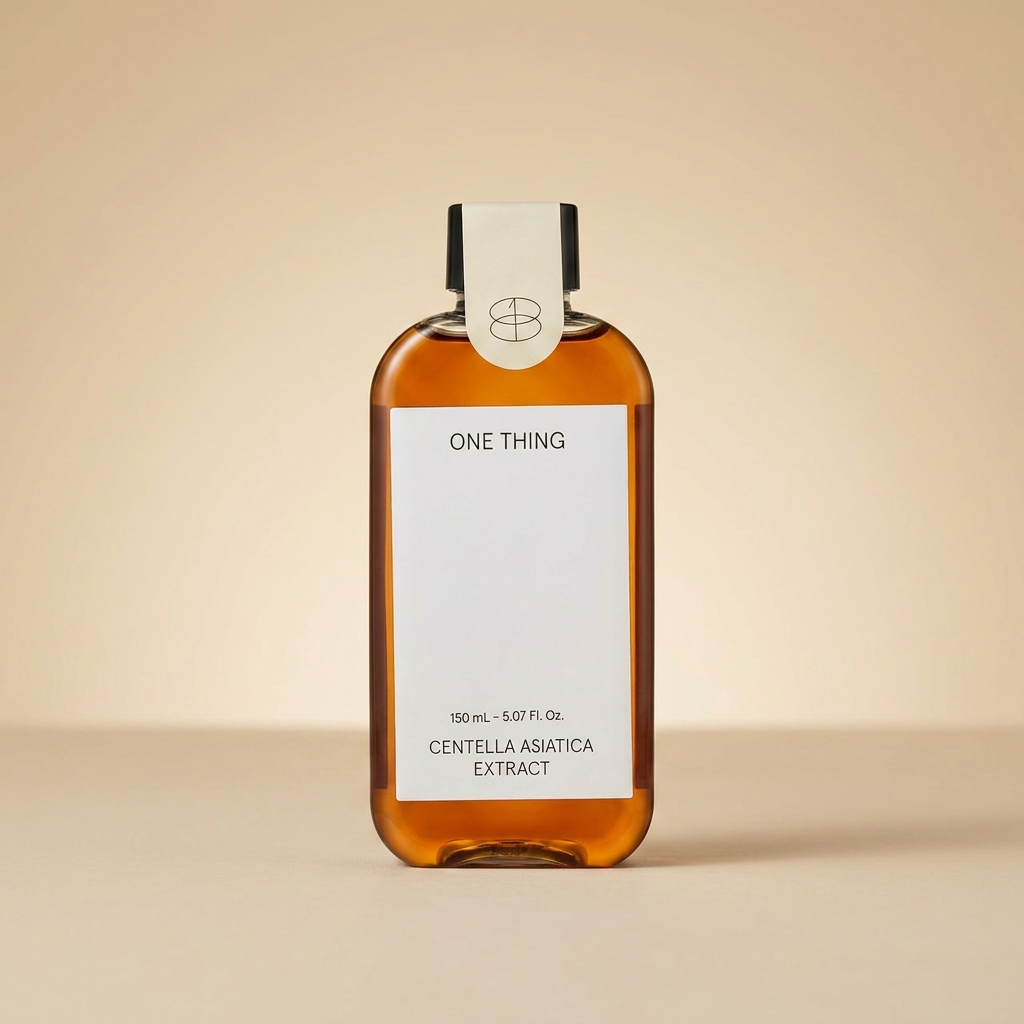
Sodium Hyaluronate, the salt form of Hyaluronic Acid, pulls water into the skin and prevents the transepidermal water loss that acids can cause. Panthenol (Pro-Vitamin B5) and Allantoin sit alongside it as soothing, barrier-supporting anti-irritants. Centella Asiatica extract adds calming and barrier-repair benefits with a strong clinical evidence base for sensitive skin.
Willow Bark (Salix Alba) extract is a natural source of salicin, a precursor of salicylic acid, and layers on top of the synthetic BHAs with additional antioxidant activity.
What to know if you have sensitive skin
This is where our founder verdict softens. The standard 2.0 formula contains Alcohol Denat. as a solvent, plus bergamot, rosemary, eucalyptus, lavender and citrus peel oils. All of those are on the list of the most commonly documented contact allergens in atopic dermatitis and count as declarable fragrance allergens under EU cosmetics law.
I have atopic dermatitis and I still use it, but I patch-tested on my hand first, I avoid the most reactive parts of my face, and I do not use it every night. If your skin is highly reactive, the answer is not to skip pore care altogether. The answer is the Mild version of this pad, which drops the alcohol and swaps in a longer list of soothing botanicals.
First-time acid users should also expect a very mild tingle or slight dryness in the first two weeks. Actual burning or persistent redness is not normal and means the frequency is too high, or the product simply is not right for your barrier at that moment.
How to use it
Apply on dry, freshly cleansed skin, not on damp skin, because diluted acid penetrates less effectively. Sweep the smooth side over the whole face first, then the embossed side over the forehead, nose and chin if you want more mechanical exfoliation.
Do not layer another acid, retinol, or high-strength vitamin C on the same evening. A calming moisturiser on top is enough. In the morning, sunscreen is not optional: AHAs and BHAs increase photosensitivity for up to a week after use.
Recommended cadence. Week 1-2: 2 to 3 times per week in the evening. Week 3-4: nightly if your skin tolerates it. Long-term: nightly or as needed. If you are also using our Anua Heartleaf Toner in the routine, keep the pad as your treatment step and the heartleaf toner as the soothing follow-up.
Which version for which skin
Medicube offers three versions: the original Zero Pore Pad, the 2.0 with more panthenol and refined texture (what we tested here), and the Mild version for sensitive skin.
Standard and 2.0: normal, oily and combination skin without significant sensitivity. 2.0 is the smarter buy of those two because of the higher panthenol content. Mild: the only sensible option for sensitive, atopic or barrier-compromised skin because it removes the alcohol and essential oils.
Do not use any version during an active perioral dermatitis flare, an active eczema flare, on a severely compromised barrier, or if you have a known salicylate allergy. Stabilise the barrier first, then reintroduce exfoliation.
Reader favorites
The products from this guide our readers click most.
Swipe for more →
Frequently asked
Products in this guide
Prices, ratings and short verdicts from our database, linked to the full product page.
Keep reading
- Medicube Zero Pore Pad 2.0 product page
- Medicube brand page
- Salicylic Acid: the K-Beauty pore ingredient
- Lactic Acid: gentle AHA explained
- Centella Asiatica ingredient page
- Anua Heartleaf Toner review
- Medicube vs VT Reedle Shot
- K-Beauty for sensitive skin
- How to layer niacinamide and retinol
- Where to buy Korean skincare
- Build your routine
Tool
Build your routine
Pick skin type, concern and budget. Get a step-by-step routine with real products.
Tool
Check ingredient conflicts
Safe to combine, separate AM/PM, or skip. Clear verdicts for any two ingredients.